
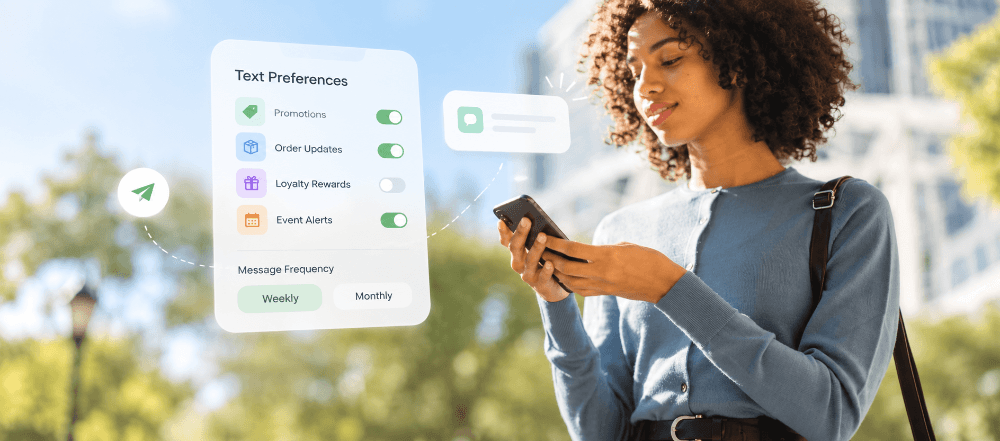
SMS Preference Management: A Smarter Way to Reduce Opt-Outs
SMS marketing works best when customers feel that messages are useful rather than intrusive. However, many brands still treat texting
SMS marketing works best when customers feel that messages are useful rather than intrusive. However, many brands still treat texting

One of the hardest questions in SMS marketing sounds simple: How often should a business send text messages? There is
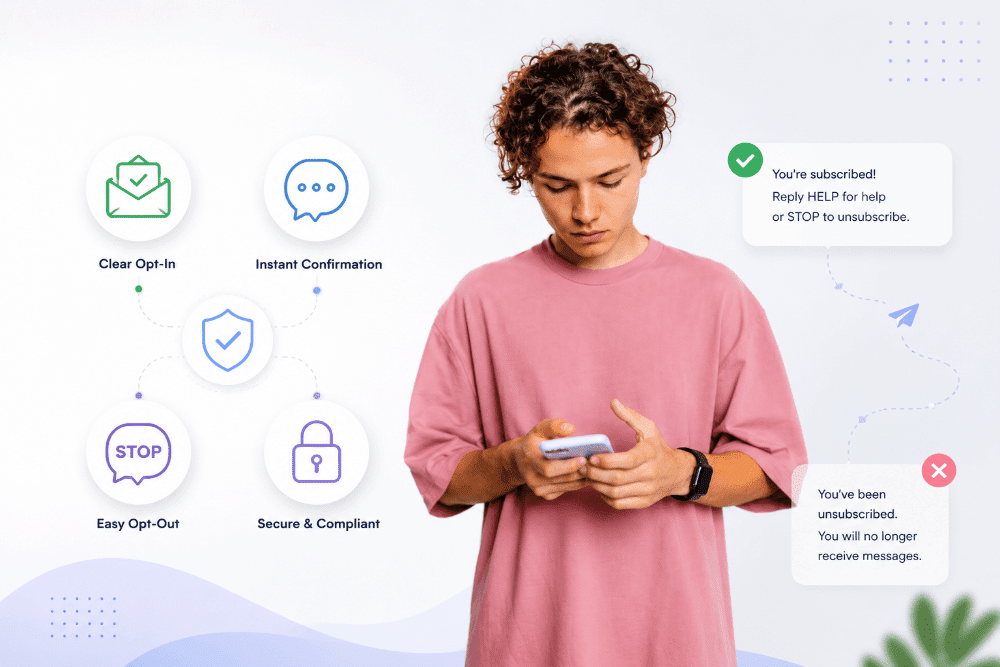
SMS marketing starts with permission. Businesses may have sophisticated automation, AI personalization, and perfectly timed campaigns. However, those tools provide

Many brands want to add SMS to their marketing strategy, but first they need an audience. Unlike email addresses, mobile

RCS has spent years trying to become the modern replacement for SMS. In 2026, that story looks more credible than
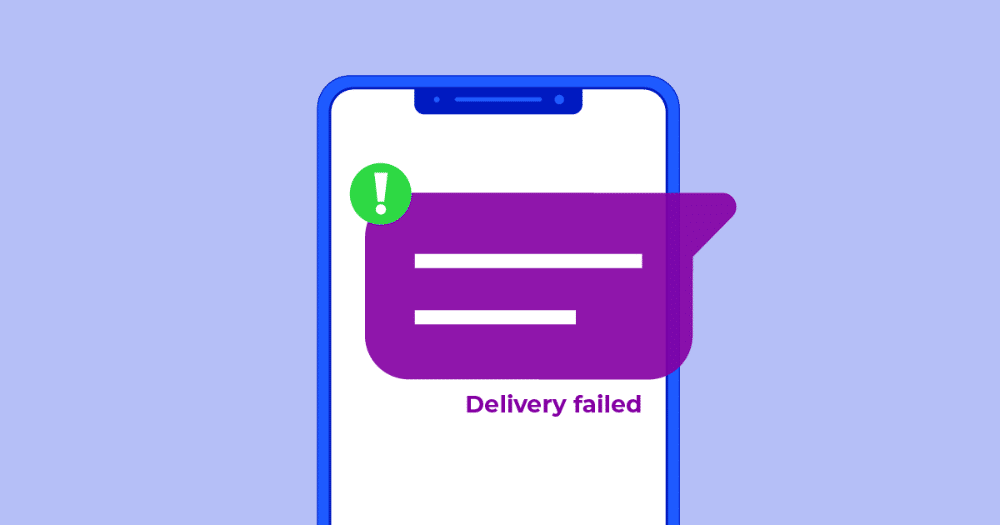
SMS still looks simple from the outside. You write a message, hit send, and expect it to land on a

Business text messaging still gives brands something few channels can match: immediacy. A text arrives quickly, lands on a device

SMS still delivers speed, reach, and strong engagement. However, in 2026, none of those benefits matter if your compliance foundation

SMS marketers face a real challenge in 2026. Customers want relevance, but they do not want brands to sound invasive.
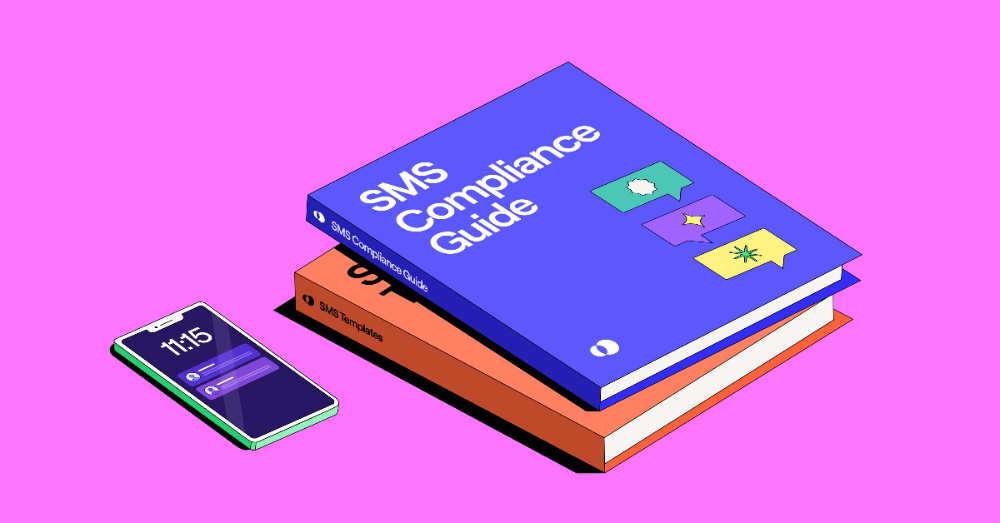
SMS can be your fastest marketing channel, and that’s exactly why compliance matters. A text reaches people immediately, so mistakes

Missed appointments cost clinics money, time, and patient outcomes. Meanwhile, dental practices often lose recurring revenue when patients forget recare
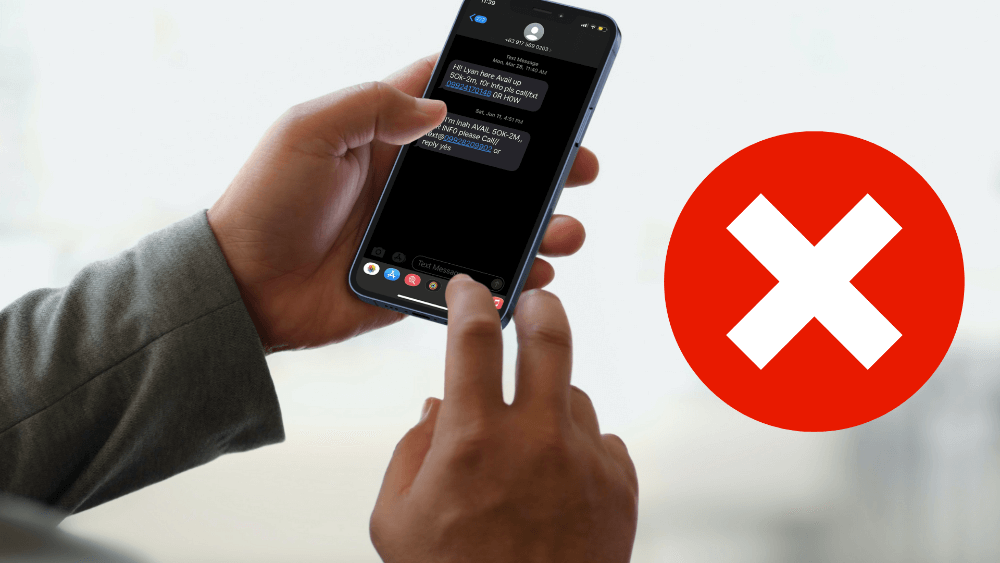
SMS can feel like magic because it reaches people fast. However, that same speed can make your brand feel intrusive