
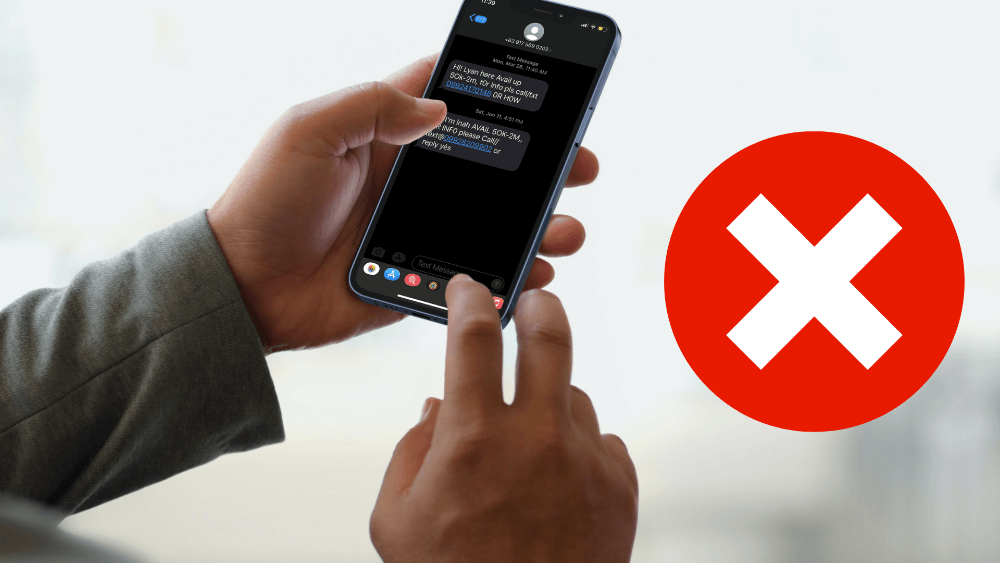
SMS can feel like magic because it reaches people fast. However, that same speed can make your brand feel intrusive if you text too often or without clear permission. Therefore, “not being spammy” isn’t a tone problem—it’s a system problem. You need the right consent, the right cadence, and the right triggers, and you need them working together.
This matters because customers judge you in seconds. If your first few texts feel useful, they stay subscribed. Conversely, if your first few texts feel random or pushy, they opt out and often never come back. Meanwhile, carriers and industry groups also monitor unwanted messaging patterns to ensure spammy behavior does not harm deliverability over time. CTIA’s Messaging Principles and Best Practices explicitly focus on protecting consumers from unwanted messages across the ecosystem.
In this guide, you’ll learn how to build an SMS program that feels respectful and still performs—by getting consent right, choosing smart timing, setting frequency rules, and writing messages that earn clicks without forcing them.
What “Spammy” Actually Means In SMS
People call an SMS “spammy” when it fails one of these expectations:
- They didn’t clearly opt in, or they don’t remember opting in
- The message arrives at an annoying time
- The brand texts too frequently
- The offer feels generic, manipulative, or irrelevant
- Opting out feels difficult or ignored
Therefore, your anti-spam strategy should target those five points. You don’t need gimmicks. Instead, you need clarity, control, and consistency.
Consent Done Right: The Foundation Of Non-Spammy SMS
If consent is weak, everything else becomes fragile. Moreover, weak consent increases complaints and opt-outs, which can also hurt deliverability.
Make Consent Clear, Specific, And Easy To Prove
Your opt-in should clearly communicate:
- Your brand name (so subscribers know who will text them)
- The type of messages (marketing, promos, alerts, or a mix)
- A frequency range (so the cadence doesn’t surprise them)
- “Msg & data rates may apply” (commonly used in US disclosures)
- How to opt out (usually “Reply STOP”)
- Where to find terms and privacy info (when applicable)
Additionally, store proof of consent. At minimum, keep the timestamp, the source (form, keyword, QR, checkout), and the disclosure text shown at opt-in. This isn’t just a legal habit—it’s also an operational habit that helps you troubleshoot quickly.
Treat Opt-Out As A Product Feature
If someone wants out, let them out immediately. When you respect opt-outs, you protect trust and reduce complaints.
Many messaging platforms implement standard opt-out keyword handling. For example, Twilio’s STOP filtering blocks further messages to a recipient after they reply STOP, and it supports opt-in keywords like START/YES/UNSTOP to resume messaging.
CTIA best practices also emphasize consumer protections and responsible behavior, including clear opt-out options.
Avoid “Consent Confusion” That Creates Instant Opt-Outs
Even when you technically have consent, customers can still feel surprised. Therefore, use a welcome message that reminds them what they signed up for and what to expect.
A clean welcome message does three things:
- Confirms the brand and value
- Sets frequency expectations
- Shows an easy opt-out path
As a result, subscribers feel in control, and your program starts with trust instead of friction.
Timing Done Right: Send When It Helps, Not When It Interrupts
Timing is one of the fastest ways to reduce the perception of “spam”. Even a great message feels annoying at the wrong time. Therefore, build timing rules first, then optimize later.
Start With Quiet Hours By Time Zone
Quiet hours prevent the classic mistake: texting at 2 a.m. because your list spans multiple regions. So, set quiet hours by the subscriber’s local time zone, then enforce them across every flow and campaign.
A simple default that works for many brands:
- No marketing texts late at night or early in the morning
- Service texts are allowed only when necessary and appropriate
Because “necessary” varies by business, you should document which message types are considered service and which are considered marketing.
Use Intent-Based Timing, Not A Fixed Calendar
Broadcast calendars often create spammy behavior because they ignore customer intent. Instead, use intent-based timing:
- When intent is high, message sooner
- When intent is low, message later or not at all
For example, cart reminders can arrive within an hour because intent fades quickly. Meanwhile, win-back messages should arrive less frequently because the customer isn’t actively shopping.
Prefer Triggers Over Blasts For A Cleaner Experience
Triggered messages usually feel less spammy because they connect to something the customer just did. Additionally, triggered messages often improve relevance because the customer recognizes the context.
Examples of “feels helpful” triggers:
- Cart saved reminder
- Back-in-stock alert
- Delivery update
- Appointment confirmation
- Replenishment reminder based on typical usage
When you rely on triggers, you can send fewer total messages while still driving more action.
Frequency Done Right: Caps, Suppression, And Preference Controls
Most SMS programs become spammy due to frequency, not copy. Therefore, treat frequency as a control system.
Use A Simple Frequency Cap
Set a maximum number of marketing messages per week or per month for each subscriber. Then, enforce it across every campaign and flow. Otherwise, one team will “borrow” sends from another team, and customers will feel bombarded.
A practical approach:
- New subscribers: lower initial frequency until they engage
- Engaged subscribers: normal cadence
- Non-clickers: reduced cadence, plus preference prompts
Consequently, your list stays healthier, and your opt-out rate stays lower.
Add Flow Suppression Rules To Prevent Pile-Ups
Flow collisions feel spammy because customers receive multiple messages in a short window. So, build suppression rules such as:
- “No more than one marketing message per X hours”
- “Suppress promos for X days after purchase.”
- “Pause marketing during an open support case.”
Additionally, suppress cart reminders immediately after purchase. That one rule alone reduces frustration and complaints.
Let Subscribers Choose What They Want
Preference controls reduce spam perception because subscribers control the experience. Instead of guessing, ask a simple question:
“Reply 1 for Deals, 2 for New Drops, 3 for Restocks.”
When subscribers choose, you can segment future sends and reduce irrelevant messages. As a result, CTR often improves while opt-outs drop.
Message Design Done Right: How To Sound Helpful, Not Pushy
Even with perfect timing and frequency, sloppy copy can still feel spammy. So, write texts that earn attention.
Keep One Message, One Purpose
A spammy text tries to do three jobs at once. A good text does one job clearly.
A clean structure works well:
- Context: why now
- Value: what they gain
- CTA: one clear next step
Additionally, keep one link per message. Multiple links increase decision friction, and friction lowers clicks.
Use “Comfortable Personalization”
Personalization helps when it matches what customers expect you to know. For example, “Your cart is saved” feels normal. However, overly specific tracking details feel creepy. Therefore, personalize around a clear, reasonable context: cart, back-in-stock, loyalty reward, or last purchase category.
Replace Fake Urgency With Real Utility
Fake urgency trains customers to ignore you. Meanwhile, real utility builds trust.
Instead of:
“LAST CHANCE!!!”
Try:
“Your cart is saved—finish checkout in one tap: [link].”
Or:
“Need sizing help? Reply SIZE, and we’ll help fast.”
When your texts solve problems, customers treat them as helpful rather than spammy.
Compliance Signals That Also Reduce “Spam” Complaints
Compliance isn’t only a legal requirement. It also shapes customer perception.
Use Standard HELP And STOP Behaviors
Customers expect STOP to work everywhere. Therefore, follow standard keyword patterns and respond consistently.
Twilio’s guidance explains how STOP creates a block that prevents future messages until the user opts back in via START/YES/UNSTOP, depending on the setup.
When you implement this correctly, you reduce frustration and protect trust.
Follow Industry Best Practices For Responsible Messaging
CTIA’s best practices exist to protect consumers from unwanted messaging traffic and to support responsible messaging behavior across the ecosystem.
So, even if you focus on growth, you should still adopt the behaviors that reduce unwanted messages:
- clear opt-in
- transparent cadence expectations
- easy opt-out
- respectful frequency
A Practical “Not Spammy” SMS System You Can Implement This Week
You don’t need to redesign everything. Instead, tighten your system in this order:
Step 1: Fix Your Welcome Experience
Send a welcome text that sets expectations and reinforces control:
- brand name
- value
- frequency range
- “Reply STOP to opt out”
This one change reduces early opt-outs by removing surprise.
Step 2: Turn Down Broadcast Volume, Turn Up Trigger Relevance
Replace one generic weekly blast with one or two trigger-based flows:
- cart reminder
- back-in-stock
- delivery check-in
- replenishment
Because triggers match customer behavior, they feel less spammy and often perform better.
Step 3: Add a Two Guardrails
- global frequency cap
- flow collision rule
These guardrails stop the “pile-on effect” that causes opt-outs.
Step 4: Add Preferences
Ask one preference question in the first week. Then segment future sends based on the reply.
As a result, relevance rises, and spam perception falls.
Benchmarks That Help You Sanity-Check “Spamminess”
You can’t measure “spammy” directly, but you can measure signals that correlate strongly:
- Opt-out rate per campaign and per week
- Complaint indicators (if your provider reports them)
- CTR decay over the last 10 sends
- Net list growth (new opt-ins minus opt-outs)
Also, keep expectations realistic about visibility. Many industry summaries report very high SMS open/read rates and fast read times, which is why customers notice timing mistakes immediately.
Therefore, the best “benchmark” is stability: stable CTR, stable opt-out rate, and steady net growth.

Final Thoughts
SMS stops feeling spammy when you treat it like a permission-based service channel, not a promo cannon. Therefore, collect clear consent, confirm expectations early, and make opt-out effortless.
Then, use intent-based timing, frequency caps, and suppression rules so customers never feel chased. Finally, write messages that remove friction and offer real help, because utility builds trust faster than hype ever will.