

SMS marketers face a real challenge in 2026. Customers want relevance, but they do not want brands to sound invasive. They expect messages that match their interests, timing, and preferences. However, they quickly pull back when personalization feels too aggressive, too mysterious, or too precise. That tension explains why zero-party data has become such an important topic in modern SMS marketing.
Zero-party data gives marketers a cleaner and more trustworthy path to personalization. Instead of relying only on inferred behavior, brands collect information that customers intentionally and proactively share. That may include product preferences, communication frequency, budget range, shopping goals, location preferences, or other details a customer chooses to provide. Because the customer shares that information directly, the brand does not have to guess as much. As a result, segmentation becomes smarter, and personalization feels more helpful.
That distinction matters even more in SMS than it does in many other channels. Texting feels personal by nature. It lands in the same inbox customers use for family, friends, and everyday life. Therefore, irrelevant messages quickly become annoying, while overly personalized messages can feel even worse. A poorly targeted email may get ignored. By contrast, a poorly targeted text can feel intrusive. So, brands need a better framework for relevance, and zero-party data offers one of the strongest available options.
What Zero-Party Data Actually Means
Zero-party data is information that a customer intentionally provides to a brand. Unlike third-party data, it does not come from external brokers or opaque collection systems. Likewise, unlike some first-party behavioral data, it does not rely only on observation. Instead, it comes directly from the customer through choices, answers, preferences, or declared intentions.
For example, a customer might tell a retailer they prefer women’s apparel, neutral colors, and sales under $75. A fitness brand subscriber might say they want workout reminders rather than nutrition offers. Meanwhile, a service-business customer might prefer weekend appointments to weekday slots. In each case, the brand gains useful data, but it gains it through transparency rather than inference.
That is what makes zero-party data so valuable. It gives brands a way to personalize without making the customer wonder, “How did they know that?” When people understand why a message feels relevant, they are usually more comfortable with it. Therefore, zero-party data helps solve not only a targeting problem, but also a trust problem.
Why SMS Is The Perfect Channel For Zero-Party Data
SMS works especially well with zero-party data because the channel supports quick, direct interaction. Customers do not need to fill out long forms or navigate deep preference centers to share something useful. Instead, a brand can ask one smart question and get a clear answer in seconds.
That speed changes the relationship between data collection and personalization. Rather than making preference collection feel like a chore, brands can make it feel like part of the customer experience. A subscriber can respond to a short prompt, and the brand can immediately use that response to improve future messages. Consequently, the customer sees a real benefit from sharing their preferences.
Consider how naturally this can work in practice. A retailer can ask:
- Reply 1 for women’s
- Reply 2 for men’s
- Reply 3 for kids.’
A beauty brand can ask what the customer wants most:
- Acne support
- Hydration tips
- Anti-aging offers
A local service company can ask:
- Prefer weekday appointments?
- Prefer weekend reminders?
These exchanges feel simple because they are simple. Moreover, they create segmentation data that the customer knowingly provided. That is exactly why the process feels less creepy and more collaborative.
Why Inferred Personalization Often Misses The Mark
Many marketers still depend heavily on observed behavior. That data remains useful, but it has limits. A product view does not always equal intent. A click does not always signal preference. A customer might browse something for a friend, casually compare prices, or explore a category they never plan to buy from.
If marketers rely too heavily on these signals, they can create SMS segments that sound overly certain but are actually wrong. That is where personalization starts to feel awkward. The brand sounds like it knows the customer, yet the message misses the real context. As a result, the text does not feel relevant. It feels presumptuous.
Zero-party data helps reduce that mismatch. Because the customer states the preference, marketers do not need to over-interpret every behavioral clue. Instead, they can use a more stable foundation for segmentation. Then, they can use behavioral data as a secondary signal rather than as the whole strategy.
Smarter Segmentation Starts With Better Questions
The power of zero-party data depends on how brands collect it. If the questions are vague, excessive, or poorly timed, the strategy weakens quickly. Therefore, good segmentation starts with good questions.
The best questions are specific, useful, and easy to answer. They should also directly improve the relevance of future SMS campaigns. If a question will not change how the brand communicates, it probably does not belong in the flow.
Here are some of the most effective zero-party data categories for SMS segmentation:
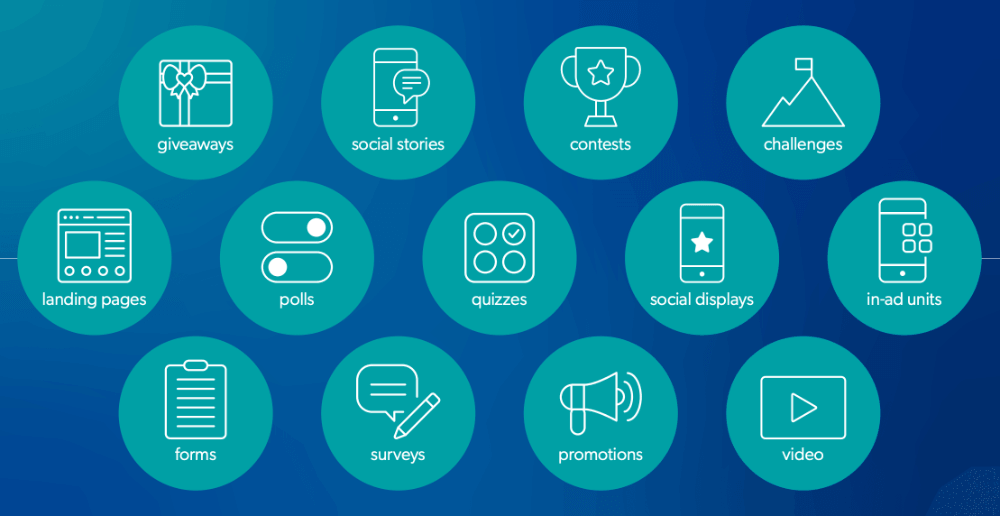
- Product or service interests
- Communication frequency preferences
- Budget range or price sensitivity
- Shopping goals or purchase intent
- Timing preferences
- Preferred locations or appointment windows
- Content preferences such as tips, promos, or alerts
Just as importantly, brands should not ask everything at once. A long series of questions right after opt-in can feel exhausting. Instead, marketers should collect data gradually across the customer lifecycle. A welcome flow can ask one preference question. A post-purchase flow can ask another. A seasonal campaign can ask what matters most right now. Because the questions arrive in context, they feel more natural and more useful.
The Difference Between Helpful And Creepy
Customers usually welcome personalization when it makes life easier. They resist it when it feels invasive, excessive, or unclear. That line matters more than many marketers realize.
Helpful personalization feels logical. If a customer asked for restock alerts, then a restock text makes sense. If they selected weekend reminders, then a Saturday prompt feels useful. If they said they only want sales updates, then promotional texts feel aligned with what they asked for.
Creepy personalization feels different. It often relies on signals that the customer never clearly shared. It may sound too certain, too specific, or too constant. Even if the logic behind it exists somewhere in the data stack, the customer does not see the path. Therefore, the experience feels unsettling rather than relevant.
A simple rule helps here: if a customer can easily understand why they received a message, the personalization is more likely to feel appropriate. If they cannot, the brand should rethink the segmentation logic.
Zero-Party Data Improves More Than Personalization
Zero-party data does more than make texts feel more relevant. It also improves segmentation strategy across the funnel.
For example, brands can use zero-party data to:
- Send fewer low-value messages
- Reduce opt-outs caused by irrelevant campaigns
- Improve click-through and conversion quality
- Match offers to actual customer intent
- Build better automation flows
- Strengthen trust over time
That means zero-party data not only improves message relevance. It also improves operational efficiency. Marketers stop wasting sends on poorly matched audiences. Meanwhile, customers receive messages that better reflect what they actually want.
Zero-Party Data And SMS Segmentation: A Practical Comparison
| Approach | How It Works | Main Strength | Main Risk |
|---|---|---|---|
| Behavioral Segmentation | Uses clicks, views, purchases, and browsing signals | Fast and scalable | Can misread intent |
| Demographic Segmentation | Groups by age, location, gender, or similar attributes | Broad campaign planning | Often too generic |
| Zero-Party Segmentation | Uses preferences customers intentionally share | High clarity and trust | Requires thoughtful collection |
| Hybrid Segmentation | Combines stated preferences with real behavior | Best balance of relevance and context | Needs strong data discipline |
This comparison highlights an important point. Zero-party data works best when brands do not treat it as a replacement for all other data. Instead, it should guide personalization in a way customers understand, while behavioral signals refine timing and context.
How To Collect Zero-Party Data Without Hurting The Experience
Brands often make this process harder than it needs to be. In reality, the best zero-party data collection feels simple and respectful.
Here are the core principles that work best:
- Explain the value clearly. Tell customers why you are asking and what they get in return.
- Ask one thing at a time. Keep each interaction focused and low-friction.
- Use natural moments. Collect preferences during onboarding, after purchase, or during seasonal shifts.
- Make replies easy. Use number-based responses, short keywords, or simple tap options.
- Respect restraint. Do not ask for sensitive or unnecessary details.
- Allow updates later. Let subscribers change preferences without friction.
For example, a message like this works well:
“Want fewer, more relevant texts? Reply with what you want most: 1 for new arrivals, 2 for sales, 3 for restocks.”
This kind of prompt makes the value exchange obvious. The customer understands the purpose, and the brand gets useful segmentation input without overcomplicating the flow.
What Brands Should Segment By First
Not every preference deserves its own campaign path. Therefore, marketers should prioritize the inputs that most directly change message usefulness.
The strongest starting points usually include:
- Product category interest
- Content type preference
- Frequency preference
- Budget sensitivity
- Purchase timing
- Customer lifecycle stage
These factors often produce the clearest lift in message relevance. For instance, a shopper who only wants restock alerts should not receive the same texts as someone who wants weekly new-arrival updates. Likewise, a price-sensitive subscriber should not receive the same offer framing as a premium buyer who values exclusivity over discounts.
However, brands should avoid collecting highly sensitive information unless they truly need it and can clearly justify it. Smarter segmentation comes from better-fit data, not simply more data.
The Best Strategy Combines Zero-Party And First-Party Data
Zero-party data is powerful, but it works best as part of a broader strategy. The strongest SMS programs combine what customers say with what they do.
For example, a customer may state they want men’s outerwear alerts. That gives the brand a clear direction. If their purchase history also shows repeated interest in premium jackets, the brand can further refine the timing, offer level, and product recommendations. In that case, zero-party data provides the permission and clarity, while first-party behavior adds context.
That balance matters. If marketers rely only on observed behavior, they risk sounding intrusive or inaccurate. If they rely only on stated preferences, they may miss changing intent. Therefore, the smartest path usually blends both sources while keeping the customer’s stated preferences at the center.
Common Mistakes To Avoid
Even a strong zero-party data strategy can go wrong if brands misuse it. Some of the most common mistakes include:
- Asking too many questions too early
- Collecting data that will never be used
- Repeating the same questions too often
- Over-personalizing every message
- Ignoring updates to customer preferences
- Using stated preferences to justify over-messaging
These mistakes usually stem from the same problem: marketers see zero-party data as a chance to gather more information rather than to communicate better. However, the purpose of zero-party data is not volume. The purpose is clarity.
What Is Zero-Party Data In SMS Marketing?
Zero-party data in SMS marketing is information a subscriber intentionally shares, such as preferences, interests, timing choices, or communication goals. Brands then use that information to send more relevant text messages.
Why Does Zero-Party Data Feel Less Creepy?
It feels less creepy because the customer knowingly provided the information. Therefore, the personalization has a visible and understandable source.
Is Zero-Party Data Better Than Behavioral Data?
It is not always better on its own, but it is often clearer. Behavioral data can still be useful. However, zero-party data gives marketers stronger intent signals and a more transparent basis for personalization.
How Should Brands Start Using Zero-Party Data In SMS?
Start small. Ask one useful question during onboarding or after purchase. Then use that answer to improve future segmentation and message relevance.
Final Thoughts
Zero-party data gives SMS marketers a smarter way to personalize without crossing the line into creepiness. Because customers intentionally share the information, brands can build segments that feel more accurate, more respectful, and easier to trust. That makes a major difference in a channel as personal as text messaging.
In 2026, the brands that win with SMS will not be the ones that collect the most data. Instead, they will be the ones who collect the right data, ask for it clearly, and turn it into messages that feel genuinely useful. That is what makes zero-party data so valuable. It helps brands personalize with more confidence while giving customers more control. And in modern SMS marketing, that balance matters more than ever.