
📑Table of Contents:
- Why SMS Works So Well In Travel And Hospitality
- Using SMS To Support The Booking Process
- Reducing Booking Abandonment With SMS
- Sending Pre-Arrival Information Via SMS
- Using SMS To Simplify Check-ICheckoutck-Out
- Enhancing The In-Stay Experience With SMS
- Supporting Guest Requests Through Two-Way SMS
- Using SMS For Upsells And Add-Ons
- Handling Travel Disruptions With SMS
- Using SMS To Promote Loyalty Programs
- Post-Stay Follow-Ups And Feedback Collection
- Encouraging Repeat Bookings Through SMS
- Integrating SMS With Email And Apps
- Timing And Frequency For Travel SMS
- Compliance And Consent In Hospitality SMS
- Measuring SMS Success In Travel And Hospitality
- Avoiding Common Hospitality SMS Mistakes
- Final Thoughts
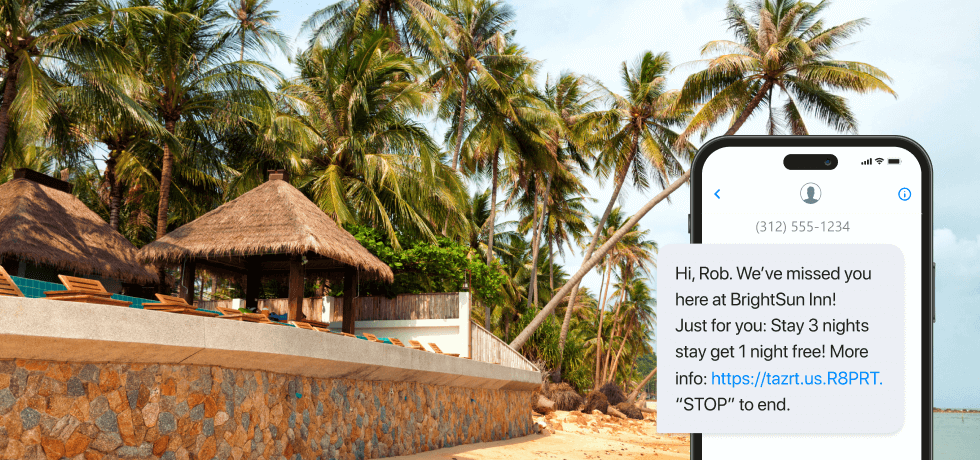
Travel is personal. Guests invest time, money, and emotion into every trip. Because of this, communication plays a huge role in how they perceive a hotel or travel brand. When messages feel slow, unclear, or impersonal, trust drops quickly. However, when communication feels timely and helpful, the experience improves before the guest even arrives.
SMS has become one of the most effective tools for hospitality brands because it aligns perfectly with how travelers move and think. Guests check their phones constantly. They rely on mobile updates. And they expect fast answers while on the go. Therefore, SMS fits naturally into the travel journey.
This guide explores how hotels and travel brands use SMS to support bookings, reduce friction, and create better guest engagement from pre-booking through post-stay follow-up.
Why SMS Works So Well In Travel And Hospitality
Travel involves constant motion. Guests move between airports, trains, taxis, and hotels. Because of this, long emails often go unread. App notifications get missed. Phone calls feel inconvenient.
SMS solves these issues by delivering short, clear messages directly to the guest’s phone. Most travelers read texts within minutes. As a result, important updates reach guests when they matter most.
Additionally, SMS feels personal without being intrusive. Guests already expect texts for confirmations and alerts. Therefore, engagement remains high when brands use SMS thoughtfully.
Using SMS To Support The Booking Process
The booking journey often includes hesitation. Guests compare prices. They check availability. They pause before confirming. SMS can help reduce that friction.
For example, when a guest starts a booking but does not finish, an SMS reminder can bring them back. A message like “Your room is still available tonight” creates reassurance and urgency without pressure.
Additionally, SMS can confirm booking details instantly. Confirmation texts reduce anxiety and build confidence right after purchase.
Because booking moments carry high intent, SMS performs exceptionally well at this stage.
Reducing Booking Abandonment With SMS
Booking abandonment affects hotels and travel brands just like cart abandonment affects e-commerce. Guests often leave mid-process due to distractions or uncertainty.
SMS reminders reconnect with guests quickly. A short message with a direct link simplifies the return path. Therefore, recovery rates often improve.
However, timing matters. Messages sent too quickly feel pushy. Messages sent too late lose relevance. Many brands find success sending reminders within a few hours of abandonment.
When SMS reminders feel helpful rather than aggressive, guests respond positively.
Sending Pre-Arrival Information Via SMS
Once a booking is complete, anticipation begins. Guests want clarity. They want reassurance. They want to know what comes next.
SMS works well for pre-arrival communication. Hotels can send check-in details, directions, parking instructions, or arrival reminders. These messages reduce confusion and set expectations early.
For example, a text sent one day before arrival with check-in time and location feels timely and useful. Because of this clarity, guests arrive more relaxed.
Using SMS To Simplify Check-ICheckoutck-Out
Check-in delays frustrate travelers. Long lines and unclear instructions set a poor tone. SMS can help streamline this process.
Hotels can send check-in links, room readiness notifications, or digital key instructions via text. This reduces front desk congestion and improves efficiency.
Similarly, checkout-out reminders help guests plan departures smoothly. A short message, checkout time, and billing details prevent last-minute confusion.
By using SMS to guide arrivals and departures, hotels improve both operations and guest satisfaction.
Enhancing The In-Stay Experience With SMS
The guest experience does not stop at check-in. In fact, the stay itself offers many opportunities for engagement.
SMS allows hotels to communicate without interrupting the guest’s experience. Guests can receive updates about amenities, events, or services at the right moment.
For example, a spa promotion sent mid-morning reaches guests while they plan the day. A dinner reminder sent late afternoon aligns with decision timing.
Because messages stay contextual, they feel helpful rather than promotional.
Supporting Guest Requests Through Two-Way SMS

Modern guests expect convenience. Calling the front desk often feels outdated. SMS provides a faster alternative.
Two-way texting allows guests to request towels, ask questions, or confirm services without picking up the phone. This convenience improves satisfaction and reduces staff workload.
Additionally, SMS conversations create a record of requests. Staff can respond more accurately and follow up efficiently.
When guests feel heard quickly, their perception of service improves dramatically.
Using SMS For Upsells And Add-Ons
Upselling works best when it feels relevant. SMS helps deliver offers at the right moment.
For example, a room upgrade offer sent shortly before arrival may convert better than one sent weeks earlier. A check-out offer sent the night before departure feels timely.
However, restraint matters. Guests should never feel pressured. Offers should remain optional and clearly beneficial.
When upsells align with guest needs, revenue increases without harming the experience.
Handling Travel Disruptions With SMS
Travel disruptions happen—flight delays. Rooms change. Weather intervenes. Communication during these moments shapes trust.
SMS enables hotels and travel brands to update guests quickly. A clear message explaining a delay or change reduces frustration.
Because texts arrive immediately, guests feel informed rather than ignored. This transparency protects brand reputation during stressful situations.
When handled well, proactive SMS communication can even strengthen loyalty.
Using SMS To Promote Loyalty Programs
Loyalty programs thrive on awareness. Guests need reminders about points, perks, and rewards.
SMS works well for loyalty updates because messages arrive instantly and feel personal. A text like “You’re close to your next reward” encourages future bookings.
Additionally, SMS can deliver exclusive offers to loyalty members. These messages reinforce the value of staying connected.
However, loyalty messaging should remain targeted. Overuse reduces impact.
Post-Stay Follow-Ups And Feedback Collection
The guest relationship should not check out. Follow-up communication strengthens long-term engagement.
SMS thank-you messages leave a positive final impression. They show appreciation and professionalism.
Feedback requests also perform well via SMS. Short survey links or rating prompts increase response rates compared to email.
Because feedback arrives quickly, hotels can address issues promptly and improve future stays.
Encouraging Repeat Bookings Through SMS
Repeat bookings drive profitability. SMS supports retention by staying present without overwhelming guests.
A well-timed reminder for seasonal travel, anniversaries, or special offers feels personal. Because the guest already trusts the brand, engagement remains strong.
However, relevance remains critical. Messages should reflect past stays or preferences when possible.
When SMS feels personalized, guests are more likely to return.
Integrating SMS With Email And Apps
SMS works best as part of a broader communication strategy. It should not replace email or apps entirely.
Email handles detailed itineraries and long content. Apps support self-service and loyalty features. SMS provides alerts, reminders, and calls to action.
For example, an email can confirm a booking in detail. SMS can remind guests about check-in time. Together, they create a seamless experience.
Integration ensures consistency without duplication.
Timing And Frequency For Travel SMS
Timing matters deeply in travel. Messages sent too early feel irrelevant. Messages sent too late feel useless.
Pre-arrival messages work best one to three days before arrival. In-stay messages should align with daily rhythms. Post-stay messages should arrive within a day or two after departure.
Frequency should remain moderate. Guests expect operational messages. They tolerate limited promotional messages when relevant.
By respecting timing and frequency, brands maintain trust.
Compliance And Consent In Hospitality SMS
Consent remains essential. Guests must agree to receive texts.
Opt-in should feel clear and purposeful. Guests should know they will receive booking-related updates and optional offers.
Opt-out options must remain easy. Respecting preferences protects trust and compliance.
Measuring SMS Success In Travel And Hospitality
Performance metrics reveal impact. Booking recovery rates, response times, satisfaction scores, and repeat bookings all matter.
Monitoring these metrics helps refine timing, copy, and segmentation.
Because hospitality depends on experience, qualitative feedback also plays a role.
Avoiding Common Hospitality SMS Mistakes
Some brands over-message guests during stays. Others send irrelevant promotions. Some fail to respond quickly to two-way messages.
These mistakes erode trust fast. Because SMS feels personal, guests react strongly.
Avoiding these errors requires discipline, planning, and regular review.

Final Thoughts
SMS has become a core communication tool for hotels and travel brands because it aligns with how guests travel and think. It supports bookings, improves stays, and strengthens relationships.
When used thoughtfully, SMS reduces friction at every stage of the journey. It keeps guests informed. It makes service feel accessible. And it builds loyalty through a long checkout.
Hotels and travel brands that focus on timing, relevance, and respect turn SMS into a competitive advantage. Over time, that advantage leads to smoother operations, happier guests, and stronger revenue.