
📑Table of Contents:
- Why SMS Works So Well for Non-Profits
- Building Trust Before Asking for Action
- Using SMS for Fundraising Campaigns
- Driving Donations with Clear Calls to Action
- Using SMS for Peer-to-Peer Fundraising
- Supporting Recurring Giving Through SMS
- Mobilizing Volunteers with SMS
- Improving Volunteer Attendance with Reminders
- Using Two-Way SMS for Volunteer Communication
- Keeping Supporters Engaged Between Campaigns
- Using SMS for Event Promotion and Attendance
- Post-Event Follow-Ups and Gratitude
- Segmenting SMS Lists for Relevance
- Timing and Frequency for Non-Profit SMS
- Compliance and Ethical Considerations
- Measuring SMS Success in Non-Profit Campaigns
- Avoiding Common Non-Profit SMS Mistakes
- Final Thoughts
Non-profits operate in a world of limited attention and limited resources. Every message must earn its place. Every campaign must inspire action. Because of this reality, communication channels that feel slow or crowded often fall short.
SMS offers a powerful alternative. Text messages arrive quickly. They feel personal. And they prompt action without friction. When used with care, SMS helps non-profits raise funds, mobilize volunteers, and strengthen long-term relationships with supporters.
This guide explores how non-profits can use SMS for fundraising and volunteer engagement. More importantly, it shows how to do so ethically, respectfully, and effectively.
Why SMS Works So Well for Non-Profits
Non-profit supporters often feel emotionally connected to the cause. However, even strong supporters face distractions and busy schedules. Therefore, messages must cut through noise without overwhelming people.
SMS succeeds because it meets supporters where they already pay attention. Most people read texts within minutes. As a result, important updates and calls to action reach supporters at the right moment.
Additionally, SMS feels more human than many digital channels. A short, sincere message often feels like a direct conversation rather than a broadcast. This tone matters deeply in mission-driven work.
Building Trust Before Asking for Action
Trust sits at the center of every successful non-profit campaign. Without trust, even the most compelling cause struggles to mobilize support.
SMS helps build trust when messages stay transparent and purposeful. Supporters should always know why they receive a text and what the organization expects next.
For example, welcome messages can explain how often texts will arrive and what they will include. This clarity sets expectations early and reduces opt-outs later.
Because SMS feels personal, honesty and consistency matter even more.
Using SMS for Fundraising Campaigns
Fundraising depends on timing and emotion. SMS supports both.
Text messages allow non-profits to reach supporters during moments of urgency, such as matching gift deadlines or disaster relief efforts. Because messages arrive instantly, they preserve momentum when every minute counts.
However, fundraising texts should feel sincere rather than transactional. Supporters respond better when messages clearly and concisely explain impact.
For example, “Your gift today helps provide meals for families affected by the storm” connects action to outcome. This connection motivates giving more than generic appeals.
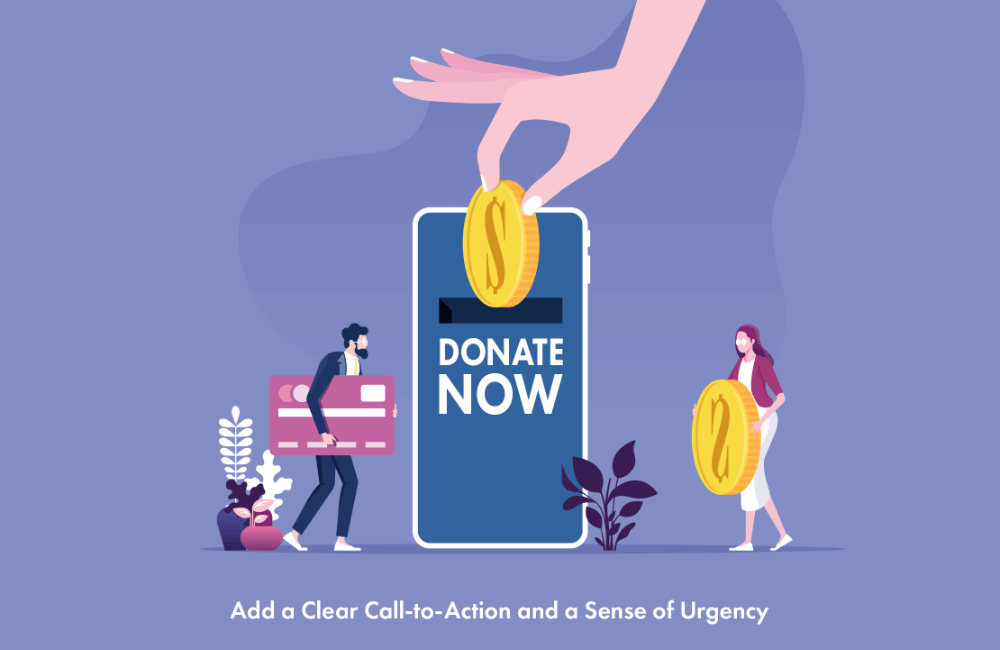
Driving Donations with Clear Calls to Action
SMS fundraising works best when the donation path stays simple. One clear link. One clear message. One clear purpose.
Long explanations do not belong in texts. Instead, SMS should guide supporters to a landing page that provides full context.
Additionally, urgency should remain honest. Deadlines, matching periods, or limited-time needs can motivate action. However, exaggerated pressure damages credibility.
When urgency aligns with reality, supporters respond willingly.
Using SMS for Peer-to-Peer Fundraising
Peer-to-peer fundraising thrives on social connection. SMS strengthens that connection by making outreach easier.
Volunteers and supporters can use SMS to share campaign links with their networks. Because texts feel personal, response rates often exceed those of email or social posts.
Non-profits can also use SMS to encourage fundraisers during campaigns. Short motivational messages keep energy high and participation strong.
By supporting peer fundraisers through SMS, organizations extend reach without increasing costs.
Supporting Recurring Giving Through SMS
Recurring donors form the backbone of sustainable fundraising. SMS plays a valuable role in nurturing these relationships.
Text messages can thank recurring donors, confirm contributions, and share impact updates. These messages reinforce appreciation and transparency.
Additionally, SMS can invite one-time donors to become recurring supporters. A simple message explaining the value of monthly giving often sparks interest.
However, these invitations should remain occasional and respectful. Overuse reduces effectiveness.
Mobilizing Volunteers with SMS
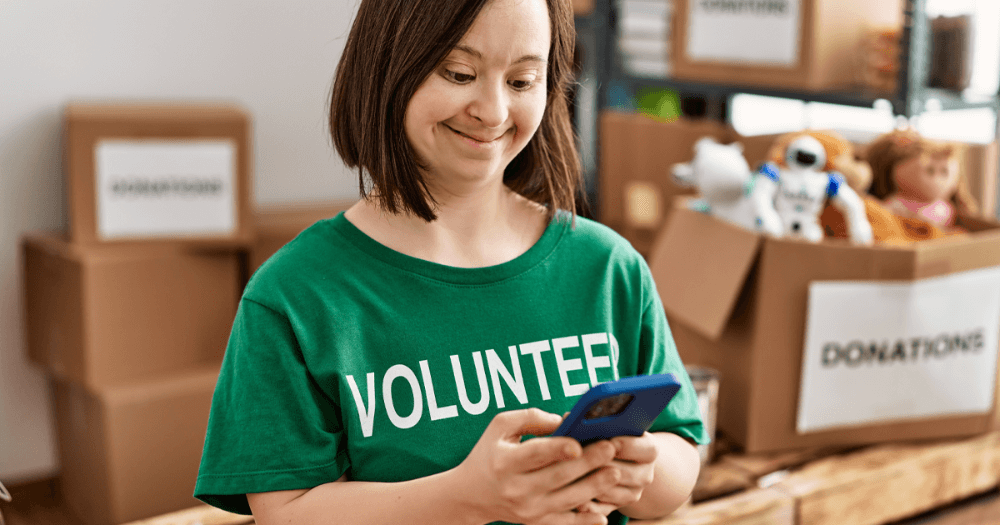
Volunteer engagement depends on speed and clarity. Emails often sit unread. Phone calls take time. SMS solves both problems.
Non-profits can use SMS to share volunteer opportunities, shift reminders, and urgent needs. Because messages arrive quickly, volunteers can respond in real time.
For example, a text like “We need five volunteers this Saturday. Reply YES to help” creates immediate action.
This simplicity makes SMS ideal for volunteer coordination.
Improving Volunteer Attendance with Reminders
Missed shifts hurt non-profit operations. SMS reminders reduce no-shows by keeping commitments top of mind.
A reminder sent one or two days before an event gives volunteers time to plan. A same-day reminder reinforces attendance.
Messages should stay supportive, not demanding. Thanking volunteers for their time builds goodwill and reliability.
When volunteers feel respected, engagement improves.
Using Two-Way SMS for Volunteer Communication
Two-way SMS creates flexibility. Volunteers can ask questions, confirm availability, or request changes quickly.
This conversational approach reduces confusion and frustration. It also saves staff time by streamlining communication.
Additionally, two-way texting helps organizations respond faster to changing needs. Volunteers feel informed and included.
Because responsiveness builds trust, two-way SMS strengthens volunteer relationships.
Keeping Supporters Engaged Between Campaigns
Non-profits often focus their communication around major campaigns. However, engagement between campaigns matters just as much.
SMS can share impact updates, success stories, or quick thank-you messages. These messages remind supporters why their involvement matters.
For example, a text like “Because of you, 300 families received support this month” reinforces connection without asking for anything in return.
This balance prevents fatigue and builds long-term loyalty.
Using SMS for Event Promotion and Attendance
Events play a key role in non-profit outreach. SMS helps boost attendance and engagement.
Text messages can announce events, send reminders, and provide last-minute updates. Because texts arrive instantly, they reduce confusion and increase turnout.
During events, SMS can also share schedules, directions, or calls to action. This real-time support improves the attendee experience.
Post-Event Follow-Ups and Gratitude
Follow-ups matter deeply in non-profit work. They close the loop and reinforce appreciation.
SMS thank-you messages feel personal and timely. They show supporters that their time and contributions matter.
Follow-ups can also share event outcomes or next steps. These messages maintain momentum and connection.
Because gratitude strengthens relationships, follow-up SMS messages are critical.
Segmenting SMS Lists for Relevance
Not all supporters engage in the same way. Donors, volunteers, and advocates have different needs.
Segmenting SMS lists improves relevance and reduces fatigue. Donors may receive fundraising updates. Volunteers may receive scheduling messages. Advocates may receive awareness alerts.
By tailoring messages to intent, organizations respect supporters’ preferences and improve response rates.
Timing and Frequency for Non-Profit SMS
Timing affects perception. Messages sent too often feel overwhelming. Messages sent at the wrong time feel intrusive.
Most non-profits perform best with low-frequency, high-impact SMS campaigns. Supporters value purpose-driven communication, not constant outreach.
Setting expectations at opt-in helps manage frequency. When organizations honor those expectations, trust remains strong.
Compliance and Ethical Considerations
Consent remains essential. Supporters must opt in clearly to receive texts.
Opt-in language should explain what messages will include. Opt-out options must remain simple and immediate.
Beyond legal compliance, ethical responsibility matters. Non-profits should always respect supporter boundaries and attention.
Ethical SMS programs protect reputation and mission integrity.
Measuring SMS Success in Non-Profit Campaigns
Metrics guide improvement. Donation conversion rates, response times, volunteer attendance, and opt-outs reveal effectiveness.
Tracking these metrics helps organizations refine timing, messaging, and segmentation.
However, qualitative feedback also matters. Supporter replies, and comments provide insight that numbers alone cannot capture.
Avoiding Common Non-Profit SMS Mistakes
Some organizations overuse SMS during fundraising pushes. Others send vague messages without clear impact statements. Some fail to respond quickly to replies.
These mistakes erode trust. Because SMS feels personal, supporters react quickly to misuse.
Avoiding these pitfalls requires planning, restraint, and empathy.
Final Thoughts
SMS offers non-profits a powerful way to connect with supporters in real time. It drives fundraising, mobilizes volunteers, and strengthens engagement when used thoughtfully.
When organizations focus on clarity, respect, and purpose, SMS becomes more than a communication tool. It becomes a bridge between mission and action.
Non-profits that integrate SMS with intention build stronger relationships, raise more support, and expand their impact. Over time, these connections help turn small moments of attention into lasting change.