
📑Table of Contents:
- Why SMS Works So Well For Cart Recovery
- The Core Principle: Remove Friction Before You Offer Discounts
- Set Up Your Cart Recovery Trigger The Right Way
- Choose A High-Converting Timing Framework
- Segment Your Cart Recovery For Higher Conversions And Better Margin
- Write Cart Recovery Copy That Converts Without Feeling Spammy
- Add Trust Builders That Reduce Drop-Off
- Make The Checkout Link Do More Work
- Keep Compliance And Opt-Out Handling Non-Negotiable
- Track The KPIs That Matter For Cart Recovery
- A Simple “Ready To Launch” Cart Recovery Blueprint
- Final Thoughts
Cart abandonment isn’t a small leak—it’s a big revenue drain. In fact, large-scale research puts the average documented online cart abandonment rate at around 70%, meaning most shoppers who show purchase intent still leave without checking out.
However, abandoned carts also represent your warmest audience. These shoppers already picked up products, considered prices, and moved toward payment. Therefore, SMS becomes a powerful recovery channel because it reaches customers quickly and nudges them back when intent is still fresh.
Additionally, SMS fits the moment. Many industry roundups report SMS open rates near 98% and note that people read a large share of texts within minutes. Consequently, even small improvements in your cart flow can compound into meaningful monthly revenue.
In this guide, you’ll learn how to design an abandoned cart SMS strategy that recovers revenue without training customers to wait for discounts.
Why SMS Works So Well For Cart Recovery
SMS works for cart recovery because it’s immediate, personal, and action-oriented. Instead of waiting for email opens, you can reach the shopper while they still remember why they wanted the product.
Moreover, SMS shines when you keep it simple:
- One message = one decision
- One CTA = one path back to checkout
- One helpful nudge = less friction, more conversions
That said, speed alone won’t save you. If your message feels pushy, customers opt out. Therefore, you need timing, segmentation, and guardrails.
The Core Principle: Remove Friction Before You Offer Discounts
Most carts don’t die because customers “need 10% off.” Instead, carts die because something feels uncertain or inconvenient: shipping costs, delivery time, sizing, payment friction, or distraction.
So, treat your SMS sequence like a troubleshooting funnel:
- First, remind them that the cart exists.
- Next, offer help to remove the blocker.
- Then, use an incentive only when it truly increases conversion.
As a result, you protect margin while still lifting recovery rate.
Set Up Your Cart Recovery Trigger The Right Way
Before you write a single text, ensure your triggers fire accurately. Otherwise, you’ll text customers who already purchased, or you’ll miss the window entirely.
Here’s the clean trigger definition most ecommerce teams use:
- Trigger event: “Added To Cart” or “Checkout Started.d”
- Condition: no purchase within X time
- Filter: customer has SMS marketing consent
- Filter: cart value above a minimum (optional but helpful)
- Filter: exclude recent buyers (suppression window)
Additionally, account for data sync delays between your store and your messaging platform. For example, Klaviyo notes that very short delays can misfire due to integration sync timing, and recommends at least 1 hour and 15 minutes for a short delay.
That guidance targets email flows, yet the idea still applies to SMS: if your data arrives late, your “15-minute” message might actually arrive 75 minutes late. Therefore, verify your sync behavior before you pick aggressive timing.
Choose A High-Converting Timing Framework
Timing determines whether your SMS lands as a helpful reminder or an annoying interruption. So, start with a proven baseline, then test.
A simple 3-touch timing framework looks like this:
Message 1: Quick Reminder
Send: 30–90 minutes after abandonment
Goal: bring them back while the intent is warm
Short and direct works best here:
- “Your cart’s saved. Finish checkout here: [link]”
Message 2: Help And Reassurance
Send: 4–8 hours after abandonment
Goal: remove the blocker (shipping, sizing, returns, payment)
Use a conversational prompt:
- “Any questions before you buy? Reply ‘shipping’ or ‘size’ and we’ll help fast. Checkout: [link]”
Message 3: Controlled Incentive
Send: 18–24 hours after abandonment (optional)
Goal: convert fence-sitters without discounting everyone
Keep the window tight:
- “Last call—10% off expires in 2 hours: CART10. Checkout: [link]”
Twilio’s abandoned cart SMS best practices emphasize thoughtful timing, personalization, and keeping messages useful rather than spammy.
Now that your timing is set, you can increase conversions further by segmenting who gets what.
Segment Your Cart Recovery For Higher Conversions And Better Margin
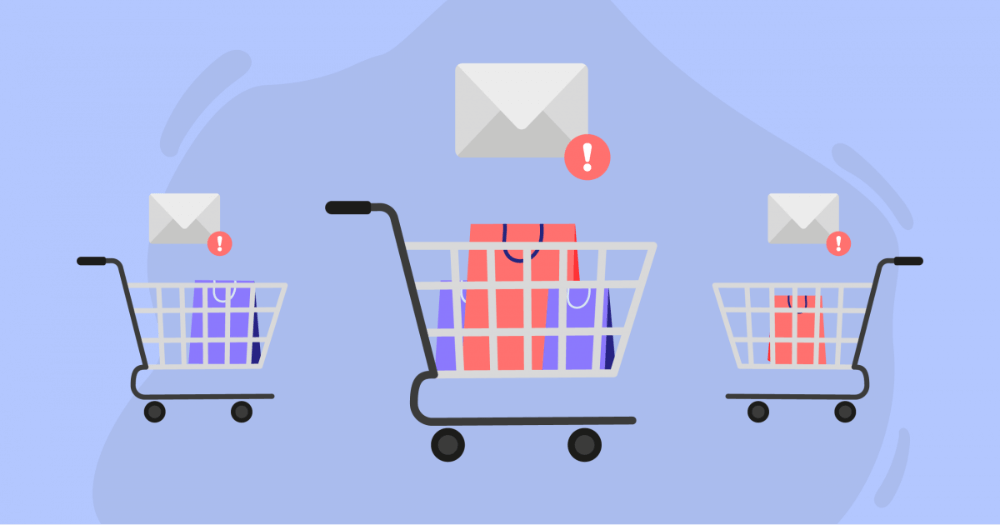
Segmentation turns “generic reminders” into “relevant nudges.” Additionally, segmentation prevents over-discounting customers who would have purchased anyway.
Start with these simple segments:
New Vs Returning Customers
- New customers often need reassurance and trust cues.
- Returning customers often need speed and convenience.
So, your messages should differ:
- New: “Need sizing help or delivery timing? Reply here.”
- Returning: “Reorder in one tap—your cart is ready: [link]”
High-Intent Vs Medium-Intent Abandoners
Use intent signals such as:
- Reached checkout or payment step (high intent)
- Multiple product views and cart adds (medium-high intent)
- Single add-to-cart with no checkout start (medium intent)
Therefore, send more aggressive timing only to higher intent.
Price-Sensitive Vs Full-Price Buyers
Look for:
- Past discount usage
- The cart contains items already on sale
- Coupon field interactions (if tracked)
Consequently, you reserve incentives for the group that truly needs them.
Write Cart Recovery Copy That Converts Without Feeling Spammy
High-converting SMS copy usually follows a simple formula: Context + Benefit + CTA
However, you can rotate the “benefit” based on the most likely blocker.
Copy Angle 1: Speed And Convenience
- “Your cart is saved. Finish checkout in one tap: [link]”
Copy Angle 2: Reassurance
- “Still deciding? Returns are easy, and support is quick. Complete checkout: [link]”
Copy Angle 3: Help And Conversation
- “Want help choosing the right option? Reply with your question, and we’ll help.”
Copy Angle 4: Urgency With Honesty
- “Heads up—inventory is moving. If you still want it, check out here: [link]”
Also, keep the message clean:
- One link
- One CTA
- One idea per text
If you want a fast swipe file, Omnisend’s abandoned cart SMS templates show many variations that fit these same angles.
Add Trust Builders That Reduce Drop-Off
Sometimes the cart blocker isn’t price—it’s trust. Therefore, add trust signals where they matter most.
High-impact trust builders include:
- Clear shipping timelines (“Ships in 24 hours”)
- Easy returns language (“30-day returns”)
- Support availability (“Reply here for help”)
- Payment options (“Pay in 4 available”)
However, don’t cram them into one message. Instead, spread them across message 1 and message 2.
Make The Checkout Link Do More Work
Even a perfect SMS fails if the landing experience frustrates the shopper. So, tighten your post-click path.
Use these checkout improvements:
- Deep link back to cart or checkout, not the homepage
- Pre-select the variant they chose (size/color)
- Keep the page fast and mobile-first
- Reduce popups after the click (they already engaged)
Additionally, use a branded domain for your links when possible. Trust increases clicks, and clicks increase recoveries.
Keep Compliance And Opt-Out Handling Non-Negotiable
Cart recovery works only when customers trust your messages. Therefore, you need consent-first sending and immediate opt-out handling.
Industry guidance emphasizes clear opt-out behavior across programs, and common standards include recognizing STOP and similar keywords. Additionally, many providers automatically support STOP-style keywords, which helps you handle opt-outs consistently.
Practical compliance habits that also improve deliverability:
- Send cart recovery only to opted-in contacts
- Use quiet hours by timezone
- Cap frequency across all marketing messages
- Stop messages immediately after STOP
- Suppress cart texts once purchase occurs
Now that the workflow is safe, you can measure performance correctly and improve over time.
Track The KPIs That Matter For Cart Recovery
Clicks matter, yet conversions matter more. So, measure performance using both engagement and outcome metrics.
Track these KPIs per message and per sequence:
- Recovery conversion rate (orders attributed to the flow)
- Revenue per recipient (RPR)
- Revenue per message (RPM)
- Time to conversion (how fast they buy after the text)
- Opt-out rate (by message number)
- Support reply rate (if you invite replies)
Then, test in the right order:
- Timing and delays
- Audience and suppression
- Copy angle (help vs urgency vs reassurance)
- Incentive strategy
- Landing page path
Twilio’s best practices highlight the importance of testing, personalization, and making it easy for customers to complete checkout.
A Simple “Ready To Launch” Cart Recovery Blueprint
If you want a clean starting point, use this:
Sequence Rules
- 2–3 messages total
- 1 link per message
- Suppress after purchase
- No overlapping flows in the same hour
Default Timing
- Message 1: 60 minutes
- Message 2: 6 hours
- Message 3: 22 hours (only for offer-sensitive segment)
Default Copy
- Message 1: reminder + link
- Message 2: help prompt + link
- Message 3: controlled incentive + tight window + link
Start there, then iterate based on your opt-out rate and your recovery conversion.

Final Thoughts
Abandoned cart SMS works because it meets shoppers at the exact moment they hesitate. However, the highest-performing programs don’t spam discounts. Instead, they remove friction first, offer help second, and use incentives selectively.
Therefore, if you combine clean timing, smart segmentation, and a fast checkout path, you can recover meaningful revenue while keeping your list healthy.