
📑Table of Contents:
- SMS Delivers Speed and Certainty
- SMS Raises Engagement at Key Moments
- SMS Bridges Online and Offline Experiences
- SMS Supports Personalization at Scale
- SMS Strengthens Automation and Workflows
- SMS Enhances Customer Support
- SMS Helps Brands Stay Compliant and Secure
- How to Use SMS Effectively in an Omnichannel Strategy
- Final Thoughts

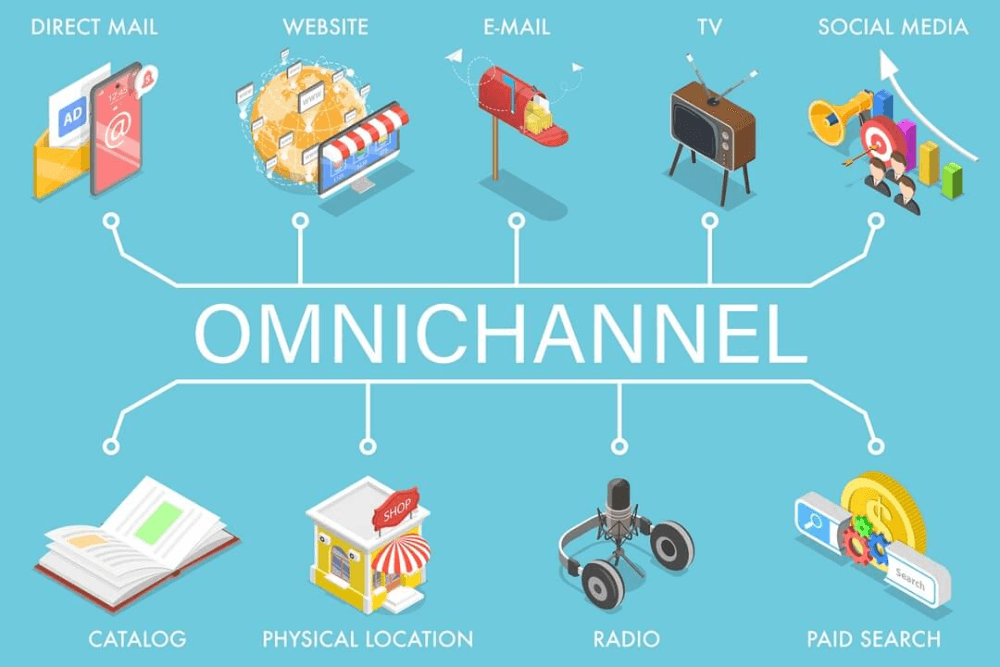
Omnichannel marketing keeps growing. Customers now move between screens, apps, and devices without a second thought. They jump from mobile to desktop, scroll through email, social feeds, and product pages, and want smooth movement across all of it. They also want brands to keep up.
Because of this, many companies seek channels that cut through the noise. SMS sits near the top of that list. It feels direct, personal, and moves fast. And it fills gaps that other channels leave behind.
In this post, we explore the role of SMS in omnichannel strategies. We look at how SMS improves reach, boosts engagement, and creates stronger customer journeys. We also break down the best ways to use SMS so your brand can grow with clarity and control.
SMS Delivers Speed and Certainty
Marketers face one big problem. Many channels feel crowded. Email inboxes overflow. Social feeds shift by the hour. Push notifications get ignored.
SMS avoids much of that chaos. It arrives within seconds. It also shows up on a device people check all day. As a result, customers see it quickly. They act on it faster, too.
Moreover, SMS works well when timing matters. Think about flash sales, low stock alerts, and appointment reminders. These moments need speed. They need visibility. SMS gives both with almost no friction.
SMS Raises Engagement at Key Moments
Every channel offers some value. Email helps with detail. Social helps with storytelling. Mobile apps help with loyalty.
However, none of these channels match the open rates of SMS. Text messages feel urgent. They feel simple. They also land in a space customers treat as personal. So they respond.
This high engagement helps brands guide customers through long journeys. For example, a customer may browse your site on a desktop. Then they may leave without buying. An SMS reminder with a strong offer can bring them back.
In addition, SMS plays a key role in retaining customers. Post-purchase messages help customers stay informed. Order updates build trust. Delivery alerts limit confusion. Quick feedback requests show you value their voice.
SMS Bridges Online and Offline Experiences
Many brands still rely on physical stores. Even digital native brands are now opening pop-up shops or full retail spaces. This mix creates new challenges. Customers want their online and offline experiences to connect without friction.
SMS helps with that too.
Imagine a customer browsing shoes on your app. They want to try them in-store. You can send a reminder with the store address and hours. You can also send a note when the product is ready for pickup.
Moreover, stores can use SMS to reduce wait times. They can send messages when fitting rooms open, send alerts when orders arrive, and even use SMS to notify customers about local events or limited releases.
This kind of connection builds trust. It keeps customers engaged. It makes movement between channels feel natural.
SMS Supports Personalization at Scale
Personalization drives loyalty. It also drives stronger revenue.
However, many brands struggle to personalize across every channel. Data lives in different places. Customer behavior shifts. Messages lose clarity.
SMS helps because it forces focus. You cannot send long paragraphs; you must stay clear and stay relevant.
With the right data, you can send messages that meet the customer where they are.
For example:
- After browsing a product, they get a quick reminder.
- After signing up for email, they get a welcome message.
- After buying, they get an update that builds peace of mind.
- After a long break, they get a gentle nudge to return.
In addition, SMS can support custom offers. Brands can send discounts based on purchase history. They can share early access to loyal customers. They can offer rewards that feel earned.
These moments make SMS feel personal. They also make it feel like a natural part of the larger journey.
SMS Strengthens Automation and Workflows

Automation sits at the heart of omnichannel strategy. It helps teams run campaigns without chaos. It also helps brands react to customer behavior fast. SMS fits into automation with minimal friction.
You can trigger SMS messages from many events. A new sign-up triggers a welcome text. A cart abandonment triggers a gentle reminder. An order shipment triggers a delivery alert.
Moreover, SMS can work alongside email flows. Email can carry long-form content. SMS can carry short nudges. Together, they create a rhythm that feels natural.
This balance helps brands scale. It also helps teams keep workflows organized.
SMS Enhances Customer Support
Support shapes customer perception more than almost anything else. A customer may forgive many things. Slow support rarely joins that list.
SMS helps brands speed up support. Customers can ask simple questions. They can request updates. They can confirm appointments.
In many cases, SMS reduces call volume, too. People prefer a quick text over a long call. This shift improves satisfaction and saves time for support teams.
In addition, SMS can deliver proactive updates. If an order runs late, you can alert the customer. If a location closes early, you can notify them. These moments reduce frustration and prevent surprises.
SMS Helps Brands Stay Compliant and Secure
Security matters. Customers want confidence. They need to trust every interaction.
SMS helps with security when brands use it correctly. Two-factor authentication gives users fast access without friction. Alerts about account activity help them feel safe. Password reset codes move fast and reduce downtime.
While SMS is not the strongest method for every security need, it still adds value. It works well for common authentication tasks. It gives customers a sense of control.
Moreover, SMS helps brands stay compliant. Customers can opt out with a single word. This ease protects both the customer and the brand.
How to Use SMS Effectively in an Omnichannel Strategy
To get results, you need a plan. SMS works best when it supports the entire journey.
Here are key steps:
- 1. Define the role of SMS: Decide where SMS adds value. Use it for urgency. Use it for reminders. Use it for updates. Keep it clear.
- 2. Keep messages short and direct: Long messages feel heavy. Short messages push action.
- 3. Blend SMS with other channels: Email can explain. Social can inspire. SMS can nudge. Bring them together.
- 4. Personalize with purpose: Send offers based on behavior. Use data to guide timing. Keep relevance high.
- 5. Test and measure consistently: Try new triggers. Try new copy. Track engagement. Improve over time.
- 6. Respect the customer’s space: Never over-message. Always allow easy opt-out. Protect trust.
Final Thoughts
SMS may feel simple. Yet its simplicity drives power. It brings speed, clarity, and action into omnichannel strategies, helps brands reach customers at the right moment, and connects digital and physical touchpoints. It also boosts retention and trust.
As customer journeys grow more complex, SMS stands out. It cuts through noise, moves customers forward, and helps brands stay connected in a world full of distractions.
When you use SMS with purpose, it strengthens your entire marketing strategy. It adds energy to every touchpoint. And it keeps your brand close to the people who matter most.