
📑Table of Contents:
- Why SMS Works So Well for Service-Based Businesses
- Reducing No-Shows with Appointment Reminders
- Writing Effective SMS Appointment Reminders
- Using SMS to Simplify Scheduling
- Automating Booking Confirmations
- Managing Reschedules and Cancellations with SMS
- Improving On-Time Attendance with Day-Of Reminders
- Using SMS for Follow-Up Messages
- Collecting Feedback Through SMS
- Strengthening Customer Relationships with Personalized Follow-Ups
- Using SMS for Recurring Appointments and Maintenance
- Integrating SMS with CRM and Scheduling Tools
- Balancing Promotional Messages with Service Messages
- Timing and Frequency for Service-Based SMS
- Compliance and Consent in Service SMS Programs
- Measuring SMS Performance for Service Businesses
- Avoiding Common SMS Mistakes in Service Businesses
- Final Thoughts
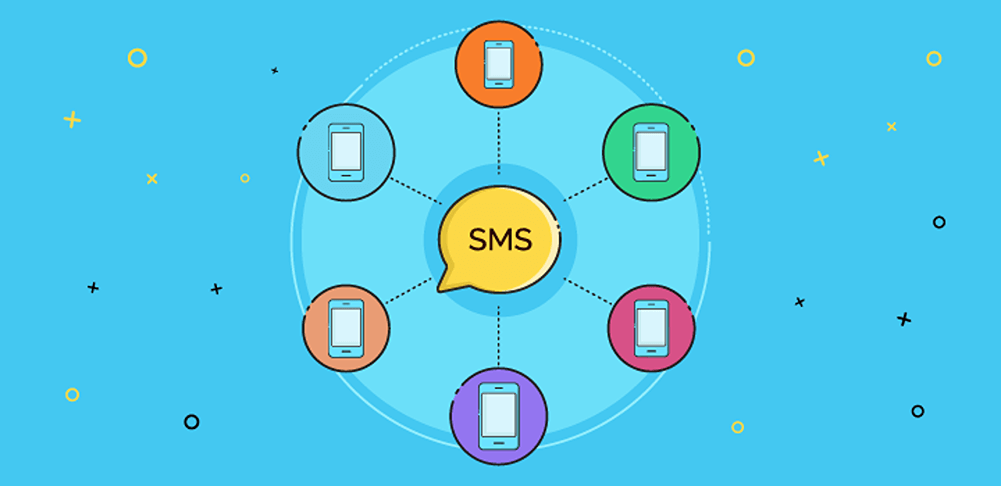
Service-based businesses run on time, trust, and communication. Appointments need to stay organized. Customers need reminders. Follow-ups need to feel personal without adding more work. As a result, many service businesses struggle with missed appointments, scheduling friction, and inconsistent engagement.
SMS solves these challenges in a simple, direct way. Text messages reach customers instantly. They feel natural. And they fit easily into busy daily routines. When used thoughtfully, SMS helps service-based businesses operate more smoothly while improving the customer experience.
This guide explains how service businesses use SMS for reminders, scheduling, and follow-ups. More importantly, it shows how SMS reduces no-shows, saves staff time, and builds stronger long-term relationships.
Why SMS Works So Well for Service-Based Businesses
Service businesses depend on reliability. When customers miss appointments or forget bookings, revenue drops and schedules break down. Therefore, communication must stay clear and timely.
SMS works because it reaches customers where they already pay attention. Most people read texts within minutes. As a result, reminders land before problems happen.
Additionally, SMS feels personal without being intrusive when used correctly. Customers expect texts about appointments and updates. Because of this expectation, engagement stays high and resistance remains low.
Reducing No-Shows with Appointment Reminders
No-shows cost service businesses time and money. They also disrupt schedules and frustrate staff. While email reminders help, they often go unread. SMS reminders perform better because they arrive at the right moment.
A simple reminder sent 24 hours before an appointment can significantly reduce no-shows. Another reminder sent a few hours before the appointment adds extra protection. These messages help customers remember and plan accordingly.
However, timing matters. Sending reminders too early reduces impact. Sending them too late limits flexibility. Therefore, businesses should test reminder windows to find the right balance.
Writing Effective SMS Appointment Reminders
Reminder messages should stay clear and calm. Customers want confirmation, not marketing language.
A strong reminder includes the appointment date, time, and location. It may also include instructions or preparation notes when relevant. Adding an easy way to confirm or reschedule improves flexibility.
For example, “Reminder: Your appointment is tomorrow at 3 PM. Reply YES to confirm or RESCHEDULE if needed.” This approach reduces friction while keeping schedules full.
Because clarity builds trust, reminder copy should avoid unnecessary words.
Using SMS to Simplify Scheduling
Scheduling often creates friction for service businesses. Phone calls take time. Emails move slowly. Missed messages cause delays.
SMS simplifies scheduling by allowing quick back-and-forth communication. Customers can confirm times, request changes, or ask simple questions without calling.
Additionally, SMS links can direct customers to online booking systems. This combination reduces manual work while giving customers control.
Because SMS supports quick decisions, scheduling becomes smoother and faster.
Automating Booking Confirmations
Booking confirmations reassure customers. They also reduce confusion and mistakes.
SMS confirmations work well because they arrive immediately after booking. Customers receive instant reassurance that the appointment exists.
A confirmation message should restate key details and set expectations. It should also explain how future reminders will arrive.
This transparency builds confidence and reduces inbound support requests.
Managing Reschedules and Cancellations with SMS
Reschedules happen. Cancellations happen. The goal is to manage them efficiently.
SMS allows customers to communicate changes quickly. Instead of calling during business hours, they can reply to a message at their convenience.
For businesses, this flexibility reduces last-minute gaps. Staff can fill openings faster. Schedules stay balanced.
By allowing easy rescheduling through SMS, businesses improve both customer satisfaction and operational efficiency.
Improving On-Time Attendance with Day-Of Reminders

Even confirmed appointments can slip through the cracks. Day-of reminders provide a final nudge.
These reminders work best when sent a few hours before the appointment. They help customers plan travel and avoid delays.
Messages should stay brief and supportive. For example, “We’ll see you today at 2 PM. Safe travels.” This tone reinforces professionalism without pressure.
When customers feel guided rather than rushed, attendance improves.
Using SMS for Follow-Up Messages
Follow-ups close the loop after service delivery. They reinforce professionalism and care.
A simple thank-you message after an appointment leaves a positive impression. It shows appreciation and keeps the relationship warm.
Follow-ups can also include next steps. For example, reminders to book future services or maintain routines feel helpful rather than promotional.
Because SMS feels personal, follow-ups often get better engagement than email.
Collecting Feedback Through SMS
Feedback helps service businesses improve. However, long surveys discourage responses.
SMS surveys work because they feel quick and easy. A short question with a link or a simple rating request increases response rates.
For example, “How was your experience today? Rate from 1–5 here: [link].” This approach respects time while gathering insight.
Because responses arrive quickly, businesses can address issues before they escalate.
Strengthening Customer Relationships with Personalized Follow-Ups
Personalization deepens engagement. SMS makes personalization feel natural.
Referencing the service performed or the staff member involved shows attention to detail. These small touches matter in service-based industries.
However, personalization should stay respectful. Overuse or overly specific references can feel uncomfortable. Balance remains key.
When personalization adds value, customers feel recognized rather than tracked.
Using SMS for Recurring Appointments and Maintenance
Many service businesses rely on repeat visits. SMS helps maintain those cycles.
Reminder messages for recurring services reduce churn. Maintenance reminders arrive when customers need them most.
For example, a message like “It’s time for your next service. Book when ready here: [link]” feels timely and helpful.
Because SMS arrives at the right moment, customers act without feeling pressured.
Integrating SMS with CRM and Scheduling Tools
Integration improves efficiency. When SMS connects with scheduling software or CRM systems, workflows become automatic.
Booking triggers confirmations. Appointments trigger reminders. Completed services trigger follow-ups.
This automation reduces manual work while maintaining consistency. Staff can focus on service delivery rather than administrative tasks.
However, automation should still feel human. Copy and timing need regular review.
Balancing Promotional Messages with Service Messages
Service-based SMS programs should focus primarily on utility. Promotional messages should remain secondary.
Customers expect reminders and updates. They tolerate promotions only when relevance stays high.
For example, offering a loyalty discount after several visits feels appropriate. Sending frequent promotions unrelated to service feels intrusive.
Balancing message types protects trust and engagement.
Timing and Frequency for Service-Based SMS
Timing matters deeply in service contexts. Messages sent outside business hours often feel disruptive.
Most reminders perform best during daytime hours. Follow-ups work well shortly after service completion.
Frequency should remain low and purposeful. Service businesses rarely need frequent marketing texts.
By respecting timing and frequency, businesses maintain a professional image.
Compliance and Consent in Service SMS Programs
Consent remains essential. Customers must agree to receive texts.
Opt-in language should clearly explain message types. Reminders, confirmations, and follow-ups should feel expected.
Opt-out options must stay easy and immediate. Respecting these boundaries protects trust and compliance.
Measuring SMS Performance for Service Businesses
Metrics reveal effectiveness. No-show rates, confirmation rates, response times, and feedback scores matter most.
Tracking changes over time helps refine strategy. If no-shows drop, reminders work. If feedback improves, follow-ups succeed.
Because service businesses depend on consistency, measurement supports stability and growth.
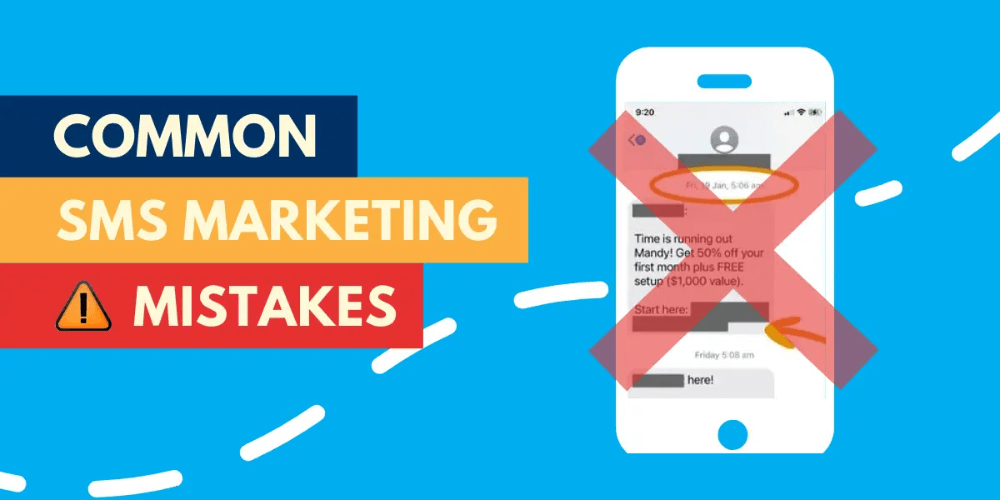
Avoiding Common SMS Mistakes in Service Businesses
Some businesses overuse SMS or blur the lines between service and promotion. Others send unclear reminders or forget follow-ups.
These mistakes erode trust quickly. Because SMS feels personal, customers react fast.
Avoiding these pitfalls requires clarity, restraint, and ongoing review.
Final Thoughts
SMS offers service-based businesses a powerful way to communicate clearly and efficiently. It reduces no-shows, simplifies scheduling, and strengthens follow-ups.
When used with intention, SMS improves both operations and customer relationships. It saves time. It builds trust. And it supports growth without adding complexity.
Service businesses that focus on clarity, timing, and respect turn SMS into a reliable partner rather than a distraction. Over time, that partnership leads to smoother schedules, happier customers, and stronger retention.