
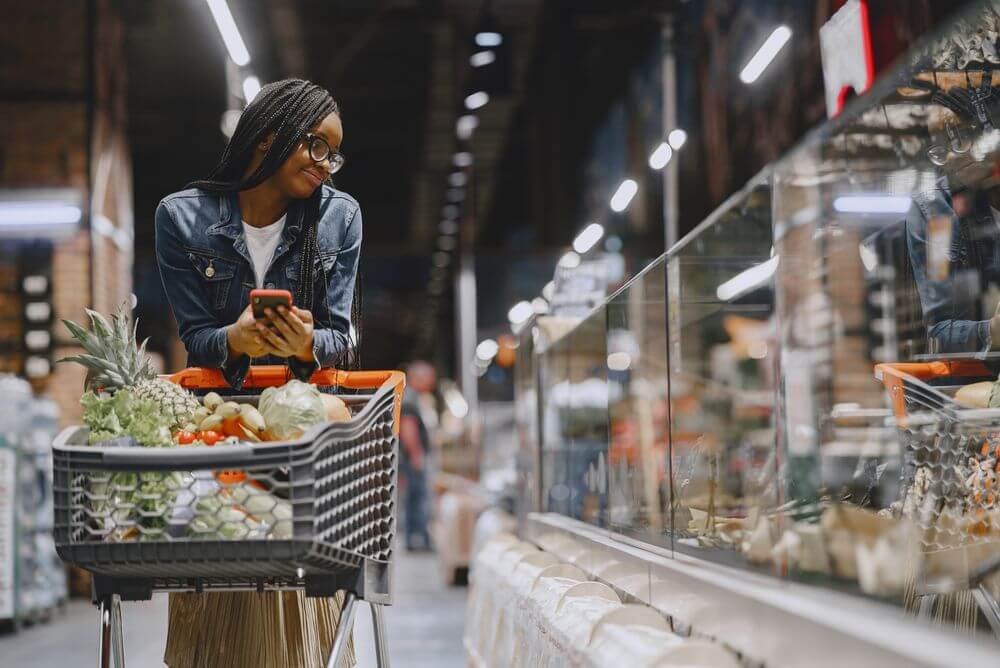
Online brands have changed how people shop. Customers can compare prices, read reviews, order in minutes, and receive products at their doorstep. However, local retail stores still have powerful advantages that e-commerce brands cannot fully copy: personal service, community trust, immediate pickup, in-store experiences, and human recommendations.
The challenge is visibility. Online brands use ads, email automation, retargeting, influencer content, and app notifications to stay in front of shoppers. Therefore, local retailers need a direct channel to reach customers quickly without relying solely on social media algorithms or expensive ads. SMS campaigns can provide that channel.
Text messaging helps local stores promote in-store events, announce new arrivals, send limited-time offers, recover interested shoppers, and reward loyal customers. Moreover, SMS can connect the convenience of online shopping with the immediacy of a neighborhood store. A customer may browse online, but a timely text can remind them that your store has the item available today.
As e-commerce continues to grow, local retailers should not try to completely copy online brands. Instead, they should use SMS to highlight what makes local shopping better: speed, service, trust, and connection.
Why SMS Campaigns Matter For Local Retail Stores
Local stores compete for attention every day. A customer may like your shop, but they may forget to visit unless you give them a reason. Additionally, social media posts may not reach every follower, and emails may sit unread. SMS gives retailers a faster way to share timely updates.
Text campaigns work especially well for local retail because shoppers can act quickly. If a boutique sends a message about a weekend sale, nearby customers can visit that same day. If a pet store announces that a popular product is back in stock, customers can pick it up before it sells out. If a bookstore promotes an author event, subscribers can reserve a seat immediately.
Furthermore, SMS feels personal when retailers use it well. A short text from a local store can feel like a helpful reminder rather than a mass advertisement. As a result, SMS can strengthen customer relationships while driving measurable visits and sales.
What Local Stores Can Offer That Online Brands Cannot
Local retailers do not need to compete only on price. Online brands often win on convenience and selection, but local stores can win on experience and immediacy.
Local stores can offer:
- Same-day pickup without shipping delays
- Personal product recommendations
- In-person fitting, testing, or sampling
- Local events and community experiences
- Easy exchanges and human support
- Exclusive in-store bundles
- Loyalty perks for nearby customers
- Trust built through real relationships
SMS helps retailers promote these advantages at the right time. For example, a shoe store can text customers when new running shoes arrive and invite them for an in-store fitting. Similarly, a gift shop can send a last-minute holiday reminder with curated gift ideas available for pickup today.
SMS Campaign Ideas For Local Retail Stores
SMS campaigns work best when they give customers a clear reason to visit, reply, or buy. Instead of sending generic promotions, local stores should connect each message to a specific action.
- New Arrival Text: “New fall candles just arrived. Visit today for first pick, or reply CANDLE and we’ll send photos.”
- Same-Day Pickup Text: “Need a last-minute gift? We have ready-to-wrap options available today. Reply GIFT for ideas.”
- Weekend Sale Text: “This weekend only: Save 20% on select denim in-store. Show this text at checkout.”
- Back-In-Stock Text: “Your favorite dog treats are back in stock. Reply HOLD, and we’ll set one aside for pickup.”
- Event Reminder Text: “Our wine-and-shop night starts at 6 p.m. tonight. Reply YES if you’re coming.”
- Loyalty Reward Text: “You’ve earned a $10 reward. Visit this week and use it on any purchase over $40.”
- Slow-Day Traffic Text: “Rainy day deal: Stop by before 5 p.m. and get 15% off accessories.”
These examples work because they feel timely and local. Moreover, they invite simple actions, such as replying, visiting, claiming, or showing the text in-store.
How SMS Helps Local Stores Drive Foot Traffic
Foot traffic remains one of the biggest advantages of local retail. Once customers enter the store, staff can recommend products, answer questions, and create a stronger shopping experience than a product page can provide. Therefore, SMS should often aim to bring people into the store.
A strong foot traffic campaign should include:
- A specific reason to visit
- A deadline or event time
- A clear offer or benefit
- A simple call to action
- A way to track results
For example, “Visit this weekend for 20% off” works better than “Come shop with us soon.” The first message gives shoppers a reason and a deadline. Additionally, local stores can track results by asking customers to show the text at checkout or by using a unique promo code.
Retailers can also use SMS to support slower business hours. If Tuesday afternoons usually lag, a store can send a midday text with a short-term offer. However, retailers should use this strategy carefully. Too many discount texts can train customers to wait for deals. Instead, mix promotions with events, product alerts, service reminders, and loyalty perks.
How To Use SMS For Local Loyalty Programs
Online brands often use points, email flows, and app notifications to encourage repeat purchases. Local retailers can use SMS for the same goal, but with a more personal touch.
A strong SMS loyalty program can include:
- Birthday rewards
- Purchase reminders
- Points updates
- VIP sale access
- Early event invitations
- Personalized product alerts
- Referral rewards
- Thank-you messages after purchases
For example, a boutique might text: “Thanks for shopping with us, Maria. Your next reward unlocks after one more visit.” This kind of message encourages another trip while making the customer feel recognized.
Additionally, SMS can help local retailers create VIP groups. A home décor store could invite top customers to join a “first look” list for seasonal arrivals. A sneaker store could send early alerts to collectors. A children’s store could notify parents about new school-year essentials. Consequently, customers receive texts that match their interests.
How Local Stores Can Combine SMS With Online Convenience
Local retailers can compete more effectively when they blend digital convenience with in-store value. SMS can help stores create a simple omnichannel experience without needing a large ecommerce operation.
For example, stores can use SMS to:
- Send product photos on request
- Let customers reserve items by replying
- Share payment links for pickup orders
- Promote buy-online-pickup-in-store options
- Confirm curbside pickup details
- Notify customers when orders are ready
- Send restock alerts
- Follow up after online inquiries
This approach gives customers the speed they expect from online shopping while keeping the sale local. Moreover, it helps smaller retailers compete against e-commerce brands that cannot provide immediate human service in the neighborhood.
A simple workflow can work well: the customer replies to a text, the store sends photos or options, the customer chooses an item, and the store holds it for pickup. As a result, the shopper gets the convenience of not having to wait for shipping.
Best Practices For Local Retail SMS Campaigns
Local retailers should use SMS with care because text messages feel personal. A strong campaign should respect customer attention and provide clear value.
- Get Clear Consent First: Ask customers to opt in through checkout forms, QR codes, website forms, loyalty programs, or in-store signage.
- Set Expectations: Tell subscribers whether they will receive offers, event alerts, product updates, or loyalty rewards.
- Segment Your List: Group customers by interest, purchase history, location, or loyalty status.
- Use Local Urgency: Promote same-day pickup, weekend events, limited inventory, and in-store exclusives.
- Invite Replies: Let customers reply to reserve items, ask questions, or request recommendations.
- Keep Texts Short: Focus on one message and one action.
- Track Store Visits: Use unique codes, “show this text” offers, or POS notes to measure results.
- Avoid Overtexting: Send fewer, more useful messages instead of constant promotions.
- Honor Opt-Outs Quickly: Make it easy for subscribers to stop receiving texts.
- Train Staff: Make sure employees know the campaign details when customers visit or reply.
These practices help local stores use SMS as a relationship tool rather than a noisy sales channel.
Common Mistakes Local Retailers Should Avoid
SMS can help local stores compete, but poor execution can hurt trust. Therefore, retailers should avoid these mistakes:
- Sending texts without permission
- Texting too often
- Using vague offers
- Sending the same message to every customer
- Forgetting to monitor replies
- Running promotions that staff do not know about
- Ignoring loyalty opportunities
- Using SMS only for discounts
- Failing to track in-store redemptions
- Sending messages at inconvenient times
For example, “Big sale today” sounds forgettable. A stronger message says, “Today only: 20% off all handbags in-store. Show this text at checkout before 6 p.m.” The second message gives a category, channel, deadline, and next step.
How To Measure SMS Campaign Success
Local stores should measure SMS based on real store outcomes, not just clicks. Since many customers buy in person, retailers need tracking methods that connect texts to store visits and sales.
Important metrics include:
- SMS list growth
- In-store redemptions
- Foot traffic during campaign windows
- Replies from interested shoppers
- Reserved items
- Same-day pickup orders
- Loyalty reward use
- Event attendance
- Repeat purchase rate
- Revenue from SMS subscribers
- Opt-out rate
Additionally, retailers should compare campaign types. A restock alert may drive more replies, while a weekend sale may drive more revenue. Over time, these insights help stores send better texts.
FAQs
Can Small Retail Stores Use SMS Marketing?
Yes. Small retail stores can use SMS to promote events, announce new arrivals, send offers, manage loyalty rewards, and invite customers back into the store.
How Often Should A Local Store Send Text Campaigns?
Most local retailers should start with two to four marketing texts per month. However, event reminders, pickup updates, and service messages can go out when customers expect them.
What Types Of SMS Campaigns Work Best For Local Retail?
New arrival alerts, back-in-stock messages, weekend promotions, event reminders, loyalty rewards, and same-day pickup texts often work well.
Can SMS Help Local Stores Compete With Amazon?
Yes, but local stores should not compete only on price. Instead, SMS should highlight same-day availability, personal service, local events, easy pickup, and trusted recommendations.
How Can Stores Get More SMS Subscribers?
Stores can promote SMS signups at checkout, on receipts, via QR codes, on social media, on their websites, and through loyalty programs. Additionally, they can offer a clear incentive such as a discount, early access, or birthday reward.
Final Thoughts
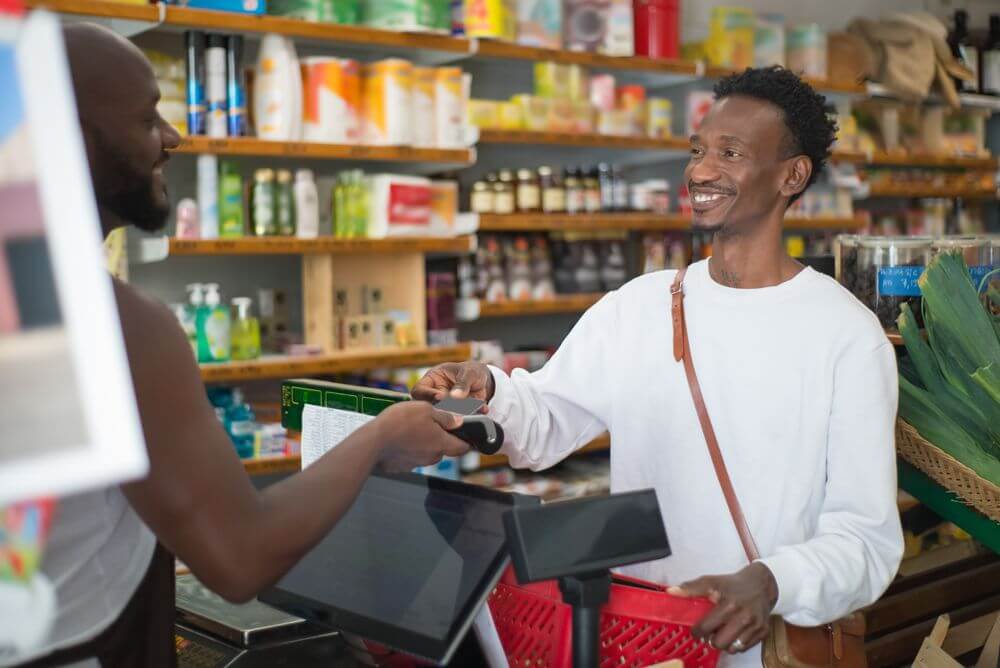
Local retail stores can compete with online brands by using SMS campaigns to highlight the advantages that e-commerce cannot fully match. Online brands may offer convenience, but local stores can offer same-day access, personal service, community connection, and real shopping experiences.
SMS helps retailers bring those advantages directly to customers. A text can announce a new arrival, reserve an item, promote a weekend event, send a loyalty reward, or bring a shopper back into the store. Moreover, two-way texting can turn a simple campaign into a real conversation.
Ultimately, local retailers do not need to outspend online brands to win attention. They need to communicate at the right time with the right message. When used strategically, SMS campaigns can help local stores increase foot traffic, build loyalty, and turn nearby shoppers into repeat customers.