

Home service businesses run on timing, trust, and follow-through. A homeowner requests a quote, needs a same-day repair, books an estimate, or waits for a technician to arrive. In every one of those moments, communication shapes the outcome. If the business responds slowly, the job may go elsewhere. If the schedule feels unclear, the customer may cancel. And if follow-up never happens, future revenue disappears. That is exactly why text messaging has become such a practical tool for home services in 2026. Homeowners increasingly expect flexible, digital communication, and current industry research points in the same direction: they want convenience, transparency, and real-time updates, including the option to communicate by text.
That shift matters because home services now compete on experience as much as workmanship. A plumbing company, HVAC contractor, electrician, roofer, landscaper, or cleaning service may do excellent work. However, if the customer experience feels slow or outdated, that quality advantage can get lost before the technician ever reaches the home. Moreover, industry data shows that thriving residential service businesses are leaning harder into digital touchpoints, including text messaging, while also focusing on prompt follow-up and easier customer communication.
So, text messaging for home services is no longer just a reminder tool. Instead, it has become a practical way to capture leads faster, confirm appointments, reduce no-shows, keep track of jobs, and drive repeat business. When companies use it well, texting helps them look more responsive, more organized, and easier to work with.
Why Text Messaging Works So Well For Home Services
Home services are built around short decision windows. A homeowner with no air conditioning, a leaking pipe, a broken garage door, or a last-minute cleaning need usually does not want a long back-and-forth. They want a fast answer, a clear next step, and a reliable arrival window. Therefore, text messaging works because it matches the urgency of the situation without forcing the customer into a phone call every time.
At the same time, mobile behavior continues to push communication in this direction. Homeowners increasingly expect digital-first experiences, flexible payments, and status visibility. At the same time, newer research on communication in the home services space shows a near-even split between text and phone during projects, as convenience becomes more important. That makes texting especially useful for businesses that want to stay responsive without overwhelming office staff with constant calls.
Texting also fits the way home service teams actually work. A dispatcher can confirm a visit. A CSR can follow up on an estimate. A technician can send an “on my way” message. And a service manager can re-engage lapsed customers before they churn. As a result, texting supports both operations and revenue.
Where Text Messaging Delivers The Most Value
The best home service texting strategies usually focus on the moments when speed and clarity most affect outcomes.
High-Impact Text Messaging Use Cases
- New lead follow-up
- Estimate and booking confirmation
- Appointment reminders
- Technician en route updates
- Job status communication
- Quote follow-up on unsold estimates
- Review requests after completed work
- Seasonal maintenance reminders
- Win-back campaigns for inactive customers
These use cases matter because they connect directly to real business pain points. A missed estimate can mean lost revenue. A forgotten appointment can waste a truck roll. A slow status update can frustrate a homeowner. Therefore, texting works best when it closes these gaps before they become bigger problems.
Fast Lead Response Wins More Jobs
One of the clearest advantages of text messaging in home services is the speed of a response. When a homeowner fills out a form, requests a quote, or asks about availability, the business has a short window to earn trust. ServiceTitan’s 2025 residential industry research notes that prompt response times and smooth interactions influence whether homeowners choose to do business with a contractor. That makes immediate follow-up a competitive advantage, not just a nice extra.
A quick text can do several useful things at once. It can confirm that the request came through, set expectations, and move the customer toward the next step. Moreover, it feels easier to answer than a long email and less disruptive than a phone call for many homeowners.
A strong first-response text might:
- Confirm the service request
- mention the service category
- offer two appointment windows
- ask for one simple clarification
- Assure the homeowner that someone is on it
That approach works because it reduces uncertainty fast. Instead of wondering whether the business saw the request, the customer sees clear momentum immediately.
Appointment Reminders Reduce No-Shows And Scheduling Chaos
Once a customer books, communication still matters. Home service companies often lose time and money when homeowners forget appointments, confuse time windows, or fail to prepare for the visit. That is why appointment reminders remain one of the most valuable uses of texting.
ServiceTitan’s guidance on confirming appointments is blunt about the operational reality: companies need friendly reminders to keep schedules accurate and reduce no-shows and missed appointments. Texting helps because it reaches the homeowner quickly and gives them a simple way to confirm or reschedule before the technician heads out.
A good reminder system can include:
| Stage | Best Text Purpose | Business Benefit |
|---|---|---|
| After booking | Confirm the appointment | Reduces confusion |
| Day before visit | Reminder and prep note | Cuts no-shows |
| Morning of visit | Time-window reminder | Improves readiness |
| En route | Technician ETA update | Builds trust and reduces friction |
This structure helps by keeping the homeowner informed without over-communicating. As a result, the business looks organized, and the customer feels more confident.
“On My Way” Texts Build Trust Fast
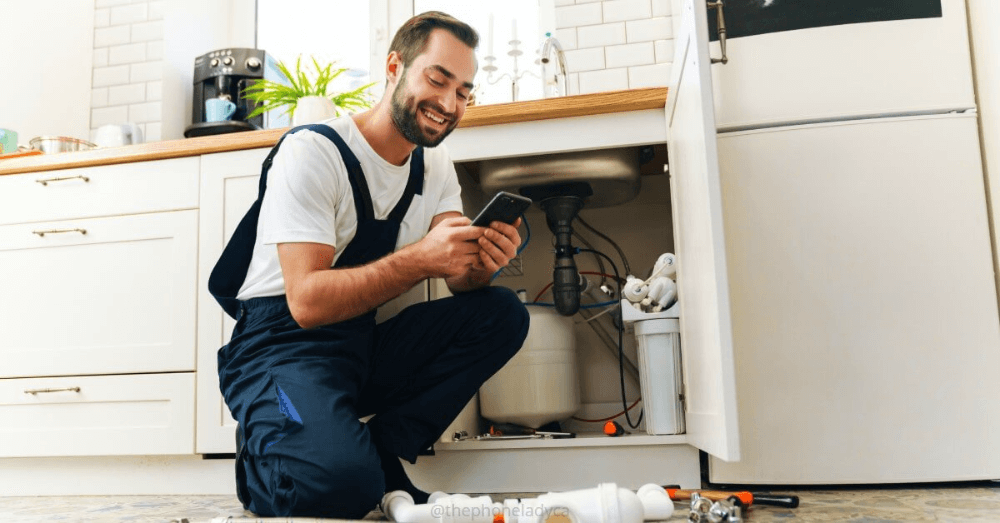
In-home services, trust often hinges on the day of the job. The customer wants to know when someone will arrive, whether the technician is actually coming, and how long the wait will be. Therefore, “on my way” texts are one of the simplest and highest-value messages a company can send.
These texts do more than reduce inbound calls. They also create a better experience. A homeowner does not have to keep checking the clock or calling the office for an update. Instead, they get a timely text that makes the process feel more modern and more respectful of their time. Current industry messaging about homeowner expectations highlights real-time updates and flexibility as part of a better customer experience, which is exactly where technician ETA texts fit in.
For service businesses trying to stand out, this matters. Good arrival communication makes the company feel more dependable before the work even begins.
Estimate Follow-Up Can Recover Lost Revenue
Not every quoted job closes immediately. In fact, many home service companies lose meaningful revenue by failing to follow up on unsold estimates. ServiceTitan’s residential services research specifically calls out active follow-up on unsold estimates as a revenue tactic for contractors. That point is important because many jobs are not really lost. They are delayed, forgotten, or sitting behind one unanswered question.
Texting gives companies a low-friction way to reopen those conversations. Instead of waiting days and sending a generic email, a business can send a brief follow-up that references the estimate and invites a reply.
For example, a company might use texts to:
- Remind a homeowner that the estimate is still valid
- answer a question about timing or scope
- offer the next available installation date
- prompt a quick yes-or-no response
- Reconnect before the customer chooses a competitor
Because these messages are short and direct, they often restart momentum more effectively than longer follow-up sequences.
Text Messaging Improves The Full Customer Lifecycle
The biggest mistake many home service businesses make is treating texting only as a booking tool. In reality, it works across the full customer lifecycle, from first lead to repeat business.
A Simple Home Services Lifecycle Map
| Lifecycle Stage | Smart Texting Goal | Example Outcome |
|---|---|---|
| New lead | Respond quickly | More booked estimates |
| Booked customer | Confirm and remind | Fewer no-shows |
| Day-of-job customer | Update and reassure | Better experience |
| Post-job customer | Request review or feedback | More social proof |
| Past customer | Maintenance reminder | More repeat revenue |
| Inactive customer | Win-back offer | Reactivated accounts |
This matters because repeat customers often drive a large share of home service business. Earlier ServiceTitan industry reporting found that, for contractors in one year, repeat customers accounted for 39% of revenue and 71% of business volume. So, texting is not only about winning the next job. It is also about protecting the next several jobs.
Seasonal Reminders And Maintenance Texts Support Retention
Many home service categories benefit from recurring work. HVAC companies can remind customers about tune-ups. Plumbers can send seasonal maintenance prompts. Electricians can follow up on previous recommendations. Pest control, pool service, lawn care, and cleaning businesses can all use texting to keep recurring schedules active.
This kind of texting works because it feels timely and practical rather than purely promotional. Additionally, homeowners increasingly expect proactive communication and convenient digital options from contractors. So, a well-timed maintenance reminder can feel helpful rather than intrusive, especially when the customer already knows the business.
Reviews, Referrals, And Follow-Up Matter Too
After the job is done, texting still has value. A short review request can help capture positive feedback while the experience is fresh. A referral text can encourage word-of-mouth. And a follow-up message can show the homeowner that the company cares about the outcome, not just the invoice.
These post-job texts tend to work best when they are short, specific, and timed well.
For example:
- Same-day review request after a successful visit
- Next-day follow-up asking if everything is working properly
- referral prompt after a highly rated experience
- thank-you note with a reminder about future service needs
Because trust matters so much in home services, these smaller messages can strengthen brand perception more than many companies expect.
Compliance Still Matters
Texting for home services may feel conversational, but it still sits inside real legal and compliance rules. The FCC says commercial texts require prior express written consent, while informational texts may rely on oral consent depending on the situation. The FCC also makes clear that the rules apply even if the consumer has not placed the number on the National Do Not Call Registry.
So, home service businesses should build texting programs around:
- clear opt-in language
- accurate consent records
- easy opt-out handling
- separation between service texts and promotional texts when appropriate
- clean follow-up processes for stop requests
This protects more than compliance. It also protects trust, which directly affects response and retention.
Best Practices For Text Messaging In Home Services
What To Do:
- Reply quickly to new inquiries
- Keep messages short and action-oriented
- Use reminders and ETA texts consistently
- Personalize by service type or job stage
- Follow up on unsold estimates
- Send maintenance reminders based on real timing
- Request reviews after successful visits
What To Avoid:
- Using one generic message for every customer
- Sending promotions without clear consent
- Waiting too long to follow up
- Over-texting customers after one job
- Failing to process opt-outs promptly
These habits matter because texting works best when it feels useful, timely, and expected.
Frequently Asked Questions
Is Text Messaging Good For Home Service Businesses?
Yes. It works especially well for fast lead response, appointment reminders, ETA updates, estimate follow-up, and repeat-service reminders. Current industry research also shows homeowners increasingly expect flexible digital communication from contractors.
What Is The Best Place To Start With Text Messaging?
Usually, with lead follow-up and appointment reminders. Those two use cases directly improve booking rates, schedule accuracy, and customer experience.
Do Home Service Companies Need Consent To Send Promotional Texts?
Yes. Commercial texts require prior express written consent under FCC guidance, whereas informational texts may be subject to different consent standards depending on the circumstances.
Final Thoughts
Text messaging works so well for home services because the business depends on responsiveness, clarity, and trust. A text can help win the job, confirm the appointment, calm the wait, recover the estimate, and bring the customer back later for repeat work, in a category where small delays often cost real revenue; that matters a lot.
In 2026, the best home service companies will not use texting as a side feature. Instead, they will treat it as part of the customer experience itself. They will answer faster, update more clearly, follow up more consistently, and make it easier for homeowners to say yes. And when that happens, text messaging stops being just another communication tool. It becomes a practical growth system.