
📑Table of Contents:
- Define Engagement Before You Compare Channels
- SMS Marketing: The Channel Built For Reach And Speed
- RCS Marketing: Rich, Interactive Messaging Inside The Inbox
- The Engagement Differences That Actually Move Results
- When RCS Usually Drives Better Engagement
- When SMS Usually Drives Better Engagement
- A Straightforward Framework To Choose RCS Vs SMS
- How To Run A Hybrid Strategy Without Making It Messy
- So Which Channel Drives Better Engagement?
- Final Thoughts
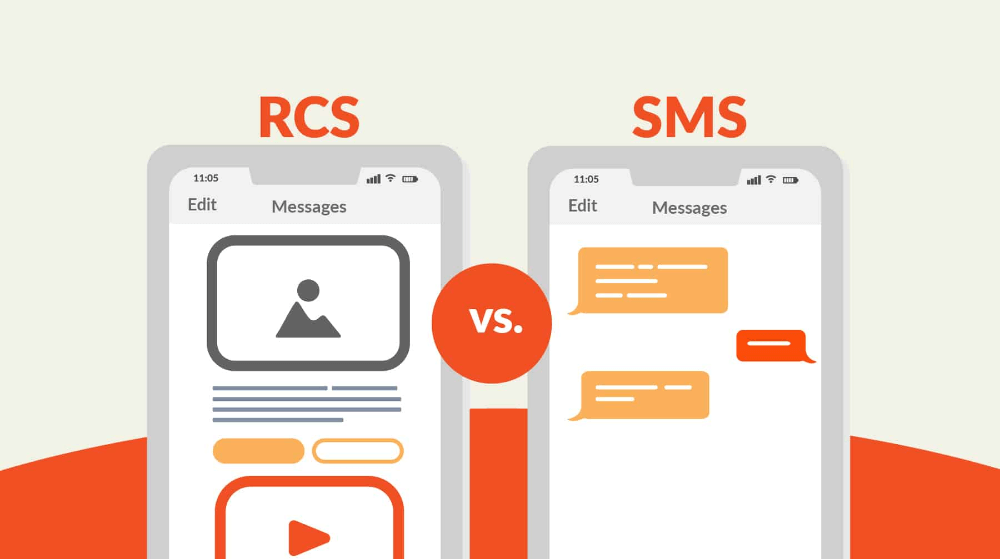
Messaging marketing feels simple on the surface: send a message, get a click, drive a sale. However, the channel landscape has changed. SMS still delivers near-universal reach, while RCS adds rich, app-like experiences inside the native inbox. Therefore, marketers now face a real decision: do you prioritize scale with SMS, or do you pursue deeper interactions with RCS?
Even better, you don’t have to pick only one. In fact, many of the strongest programs use RCS where it’s available and SMS as a reliable fallback. Consequently, the real question becomes more practical: which channel drives better engagement for your audience and your goals?
In this guide, you’ll get a clear comparison of RCS vs SMS marketing, the engagement metrics that matter, and a decision framework you can use across campaigns and automations.
Define Engagement Before You Compare Channels
Before you compare RCS and SMS, define what “engagement” means for your business. Otherwise, you’ll argue about clicks while your finance team cares about conversions.
Engagement in messaging typically follows a ladder:
- Delivery and Reach: Did the message arrive, and how many people could receive it?
- Attention: Did the customer notice it and open or view it?
- Interaction: did the customer click, reply, or tap an action?
- Outcome: Did the customer buy, book, renew, or complete the goal?
- Relationship: Did the customer stay subscribed and feel respected?
Additionally, pick a primary metric for each flow. For example, a cart recovery flow should optimize for conversion rate and revenue per delivered message, while a support flow may optimize for resolution speed and satisfaction.
Once you align on a definition, you can evaluate RCS and SMS without guesswork.
SMS Marketing: The Channel Built For Reach And Speed
SMS works because it’s universal, fast, and familiar. Most phones support it out of the box, so brands can reach almost any subscriber without worrying about device compatibility. As a result, SMS becomes the default option for alerts, promotions, and simple automations.
Moreover, SMS shines when the message needs only one action. A short reminder, paired with good segmentation and smart timing, can perform extremely well. Additionally, SMS tends to load quickly and deliver reliably even in weaker network conditions, which helps when the moment matters.
However, SMS limits the experience inside the thread. You can’t add product carousels, interactive menus, or branded action buttons natively. Instead, you rely on links and landing pages to carry the experience. Consequently, SMS engagement often depends on what happens after the tap, not on what happens within the message.
What SMS Does Best
SMS typically excels in these scenarios:
- Time-sensitive notifications like delivery updates, reminders, and account alerts
- Simple promotions with one clear CTA
- Basic lifecycle flows like welcome messages and win-back nudges
- Two-way support when customers prefer quick replies
Still, you need to manage frequency carefully. If you push too often, opt-outs rise quickly. Therefore, SMS wins most consistently when you respect attention and stay relevant.
Now that you understand SMS’s strengths, let’s look at what changes when you add rich features.
RCS Marketing: Rich, Interactive Messaging Inside The Inbox
RCS turns the native messaging inbox into something that feels closer to a modern chat app. Instead of a plain text message, you can deliver rich media, branded sender experiences, suggested replies, and interactive buttons. As a result, customers can browse, choose, and act with fewer steps.
For example, an RCS message can display a product image, a price, and two buttons, such as “View Details” and “Add To Cart.” Similarly, you can present multiple items in a carousel so customers can swipe and select without leaving the conversation. Therefore, RCS often improves interaction quality by reducing friction.
However, RCS support varies across devices, carriers, and messaging apps. So, you can’t assume every subscriber can receive an RCS experience. Consequently, most marketers use RCS with automatic fallback to SMS so they protect reach.
What RCS Does Best
RCS tends to perform well for:
- Product discovery and merchandising with images and carousels
- Guided shopping flows with choices and suggested replies
- Appointment and scheduling flows with confirm/reschedule buttons
- Support and order management with interactive menus
- Onboarding flows that benefit from step-by-step actions
Even so, RCS requires more creative planning. If you build a rich message that feels like a banner ad, customers will ignore it. Instead, treat RCS as a helpful UI embedded in the inbox.
Now let’s compare the two channels on the engagement metrics that matter in real programs.
The Engagement Differences That Actually Move Results
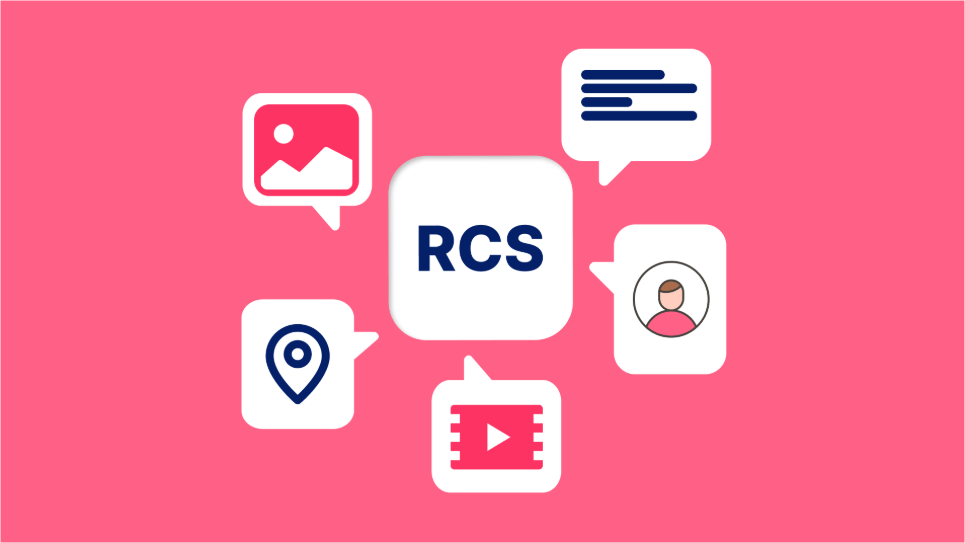
RCS and SMS can both drive engagement, but they win in different ways. SMS often wins on a reachable scale, while RCS often wins on in-thread interaction. Therefore, you should compare them based on the friction each channel removes for a specific goal.
Reach And Coverage: Breadth Vs Capability
SMS reaches nearly everyone with a phone that can receive texts. In contrast, RCS coverage depends on the recipient’s capability. As a result, SMS usually wins the “how many people can I reach today?” question.
However, reach alone doesn’t guarantee outcomes. If your experience needs a richer context, RCS can outperform on a smaller subset because it makes the action easier. Consequently, a hybrid approach often delivers the best total engagement.
Interaction Design: Links Vs Buttons
SMS typically pushes users to a link. That works well when your landing page loads fast, and your offer is simple. However, every extra step createsa drop-off. In contrast, RCS can keep the user inside the conversation with buttons and suggested replies. Therefore, RCS often increases interaction rate when the journey has multiple steps.
Trust Signals: Generic Sender Vs Branded Presence
SMS can feel anonymous, especially when customers receive many promotional texts from different brands. As a result, some customers hesitate before clicking. RCS can present a more branded experience, which may reduce uncertainty. Consequently, RCS can improve engagement in categories where trust strongly influences action.
Creative Utility: Describe Vs Show
SMS can describe a product, but RCS can show it. Therefore, RCS often performs better when visuals influence decisions, such as apparel, beauty, home goods, and travel experiences. Still, SMS can match or beat RCS when the customer already knows what they want and needs only a quick nudge.
Now let’s bring this down to a marketer-friendly question: which use cases tend to favor which channel?
When RCS Usually Drives Better Engagement
RCS typically wins when the customer benefits from choice, visuals, or guided actions. In other words, if your message needs UI, RCS helps.
Product Drops And Merchandising
RCS works well for showcasing multiple items. For example, a carousel can highlight the three best sellers with a button on each card. As a result, the customer can explore without opening a browser first.
Additionally, RCS lets you tailor options. If you segment by category interest, you can show a carousel that matches that interest. Consequently, the experience feels curated rather than broadcast.
Abandoned Browses And Carts With Friction
If the customer hesitates due to questions, RCS can reduce uncertainty. For example, you can include buttons like “See Size Guide,” “View Shipping,” or “Talk To Support.” Therefore, you remove the exact obstacles that prevent conversion.
Scheduling And Confirmations
RCS shines when users need to confirm or change something. Buttons like “Confirm,” “Reschedule,” or “Get Directions” shorten the path. As a result, customers take action quickly, reducing missed appointments.
Guided Support
RCS can present quick-reply menus that route customers to the right help path. Consequently, you can reduce response time and keep the conversation organized.
Even if RCS excels in these use cases, SMS still wins in many situations. Let’s cover those next.
When SMS Usually Drives Better Engagement
SMS wins when speed, reach, and simplicity matter most. Therefore, SMS often becomes the best choice for high-coverage programs and time-sensitive messaging.
Time-Sensitive Alerts And Reminders
If your goal is to notify everyone quickly, SMS usually wins. Delivery updates, payment reminders, and short confirmations often need universal reach. Additionally, these messages typically require only one action, making SMS a natural fit.
Simple Promotions With One Primary CTA
If you can express the value in one sentence and one link, SMS can perform extremely well. For example, “Today only: free shipping ends at midnight. Shop: [link].” Consequently, you don’t need rich UI to win.
Markets With Mixed Device Support
If your audience spans many carriers and devices, RCS coverage may vary. Therefore, SMS keeps your program consistent. Once you understand coverage patterns, you can add RCS where it provides clear upside.
Lean Automations With Clear Timing
Welcome messages, replenishment reminders, and win-back nudges often succeed with clean SMS copy and a direct CTA. However, you still need frequency caps and suppression rules, because fatigue kills engagement faster in SMS.
Now that you’ve seen the “best fit” scenarios, let’s build a simple framework you can apply to any campaign.
A Straightforward Framework To Choose RCS Vs SMS
You can make good channel decisions quickly by asking four questions.
Question 1: Do You Need Maximum Reach?
If you need to contact nearly everyone, start with SMS. Then, layer RCS where supported to improve interaction depth. As a result, you protect scale while still upgrading the experience for capable users.
Question 2: Does The Message Require Choices Or Steps?
If the user needs to choose between options, RCS often wins. Buttons and suggested replies reduce typing and reduce drop-off. Therefore, use RCS for flows like scheduling, guided shopping, and support routing.
Question 3: Will Visuals Improve Confidence?
If visuals remove uncertainty, RCS usually helps. For example, images can clarify color, fit, or style. Consequently, RCS can increase engagement when customers hesitate due to a lack of context.
Question 4: Can You Support Fallback And Testing?
If you can implement a fallback, you can use RCS safely. Otherwise, SMS remains the reliable default. However, even with fallback, you should run clean tests so you understand lift by channel. Therefore, track outcomes by delivered format, not just by campaign name.
Next, let’s turn the framework into an execution plan that stays clean and measurable.
How To Run A Hybrid Strategy Without Making It Messy
A hybrid approach usually delivers the strongest overall engagement, but it can get complicated if you over-engineer it. So, keep the system simple.
Design The Experience Once, Then Adapt The Format
Start with the same intent and the same CTA. Then, express it differently:
- In RCS: use a rich card or carousel with buttons
- In SMS: use one clear sentence with one link
As a result, both channels point to the same goal, and your measurement stays aligned.
Keep Timing And Rules Consistent
Use the same triggers, quiet hours, and frequency caps across formats. Otherwise, you won’t know whether the results changed because of the channel or because of different timing. Additionally, apply suppression rules to prevent customers from receiving overlapping flows.
Measure Outcomes, Not Just Clicks
Track conversion rate, revenue per delivered message, opt-outs, and time-to-action by format. Then, compare RCS and SMS within the same segment and use case. Consequently, you’ll see where RCS truly improves engagement and where SMS already performs well.
Start With One High-Impact Flow
Choose one flow where rich interactivity likely reduces friction. For many brands, cart recovery or product drops provide a clear testbed. Then, expand only after you see consistent lift and stable opt-out rates.
Now let’s tie everything together with a clear answer to the original question.
So Which Channel Drives Better Engagement?
RCS often drives better interaction quality when recipients can receive it and when the use case benefits from rich UI. Buttons, images, and guided choices reduce friction, so customers act faster and with more confidence.
However, SMS often drives better total engagement volume because it reaches more people consistently. Therefore, if your audience has mixed RCS coverage or your message needs only one action, SMS can win.
In practice, the best answer is usually “both,” used deliberately. SMS provides the baseline reach and reliability, while RCS upgrades the experience for capable users and use cases that benefit from interactivity.
Final Thoughts
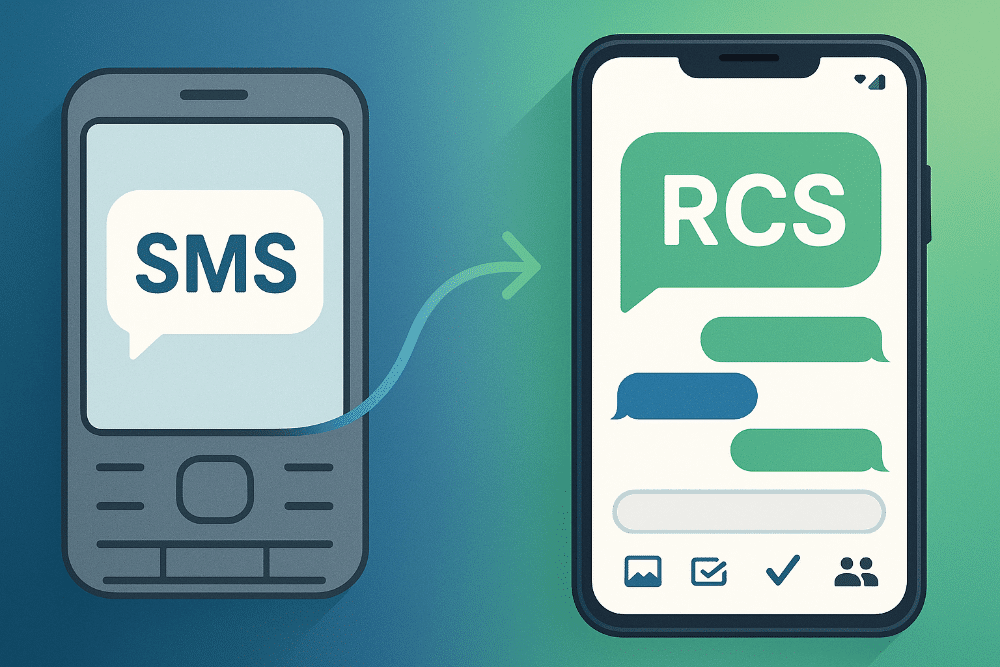
RCS vs SMS isn’t a winner-takes-all debate. Instead, it’s a channel matching problem. First, define engagement for the journey you’re running. Next, choose SMS for universal reach and simple actions. Then, choose RCS when visuals, buttons, and guided steps reduce friction. Finally, run a hybrid strategy with a clean fallback to gain richer engagement without losing scale.
If you build your program around relevance, timing, and respectful frequency, both channels can drive strong engagement. Moreover, when you measure outcomes by delivered format, you’ll know exactly where RCS earns its place and where SMS already carries the load.