
In most SMS campaigns, personalization improves engagement. However, some messages need something else first: speed. When a business must deliver an alert immediately, the priority shifts from tailored messaging to instant visibility. That is where flash SMS and instant alerts create value.
Flash SMS works best when timing matters more than tone, segmentation, or personalization. Instead of focusing on custom fields, targeted recommendations, or behavior-based messaging, it focuses on getting the message seen fast. Therefore, businesses use it when delays create risk, confusion, or missed action.
This matters because not every message fits a standard marketing workflow. A payment deadline, security warning, service outage, dispatch update, appointment change, or event alert often needs immediate attention. In those moments, a highly personalized message may add little value, whereas a fast, visible alert can solve the actual problem. As a result, businesses often prioritize speed over customization when urgency is the primary goal.
That does not mean personalization stops mattering. Rather, it means communication priorities change based on context. When the message is urgent, clear, and universal, the fastest effective delivery often matters more than personalization. Consequently, flash SMS becomes a practical tool for businesses that need direct communication when every second counts.
What Flash SMS Means In Practice
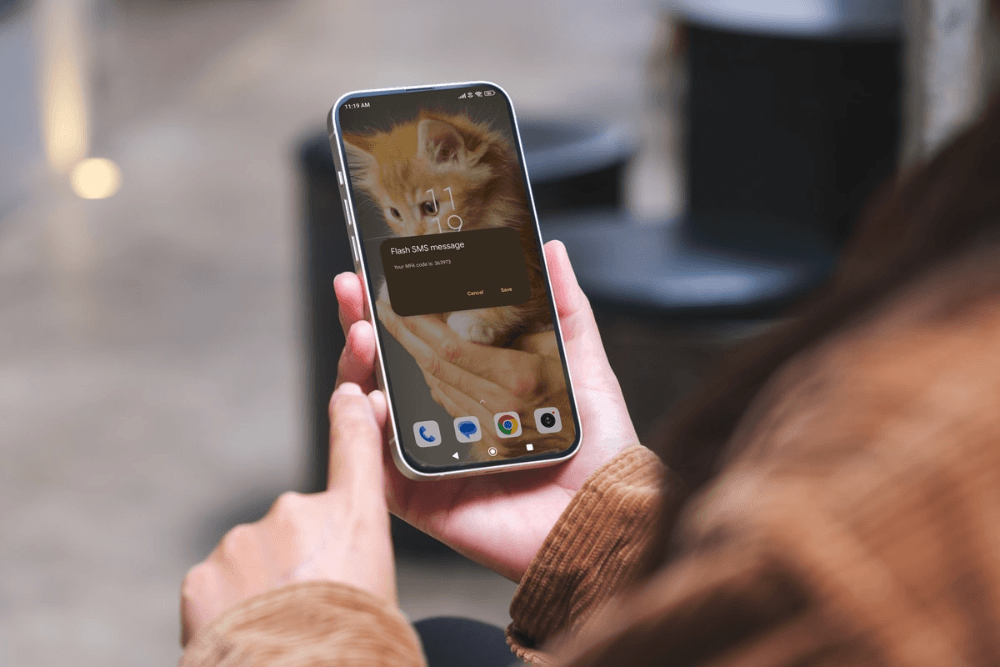
Flash SMS differs from standard promotional texting because it focuses on immediate visibility. In many use cases, the message appears directly on the recipient’s screen rather than waiting in the inbox like a regular SMS. Therefore, it grabs attention faster and creates a stronger sense of urgency.
That format makes flash SMS especially useful for important alerts. A business does not use it for routine newsletters, product recommendations, or long nurture sequences. Instead, it uses it for messages that customers, employees, drivers, or teams need to notice right away.
This distinction matters. Standard SMS often supports engagement and relationship building over time. Flash SMS, by contrast, supports fast awareness in moments when delay reduces value. As a result, businesses typically reserve it for high-priority communication rather than everyday outreach.
Why Speed Sometimes Matters More Than Personalization
Personalization helps when the goal is relevance. A customer is more likely to respond when the message reflects their preferences, history, or behavior. However, urgency changes the equation. If a message needs immediate attention, fast delivery, and strong visibility often matter more than personalized phrasing.
For example, a hospital alert about a schedule change, a bank warning about suspicious activity, or a logistics notice about a route disruption does not need a long personalized message. Instead, it needs clarity and speed. The recipient mainly needs to know what happened and what to do next. Therefore, adding layers of customization may slow the process without improving the outcome.
In these cases, businesses benefit more from sending one direct message quickly than from building a more tailored version slowly. Moreover, urgent messages often reach a broad audience at once, making personalization less important than consistent delivery.
Here is a simple comparison:
| Communication Goal | What Matters Most | Best SMS Approach |
|---|---|---|
| Urgent Alert | Speed and visibility | Flash SMS |
| Promotional Offer | Relevance and engagement | Personalized SMS |
| Service Reminder | Timing and convenience | Standard SMS |
| Security Warning | Immediate attention | Flash SMS |
| Lead Nurturing | Ongoing relationship building | Personalized SMS |
Where Flash SMS Adds The Most Value
Flash SMS delivers the most value when people need to notice a message immediately. Therefore, it works best in operational, transactional, and urgent communication rather than regular promotional campaigns.
Financial institutions may use it for fraud alerts, payment reminders, or one-time security warnings. Healthcare organizations may use it for urgent appointment changes, emergency notifications, or critical operational updates. Meanwhile, logistics companies may rely on it for dispatch changes, delivery disruptions, or urgent route instructions.
It also works well for internal business communication. Corporate teams can use flash SMS during system outages, office closures, security events, or time-sensitive workflow disruptions. In those cases, the business does not need polished promotional language. Instead, it needs people to see the message immediately and act.
Event teams, retailers, and service providers may also use instant alerts when conditions change quickly. For example, an event organizer may send a venue change alert, while a retailer may push a short-lived same-day pickup notice. In both cases, speed protects the customer experience.
How Flash SMS Supports Clearer Decision-Making
Speed alone is not enough. A fast alert only works when the message is also clear. That is why flash SMS performs best when the content stays simple, specific, and action-oriented.
A strong flash SMS answers three questions quickly. First, what happened? Second, why does it matter now? Third, what should the recipient do next? Because the format encourages brevity, businesses often write cleaner alerts that remove unnecessary detail. As a result, recipients can process the message quickly and respond with less hesitation.
This matters in high-pressure situations. When people face uncertainty, vague communication creates delays. However, a short, direct message can reduce confusion and support faster decision-making. Therefore, flash SMS helps not only with visibility but also with clearer action.
Common Business Use Cases For Flash SMS
Businesses use flash SMS across many industries, but the best use cases usually share one trait: time pressure. If waiting even a short time weakens the message, flash SMS often makes sense.
A few common use cases stand out. First, security and fraud alerts depend on immediate visibility. Second, system outage notifications help customers or employees react faster. Third, last-minute schedule changes work better when recipients see them instantly. Fourth, dispatch and field updates benefit from fast, direct delivery.
The table below shows where flash SMS fits best:
| Use Case | Why Flash SMS Works | Main Outcome |
|---|---|---|
| Fraud Alerts | Needs immediate visibility | Faster user response |
| Service Outages | Helps users adapt quickly | Reduced confusion |
| Appointment Changes | Prevents missed visits | Better coordination |
| Dispatch Updates | Reaches drivers fast | Faster adjustments |
| Emergency Team Alerts | Supports urgent action | Quicker response times |
When Personalization Still Matters
Although speed can take precedence over personalization in urgent messaging, personalization still matters in many other SMS strategies. Businesses should not treat flash SMS as a replacement for all texting. Instead, they should see it as a specialized tool for high-priority situations.
Personalization still works better when the goal involves conversion, retention, or customer engagement. A product recommendation, a re-engagement message, a birthday offer, or a lead nurture text benefits from relevance and context. In those cases, the customer responds not because the message is urgent, but because it feels meaningful.
Therefore, the best strategy is not to choose speed or personalization forever. It is knowing when each one matters most. Flash SMS fits urgent moments. Personalized SMS fits relationship-building moments. Businesses that understand that difference usually communicate more effectively across both scenarios.
Best Practices For Flash SMS And Instant Alerts
Businesses get the best results from flash SMS when they keep the message short, urgent, and easy to act on. First, they should reserve flash SMS for truly important alerts. If they overuse it, recipients may stop treating the messages as urgent.
Second, they should write clear, direct copy. Every word should support understanding. Therefore, the message should avoid promotional fluff, long introductions, or vague urgency.
Third, they should define one clear next step. A strong alert may tell the recipient to confirm, review, log in, reply, or take immediate action. Because the message is urgent, confusion should never slow the response.
Fourth, they should match the channel to the situation. Flash SMS works best when the communication must stand out immediately. If the message can wait or benefits from nuance, standard SMS may work better.
Here is a practical framework:
| Best Practice | Why It Matters |
|---|---|
| Use Only For High-Priority Messages | Protects urgency and trust |
| Keep Copy Brief And Clear | Improves understanding |
| Focus On One Action | Speeds response |
| Avoid Over-Personalizing | Preserves speed |
| Reserve For Time-Sensitive Moments | Keeps impact strong |
Common Mistakes To Avoid
Some businesses weaken the impact of flash SMS by using it too often. If every message feels urgent, recipients start ignoring the channel. Therefore, teams should protect flash SMS for moments that truly require instant visibility.
Another mistake is writing unclear alerts. A message that sounds urgent but fails to explain the next step can create more confusion than value. Likewise, adding unnecessary personalization can slow preparation without improving action.
Businesses also make mistakes when they treat flash SMS as a marketing tactic rather than an alert tool. While it can support campaigns in rare cases, it works best for operational, critical, and time-sensitive communication. As a result, success depends on using it selectively and with a clear purpose.
Final Thoughts
Flash SMS works best when speed, visibility, and immediate action matter more than personalization. It helps businesses reach people quickly, reduce confusion, and drive response in moments where delay creates risk or lost value.
More importantly, it gives organizations a clear way to communicate when timing becomes the main priority. While personalized SMS remains valuable for marketing and relationship-building, flash SMS serves a different role. It supports the urgent moments where attention must come first.
When businesses use flash SMS strategically, they do not just send faster messages. They create faster awareness, stronger response, and more reliable communication when every second matters.