

SMS marketing works best when it feels human. While one-way campaigns can still drive clicks and sales, they often stop short of real engagement. Customers receive the message, read the offer, and either act or ignore it. However, when brands invite replies and continue the conversation, SMS becomes much more powerful. Therefore, conversational SMS marketing has become a smarter way to build stronger customer relationships.
This shift matters because customer expectations have changed. People no longer want to hear from brands only when a promotion goes live. Instead, they want faster answers, easier interactions, and communication that feels relevant. As a result, businesses are moving away from broadcast-only texting and toward two-way messaging that supports dialogue.
Conversational SMS marketing does not mean every text must turn into a long exchange. Rather, it means campaigns should create room for response. A customer may reply with a question, confirm an interest, ask for details, or choose a preferred option. Then, the brand can guide the next step naturally. Consequently, the campaign becomes more useful, more responsive, and more likely to convert.
More importantly, two-way engagement improves more than short-term performance. It also builds trust, reveals customer intent, and creates opportunities for better follow-up. When brands treat SMS as a conversation rather than a loudspeaker, they often see higher-quality responses and stronger long-term loyalty.
Why One-Way SMS Campaigns Have Clear Limits
One-way campaigns still have value. They work well for flash sales, reminders, announcements, and urgent alerts. However, they also create a hard stop. The customer either clicks the link or does nothing. Therefore, the brand learns very little about intent when the customer does not take immediate action.
That limitation matters because many customers need more than a single message. They may have a question, want a different option, or need reassurance before they commit. Yet if the campaign only pushes an offer without inviting a reply, the conversation ends before it begins. As a result, the business may lose interest that could have turned into action.
One-way campaigns can also feel impersonal. Even when the message includes a name or product reference, it still behaves like a broadcast. Meanwhile, conversational campaigns feel more flexible because they make room for customer input. Consequently, they often create stronger engagement and better insight into what the customer actually wants.
What Conversational SMS Marketing Really Means
Conversational SMS marketing means using text messaging to start, guide, and continue a two-way interaction. Instead of only sending promotions or reminders, brands encourage customers to reply and then respond in a meaningful way. Therefore, the channel becomes interactive rather than purely promotional.
In practice, this may look simple. A brand might ask a customer to reply with a keyword, choose between options, request more information, or ask a question. Then, a team member or automated workflow can respond with the right next step. Because the interaction feels direct and immediate, the customer often stays engaged longer.
This approach works especially well because SMS already feels conversational by nature. People use texting every day with friends, family, and coworkers. So, when a business sends a short message that welcomes a reply, the interaction feels familiar. As a result, the customer experiences less friction and more control.
Why Two-Way Engagement Improves Results
Two-way SMS improves results by lowering the barrier between interest and action. A customer who is not ready to click a sales link may still reply with a quick question. Then, once the brand answers that question, the path to conversion becomes much easier. Therefore, conversational messaging captures value that one-way campaigns often miss.
It also improves message relevance. When customers respond, they reveal intent. They may say they want a different size, need appointment times, prefer another product category, or want more pricing details. As a result, the brand can tailor the next response rather than sending the same generic follow-up to everyone.
Additionally, two-way engagement builds trust. Customers notice when a business answers quickly and clearly. That responsiveness makes the brand feel more available and more helpful. Consequently, conversational SMS often supports not only conversions but also retention and satisfaction.
| SMS Approach | Main Strength | Main Limitation |
|---|---|---|
| One-Way Campaign | Fast reach | Limited customer feedback |
| Conversational SMS | Stronger engagement | Needs response planning |
| Automated Two-Way Flow | Scalable interaction | Requires good setup |
| Human-Led SMS | Personal support | Harder to scale alone |
How Brands Use Conversational SMS In Real Campaigns
Brands use conversational SMS in many ways, depending on the customer journey. In e-commerce, a campaign may ask shoppers whether they want product recommendations, restock alerts, or help choosing between options. In service businesses, a text may invite customers to confirm, reschedule, or ask questions before an appointment. In retail, a campaign may allow customers to reply with store hours, availability, or personalized offers.
Lead generation campaigns also benefit from conversation. Instead of sending a generic follow-up link, businesses can ask a simple qualifying question. For example, a lead may reply with a preferred location, budget range, or time frame. Then, the next message becomes more targeted and more useful. As a result, the brand learns more while keeping the lead engaged.
Conversational SMS also works well after a purchase. A business can ask whether the customer needs setup help, wants reorder reminders, or has feedback about the experience. Therefore, the channel supports not just acquisition but also post-purchase care and retention.
How Automation Supports Two-Way Messaging
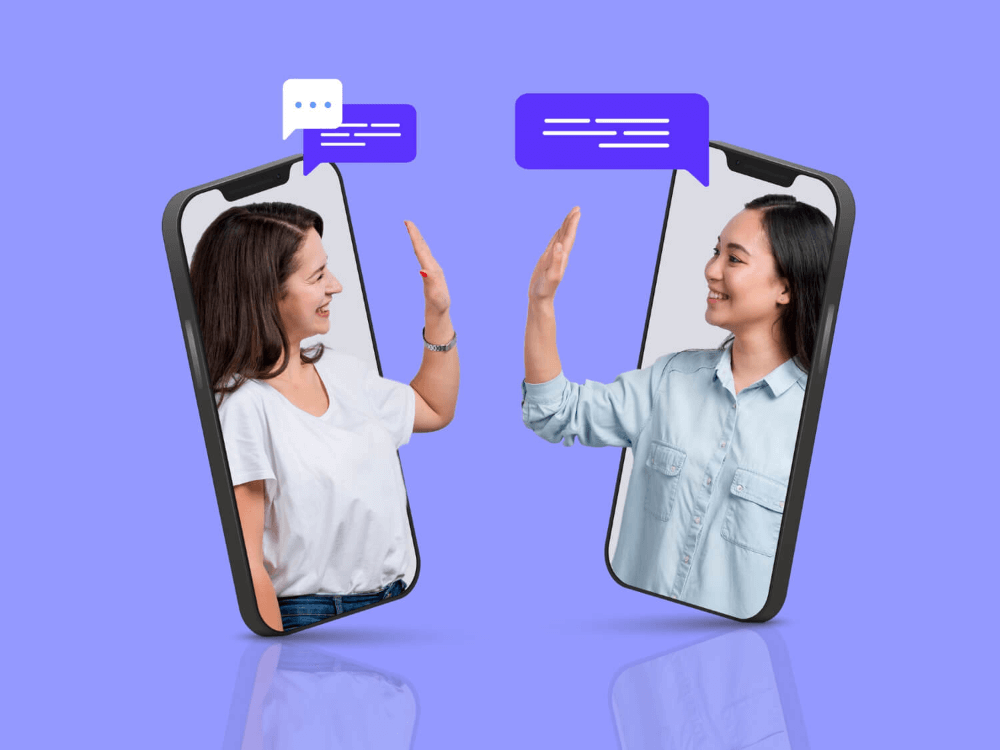
Conversation at scale requires structure. While human replies matter, automation often handles the first layer efficiently. For example, a campaign can trigger automatic responses based on keywords, choices, or common customer questions. Then, more complex inquiries can be routed to a support or sales team as needed.
This balance matters because customers expect speed. If a brand invites replies but takes too long to respond, the conversation loses momentum. However, with well-designed automation, the first response can arrive instantly. As a result, customers feel heard right away, and teams can focus on the higher-value interactions.
Still, automation should feel helpful, not robotic. The best conversational SMS flows use short, clear language and move people toward simple next steps. Therefore, brands should design automated replies that sound natural and useful rather than stiff or overly scripted.
What Makes A Conversational SMS Campaign Effective
A strong conversational SMS campaign starts with the right question or prompt. Customers need a reason to respond, and that reason should feel easy and worthwhile. Therefore, the opening message should focus on one clear action, such as replying with a choice, a keyword, or a question.
Timing also matters. If the text arrives while the customer is actively considering the offer, the likelihood of a response increases. Likewise, relevance matters because customers engage more when the message clearly connects to their needs or recent behavior. As a result, the best campaigns combine good timing, strong targeting, and a simple path to reply.
Follow-up matters just as much. Once a customer responds, the next message should help them move forward. If the brand replies slowly or with vague information, the value of the conversation drops quickly. Therefore, businesses should treat the reply experience as part of the campaign itself, not an afterthought.
| Best Practice | Why It Matters |
|---|---|
| Ask One Clear Question | Makes replies easier |
| Keep Messages Short | Improves readability |
| Respond Quickly | Maintains momentum |
| Use Smart Automation | Supports scale |
| Escalate When Needed | Improves customer experience |
Common Mistakes To Avoid
Some brands mistakenly call a campaign conversational when it does not truly support replies. If customers respond but receive no answer, the experience feels worse than a one-way campaign. Therefore, businesses should only invite engagement when they are ready to continue it.
Another mistake is asking too much in the first message. A complicated prompt can slow replies and reduce response rates. Likewise, over-automating every interaction can make the experience feel cold. As a result, brands should know where automation ends and human support begins.
Poor timing and weak segmentation also hurt performance. If the campaign reaches the wrong audience or arrives without context, even a well-written prompt may fail. Therefore, conversational strategy still depends on the same fundamentals as strong SMS marketing overall.
Why Conversational SMS Matters For Long-Term Growth
Conversational SMS helps brands build more than short-term clicks. It creates a communication channel where customers can ask, respond, clarify, and engage in real time. Therefore, the business gains stronger insight into customer needs while also creating a better experience.
Over time, this matters a great deal. Customers are more likely to trust brands that answer quickly and communicate clearly. They are also more likely to stay engaged when messaging feels useful rather than one-sided. Consequently, conversational SMS supports higher retention and better conversion rates.

Final Thoughts
Conversational SMS marketing turns texting into something more valuable than a broadcast channel. It helps brands create two-way engagement that feels faster, more relevant, and more human. As a result, campaigns do not stop at delivery. They continue into real interaction.
When businesses use SMS this way, they gain more than replies. They gain intent signals, better follow-up opportunities, and stronger customer relationships. Therefore, for brands that want more than one-way campaigns, conversational SMS offers a smarter path to engagement and growth.