
Business messaging no longer fits into a single box. While SMS once defined mobile communication, today’s brands can also use MMS and RCS to reach customers in richer and more interactive ways. Because each channel serves a different purpose, choosing the right one matters more than ever.
Many businesses struggle with this choice. They hear about RCS innovation, rely on SMS for reach, and experiment with MMS for visuals. However, without a clear framework, messaging becomes inconsistent, and results suffer.
This guide breaks down SMS, MMS, and RCS in practical terms. More importantly, it explains when to use each channel, how they work together, and how to build a future-proof messaging strategy.
Why Channel Choice Matters More Than Ever
Messaging feels personal. Customers read texts quickly and react emotionally. Therefore, the wrong format can create friction even when the offer is strong.
At the same time, customer expectations continue to rise. People want clarity, speed, and relevance. They also wish to have richer experiences when those experiences save time or effort.
Because of these pressures, channel choice directly affects engagement, trust, and conversion rates. Businesses that match the format to the moment outperform those that treat all messages the same.
SMS Explained: Strengths and Limitations
SMS remains the foundation of business messaging. It works on nearly every phone, across every carrier, and in almost every country. Because of this universal reach, SMS delivers unmatched reliability.
SMS works best for short, urgent, and transactional messages. Appointment reminders, delivery alerts, security codes, and simple promotions fit perfectly into this format. Customers expect these messages, so engagement remains high.
However, SMS has limits. It supports only text and links. It cannot display images, buttons, or branded layouts. Therefore, when the message relies on visual context or guided action, SMS alone may fall short.
MMS Explained: Strengths and Limitations
MMS builds on SMS by adding media. Images, GIFs, and sometimes short videos allow businesses to show rather than tell. Because visuals grab attention quickly, MMS often boosts engagement for product-driven campaigns.
Retail promotions, event announcements, menus, and before-and-after examples perform well with MMS. Visual context reduces hesitation and speeds decision-making.
However, MMS can cost more than SMS. Delivery behavior also varies by carrier and device. File size limits may affect quality. Therefore, MMS should be used when visuals truly improve outcomes.
RCS Explained: Strengths and Limitations
RCS represents the evolution of mobile messaging. It transforms the native messaging app into an interactive experience. Messages can include carousels, buttons, suggested replies, read receipts, and verified brand profiles.
Because of these features, RCS reduces friction. Customers can browse, select, confirm, or respond without leaving the conversation. This guided interaction improves conversion and support efficiency.
However, RCS does not yet match SMS in terms of universal reach. Availability depends on device, operating system, carrier, and region. Therefore, businesses must plan fallback paths to SMS or MMS.
Side-By-Side Comparison Table
| Feature | SMS | MMS | RCS |
|---|---|---|---|
| Reach | Nearly universal | Very high | Growing, not universal |
| Media support | Text only | Images, GIFs, limited video | Rich media, carousels, buttons |
| Interactivity | Low | Low | High |
| Branding | Limited | Limited | Strong (verified profiles, logos) |
| Cost | Lowest | Moderate | Varies by provider |
| Best for | Alerts, reminders, simple promos | Visual promotions | Guided journeys, support, commerce |
| Fallback needed | No | Rarely | Yes |
This comparison highlights an important truth. No single channel wins every scenario. Instead, each channel excels in specific moments.
When SMS Is the Right Choice
SMS works best when certainty matters more than creativity. If the message must reach everyone, SMS should lead.
Use SMS when you need speed and clarity. Transactional updates, appointment reminders, order notifications, and security alerts fit naturally. Simple promotions with one clear call to action also perform well.
Because SMS feels expected for these use cases, customers rarely push back. However, brands should keep copy concise and focused on one action.
When MMS Is the Right Choice
MMS shines when visuals sell the idea faster than words. If the image explains the value instantly, MMS adds power.
Use MMS for retail promotions, menus, event flyers, and product launches. A single strong image often outperforms paragraphs of text.
However, because MMS costs more and adds complexity, businesses should reserve it for moments where visuals directly increase conversions or engagement.
When RCS Is the Right Choice
RCS works best when interaction matters. If customers benefit from buttons, choices, or guided flows, RCS delivers a better experience.
Use RCS for product browsing, booking flows, surveys, customer support, and onboarding. The ability to act inside the message reduces friction and drop-off.
Because RCS adoption continues to grow, businesses should view it as an upgrade layer rather than a replacement for SMS.
Matching Channels to Common Use Cases
Cart recovery often starts with SMS for speed. However, MMS can add product imagery, while RCS can show abandoned items in a carousel with a checkout button.
Flash sales benefit from SMS urgency. Yet MMS adds visual impact, and RCS allows category selection without clicking away.
Customer support works well with RCS due to quick replies and structured flows. Still, SMS remains useful for confirmations and escalations.
Event messaging relies on SMS for reminders, MMS for maps or schedules, and RCS for agendas or session selection.
Loyalty programs use SMS for balance updates, MMS for branded rewards, and RCS for interactive redemption.
Using Multiple Channels Without Overwhelming Customers
Using more formats does not mean sending more messages. Coordination matters.
First, set SMS as the default backbone. Then, upgrade to MMS or RCS only when the experience improves meaningfully.
Second, apply frequency caps across all formats. Otherwise, customers will feel spammed regardless of channel variety.
Finally, keep messaging consistent. The promise in the message must match the experience after the click or interaction.
Measuring What Actually Matters
Channel choice should follow results, not trends. Businesses should track delivery rates, engagement, and conversion by format.
SMS success often shows in response speed. MMS success shows in click-through lift. RCS success is reflected in deeper interactions and reduced friction.
Over time, data reveals where richer formats earn their cost and where simplicity wins.
Building a Future-Proof Messaging Strategy
The smartest approach blends stability and innovation.
SMS remains the foundation because reach matters. MMS adds visual power where needed. RCS layers in interaction are supported.
This hybrid model adapts as technology evolves. As RCS expands, businesses can shift more experiences into richer formats without abandoning reliability.
Final Thoughts
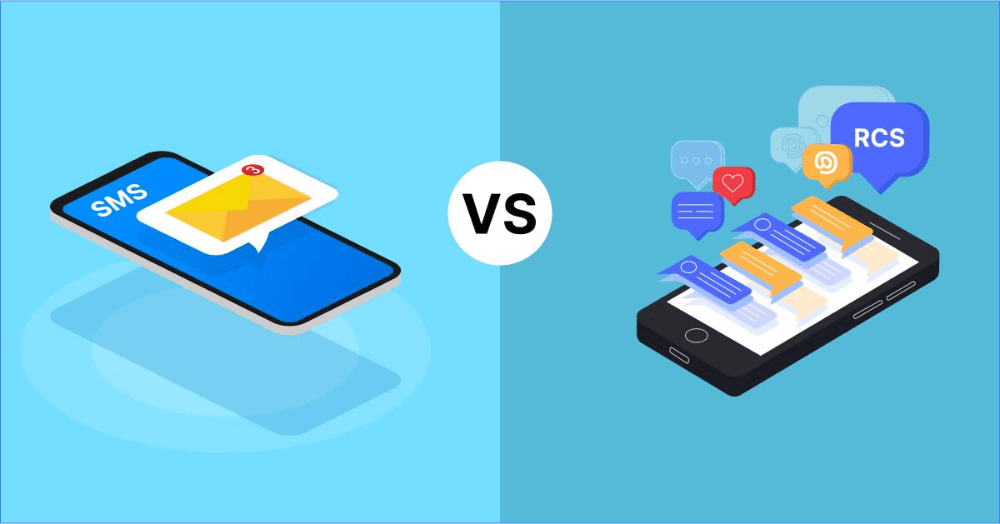
SMS, MMS, and RCS are not competitors. They are tools with different strengths.
SMS delivers reach and urgency. MMS delivers visual persuasion. RCS provides interactive experiences that guide action.
Businesses that choose intentionally, test continuously, and respect customer attention will outperform those chasing a single “best” channel.