
SMS marketing has already proven its value. It delivers speed, reach, and simplicity in a crowded digital landscape. However, the channel is not standing still. Technology, customer expectations, and regulations continue to evolve. Because of these changes, SMS marketing is entering a new phase.
The future of SMS marketing will look more conversational, more visual, and more intelligent. While traditional text messaging will remain important, emerging technologies like RCS and AI-powered messaging will expand what brands can do. At the same time, expectations around relevance, consent, and value will rise.
This article explores where SMS marketing is headed, the trends shaping its evolution, and how brands can prepare for what comes next.
Why SMS Still Has a Strong Future
Despite constant innovation, SMS remains one of the most reliable communication channels. It works on nearly every mobile device. It does not require apps or internet access. And it delivers messages instantly.
Because of this universality, SMS continues to outperform many newer channels in terms of reach and open rates. Customers trust it for important updates and timely alerts. Therefore, SMS has earned a permanent place in modern communication strategies.
However, trust also creates responsibility. As inboxes grow noisier, brands must use SMS more thoughtfully. The future will reward relevance and punish misuse.
The Shift from One-Way Messaging to Conversations
Early SMS marketing focused on one-way broadcasts. Brands sent offers. Customers clicked or ignored. That model still exists, but it no longer defines success.
Two-way messaging has changed expectations. Customers now want to reply, ask questions, and receive help instantly. Therefore, conversational SMS will continue to grow.
This shift pushes brands to think beyond campaigns. Instead, they must design experiences. Messaging becomes a dialogue rather than a megaphone.
As a result, support, sales, and marketing teams increasingly collaborate around SMS.
Personalization Will Become Non-Negotiable

Personalization already improves performance. In the future, it will become mandatory.
Customers now expect messages to reflect their behavior, preferences, and timing. Generic blasts will feel outdated and intrusive.
Therefore, segmentation and real-time triggers will play an even bigger role. Brands will rely more heavily on behavioral data to shape messaging journeys.
Additionally, personalization will extend beyond names. Context, intent, and moment will matter more than surface-level details.
When personalization feels natural, customers stay engaged. When it feels careless, they opt out.
Smarter Automation Will Replace Simple Scheduling
Automation has powered SMS growth. However, basic scheduled campaigns will no longer be enough.
The future favors intelligent automation. Messages will trigger based on behavior, predicted intent, and lifecycle stage. Timing will be adjusted dynamically rather than following fixed rules.
For example, AI-driven systems may delay or accelerate messages based on engagement signals. This adaptability will reduce fatigue and increase conversions.
As automation becomes smarter, brands must also become more disciplined. Automation should respond to customers, not overwhelm them.
The Growing Role of AI in SMS Marketing
AI is already influencing SMS marketing behind the scenes. In the future, its role will become more visible.
AI-powered messaging can optimize send times, personalize content at scale, and route conversations efficiently. It can analyze large datasets faster than human teams ever could.
For customer support, AI chat assistants can instantly handle common questions. For marketing, AI can test variations and learn what resonates.
However, AI should support humans, not replace them entirely. Empathy and judgment still matter. The best SMS programs will blend automation with human oversight.
AI-Driven Insights and Predictive Messaging

One of AI’s biggest contributions will come through prediction. Instead of reacting to behavior, brands will anticipate it.
Predictive models can identify customers likely to churn, buy, or disengage. SMS messages can then intervene at the right moment.
For example, a retention message may reach a customer just before interest fades. A replenishment reminder may arrive exactly when needed.
This proactive approach will define high-performing SMS programs in the coming years.
Understanding RCS and Why It Matters
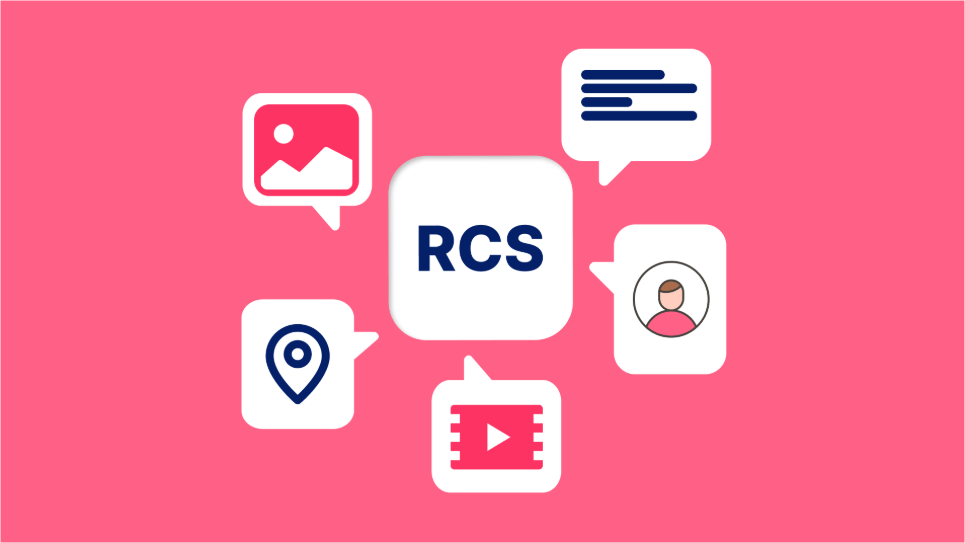
RCS, or Rich Communication Services, represents a major evolution in mobile messaging. It brings app-like features to native messaging apps.
With RCS, brands can send images, carousels, buttons, and branded experiences directly within messages. This capability bridges the gap between SMS and apps.
Unlike SMS, RCS supports richer interaction and verification. Messages can display brand logos, read receipts, and interactive elements.
Because of these features, RCS promises higher engagement and better experiences.
How RCS Changes Customer Expectations
As RCS adoption grows, customer expectations will shift. Rich visuals and interactivity will feel normal rather than novel.
Customers may expect to browse products, confirm appointments, or get support without leaving the messaging app. Therefore, static text-only experiences may feel limited in some contexts.
However, RCS will not replace SMS entirely. Coverage still varies by carrier and region. Therefore, brands must plan for hybrid strategies.
Flexibility will matter. Brands should use RCS where available and fall back to SMS when needed.
RCS Versus SMS: Coexistence, Not Competition
RCS and SMS serve different purposes. SMS offers unmatched reach and reliability. RCS offers richer engagement when supported.
In the future, successful brands will combine both. They will deliver essential messages via SMS and enhance experiences via RCS.
This layered approach ensures inclusivity without sacrificing innovation.
Because customer devices and carriers differ, adaptability will define success.
Security, Trust, and Verified Messaging
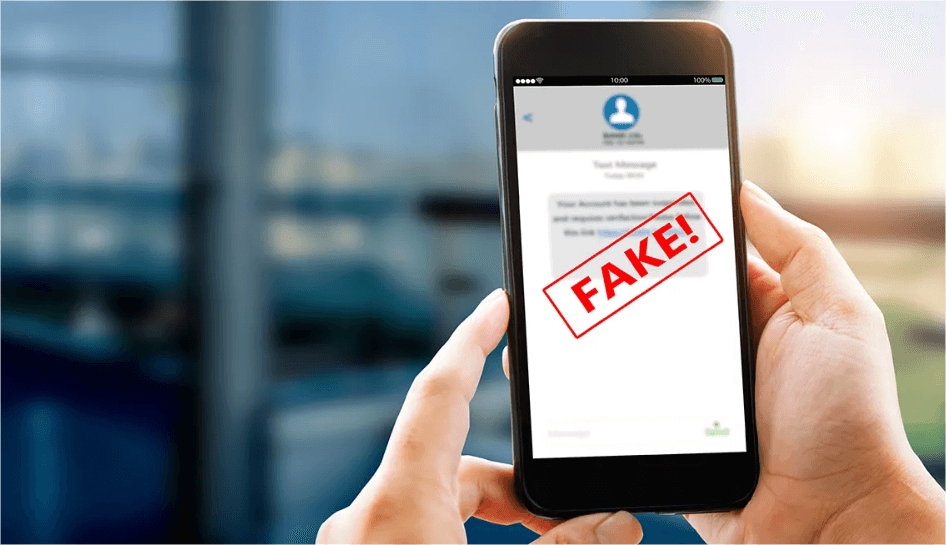
Trust will play an even larger role in the future of SMS marketing. Scam messages and spam continue to rise. Customers grow more cautious.
Verified sender IDs, brand profiles, and authentication features will become standard. RCS already supports many of these elements.
For SMS, regulations and carrier rules will tighten further. Brands must maintain clean lists, clear consent, and consistent identification.
Trust will no longer be optional. It will directly impact deliverability and engagement.
Privacy and Consent Will Shape the Future
Privacy expectations continue to rise. Customers want control over how brands use their data.
As personalization and AI expand, transparency will matter more than ever. Brands must explain how they collect and use information.
Consent practices will also evolve. Clear opt-ins, preference centers, and message-type controls will become more common.
Brands that respect privacy will gain loyalty. Brands that ignore it will lose access.
SMS as Part of a Broader Messaging Ecosystem
The future of SMS does not exist in isolation. Messaging channels increasingly work together.
SMS, RCS, WhatsApp, in-app messaging, and email will coordinate around the customer journey. The goal will remain consistency rather than volume.
For example, SMS may handle alerts and urgency. RCS may handle browsing and interaction. Email may handle long-form content.
Integration will define effectiveness. Silos will limit growth.
Measuring Success in a More Advanced SMS World
As messaging grows more complex, measurement must keep pace.
Future metrics will go beyond clicks and conversions. Engagement depth, response quality, and journey completion will matter more.
AI tools will help analyze these signals. However, strategy will still guide interpretation.
Brands must balance data with empathy. Numbers tell stories, but context explains them.
Preparing for the Future Today
Brands do not need to adopt every new technology immediately. However, they should prepare.
This preparation includes cleaning data, strengthening consent practices, and improving segmentation. It also includes choosing platforms that support future capabilities.
Teams should also develop skills around conversational design and automation logic.
Preparation ensures adaptability when change accelerates.
Common Pitfalls to Avoid Moving Forward
As SMS evolves, some mistakes will persist. Over-automation remains a risk. Over-personalization may cross boundaries. Overuse may erode trust.
Brands must remember that messaging remains personal. Technology should enhance respect, not replace it.
Avoiding these pitfalls will separate sustainable programs from short-lived ones.
Final Thoughts
The future of SMS marketing looks dynamic, intelligent, and conversational. Trends like AI-powered messaging and RCS will expand what brands can do, while expectations around relevance and trust will rise.
SMS will not disappear. Instead, it will evolve into a smarter, more integrated channel within a broader messaging ecosystem.
Brands that focus on value, consent, and adaptability will thrive. Those who chase novelty without purpose will struggle.
Ultimately, the future of SMS marketing belongs to brands that listen first, communicate clearly, and respect the space they enter.