
Automation has changed how brands communicate. Customers expect timely, relevant messages without delays or repetition. However, automation alone does not guarantee results. In SMS marketing, poorly designed automation often leads to fatigue rather than conversions.
Automated SMS drip campaigns solve this problem when built correctly. They deliver the right message at the right time based on behavior, intent, and context. Because SMS feels personal and immediate, drip campaigns must feel thoughtful rather than robotic.
This guide explains how to build automated SMS drip campaigns that convert. More importantly, it shows how to design sequences that respect attention, build trust, and drive action over time.
What Is an Automated SMS Drip Campaign
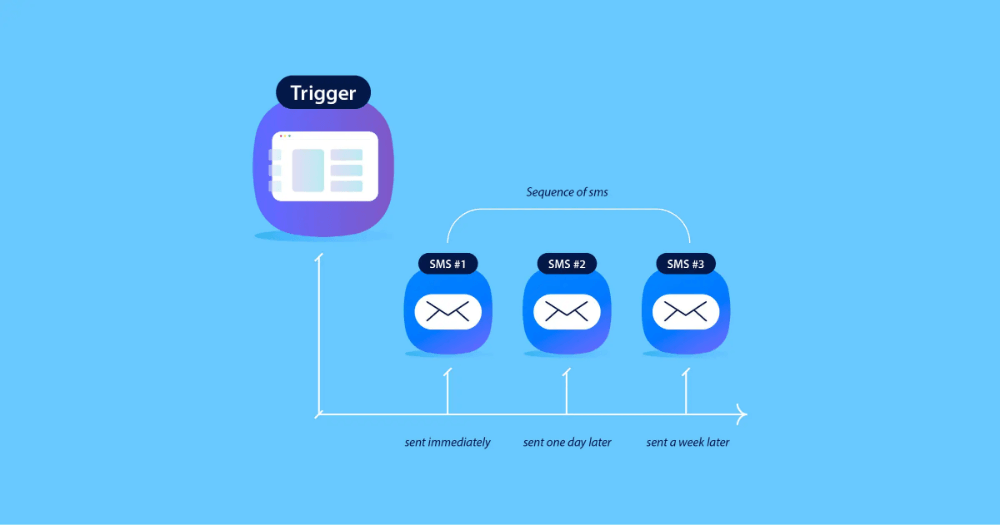
An automated SMS drip campaign sends a series of pre-written messages based on triggers or timing. Instead of blasting everyone at once, brands guide subscribers through a journey.
These campaigns often support onboarding, lead nurturing, cart recovery, re-engagement, or retention. Each message builds on the previous one. Therefore, sequencing matters as much as copy.
Because SMS messages arrive instantly, drip campaigns must feel intentional. Random or poorly timed messages quickly erode trust.
Why SMS Drip Campaigns Convert So Well
SMS drip campaigns convert because they align with behavior. Instead of guessing when to send messages, automation responds to actions.
For example, when someone signs up, an onboarding drip can introduce value gradually. When someone abandons a cart, a recovery drip can nudge them back at the right moment.
Additionally, SMS enjoys high visibility. Most texts get read quickly. Therefore, well-timed drips often outperform email sequences.
However, this visibility increases responsibility. Each message must earn its place.
Defining the Goal Before Building the Campaign
Every effective drip campaign starts with a clear goal. Without direction, messages feel disconnected and confusing.
Goals may include driving first purchases, reducing churn, increasing repeat orders, or educating new subscribers. Each goal shapes message content, timing, and length.
For example, an onboarding drip focuses on education and reassurance. A reactivation drip focuses on urgency and incentives.
When the goal stays clear, every message serves a purpose.
Choosing the Right Trigger for Your Drip Campaign
Triggers decide when a drip begins. Choosing the right trigger determines relevance.
Common triggers include signup, purchase, cart abandonment, inactivity, or event registration. These moments indicate intent or need.
Behavioral triggers work best because they reflect real actions. Time-based triggers can support structure but should still align with context.
When triggers match intent, messages feel timely rather than intrusive.
Mapping the Customer Journey
Before writing messages, map the journey. Understand what the subscriber feels at each stage.
Ask what questions they have. Consider what objections may arise. Think about the next action you want.
For example, a new subscriber may wonder what to expect. A hesitant buyer may worry about price or trust. A lapsed customer may need a reminder of value.
Mapping these stages helps create a logical flow that builds momentum.
Designing the Ideal SMS Drip Length
SMS drip campaigns should stay short and focused. Unlike email, SMS does not support long sequences.
Most high-performing SMS drips include three to five messages. This range allows progression without overload.
However, the right length depends on the goal. Onboarding may require more education. Cart recovery may need fewer touches.
Always prioritize quality over quantity. Fewer relevant messages outperform longer sequences.
Writing Copy That Feels Human
Automation should never feel robotic. Copy must sound conversational and clear.
Short sentences work best. Simple language improves clarity. Direct calls to action reduce confusion.
Additionally, each message should focus on one idea. Multiple offers or actions dilute impact.
When copy feels human, automation feels supportive rather than intrusive.
Sequencing Messages for Maximum Impact
Sequence matters. The first message sets expectations. The second builds value. The final creates urgency or closure.
For example, an onboarding drip may start with a welcome. Then it explains the benefits. Finally, it encourages the first action.
A cart recovery drip may start with a reminder. Then it adds reassurance. Finally, it introduces urgency or incentive.
Logical progression keeps subscribers engaged and reduces drop-off.
Timing Each Message Carefully
Timing can make or break a drip campaign. Messages sent too close together come across as aggressive. Messages sent too far apart lose momentum.
For onboarding drips, spacing messages over several days works well. For cart recovery, hours matter more than days.
Always consider the subscriber’s mindset. Send messages when action feels reasonable.
Testing timing variations often reveals small changes that produce big gains.
Using Personalization Inside Drip Campaigns

Personalization increases relevance. Even simple personalization improves performance.
Using a first name adds warmth. Referencing recent behavior adds context. Mentioning products or locations adds clarity.
However, personalization should remain subtle. Overly detailed references can feel invasive.
When personalization supports the message, engagement improves naturally.
Segmenting Drip Campaigns for Better Results
Not all subscribers should be placed in the same drip. Segmentation improves relevance before personalization even begins.
For example, new customers and returning customers need different onboarding flows. High-value users may deserve different messaging than casual users.
Segmenting entry points prevents mismatched messaging. It also reduces fatigue.
When segmentation aligns with intent, drip campaigns convert more consistently.
Using Automation Rules to Prevent Over-Messaging
One risk of automation involves overlap. Subscribers may qualify for multiple drips at once.
Automation rules should prevent this. For example, completing a purchase should remove someone from a cart recovery drip.
Frequency caps also matter. Even automated messages should respect limits.
Clear rules protect experience and trust.
Balancing Value and Promotion in Drips
Drip campaigns should not feel like constant selling. Value must lead.
Educational tips, reminders, and reassurance build trust. Promotions should support rather than dominate.
For example, an onboarding drip may include one promotional message at the end. A loyalty drip may focus on rewards rather than discounts.
When value comes first, conversions follow.
Monitoring Performance at Each Step
Drip campaigns produce step-by-step data. Use it.
Track delivery, clicks, conversions, and opt-outs per message. Identify where engagement drops.
If the second message underperforms, review timing or copy. If opt-outs spike, reassess frequency or value.
This granular insight makes drips easier to optimize than one-off campaigns.
Testing and Optimizing Drip Campaigns
No drip campaign starts perfectly. Testing improves results over time.
Test copy variations. Test timing gaps. Test sequence length.
Even small changes can significantly affect conversions.
Regular optimization keeps campaigns aligned with evolving behavior.
Ensuring Compliance and Consent
Automation does not remove compliance responsibility. Consent must remain clear.
Subscribers should know they will receive automated messages. Opt-out instructions must appear consistently.
Automation systems should process opt-outs immediately.
Respecting consent protects trust and deliverability.
Common Mistakes to Avoid
Many brands over-automate. They send too many messages. Or they ignore context.
Others forget to update drips as offers or products change. Stale content reduces credibility.
Avoid these mistakes by reviewing campaigns regularly and prioritizing relevance.
Scaling SMS Drip Campaigns Over Time
As programs grow, complexity increases. Scaling requires structure.
Document goals, triggers, and sequences. Maintain naming conventions. Review overlaps regularly.
Strong foundations make expansion easier and safer.
Final Thoughts
Automated SMS drip campaigns convert because they align timing, relevance, and intent. They guide subscribers rather than push them.
When built thoughtfully, drips feel helpful rather than promotional. They save time while improving results.
The key lies in respect. Respect attention. Respect timing. Respect context.
Brands that follow these principles turn automated SMS drip campaigns into one of their most reliable conversion engines.