
Events succeed or fail based on communication. Attendees need reminders. They need updates. And they need guidance at exactly the right moment. Because attention is limited and schedules shift quickly, email alone often falls short. SMS fills that gap with speed and clarity.
Text messages reach attendees where they already pay attention. They feel immediate. They feel personal. And they prompt action without friction. When used thoughtfully, SMS becomes a powerful tool for driving attendance, increasing engagement, and strengthening post-event relationships.
This guide explores how event organizers can use SMS across the full event lifecycle. More importantly, it shows how to use SMS in a way that respects attendees while delivering measurable results.
Why SMS Works So Well for Events
Events involve urgency and movement. Attendees register weeks in advance. However, they make final decisions much closer to the event date. Because of this gap, communication must remain timely and relevant.
SMS works because it delivers messages instantly. Most people read texts within minutes. Therefore, reminders and updates reach attendees before plans change.
Additionally, SMS feels less crowded than email inboxes, which often overflow. Text inboxes stay quieter. As a result, event messages stand out more clearly.
Because events depend on timing, SMS naturally fits the use case.
Using SMS to Drive Event Registrations
Event promotion often starts with email, social, or paid media. SMS should support these channels rather than replace them.
For example, once someone shows interest or registers, SMS can reinforce commitment. A short confirmation text reassures attendees that their spot is secured.
Additionally, SMS reminders can nudge undecided registrants to complete sign-up. A message like “Registration closes tonight” creates urgency without pressure.
When SMS supports registration moments, conversion rates often improve.
Reducing No-Shows with Pre-Event Reminders
No-shows hurt event ROI. They affect seating, staffing, and energy. Therefore, reducing no-shows remains a top priority.
SMS reminders perform exceptionally well because they arrive close to the event. A reminder sent one week before builds anticipation. Another sent one day before reinforces plans. A final reminder on the day of the event reduces the likelihood of forgetting.
However, restraint matters. Too many reminders feel excessive. The goal is to support, not annoy.
When reminders feel helpful, attendance rises.
What to Include in Event Reminder Texts
Effective reminder texts stay clear and concise. They should include the event name, date, time, and location. Adding a calendar link or directions can further reduce friction.
For virtual events, reminders should include access details or login instructions. This clarity prevents last-minute confusion.
Additionally, including a simple confirmation option helps organizers gauge attendance. For example, “Reply YES if you’re coming” creates engagement and insight.
Because SMS space is limited, clarity always beats creativity.
Using SMS for Last-Minute Updates and Changes
Event plans change—weather shifts. Speakers cancel. Locations update. Communication speed matters during these moments.
SMS allows organizers to notify attendees immediately. A clear message explaining the change reduces frustration and confusion.
Because texts arrive instantly, attendees feel informed rather than surprised. This transparency builds trust even when things go wrong.
When used responsibly, SMS serves as both a crisis management tool and a marketing channel.
Enhancing On-Site Engagement with SMS
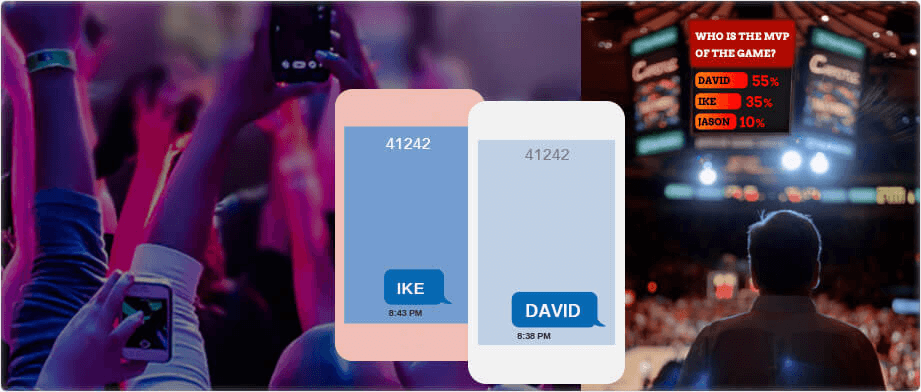
Once the event starts, SMS can support engagement without disrupting the event. Attendees already carry phones. Therefore, SMS fits naturally into the experience.
Organizers can send agenda reminders, session start alerts, or room changes via text. These messages keep attendees informed without requiring apps or printed schedules.
Additionally, SMS can prompt participation. Polls, Q&A links, or feedback requests delivered via text increase interaction.
Because messages stay short, they complement rather than interrupt the event.
Using SMS for Check-In and Access
Check-in lines frustrate attendees. SMS can help streamline access.
For example, sending QR codes or entry instructions via SMS speeds up entry. Attendees arrive prepared. Staff processes faster.
For virtual events, SMS can deliver login links at the right moment. This reduces technical issues and late arrivals.
When check-in feels smooth, the event starts on a positive note.
Driving Sponsor and Vendor Engagement Through SMS
Sponsors and vendors invest in events to gain visibility and interact with attendees. SMS can help deliver that value.
Organizers can share sponsor highlights, booth reminders, or special offers through SMS. These messages drive foot traffic to sponsor areas.
However, balance matters. Attendees should not feel overwhelmed by promotions. Therefore, sponsor messages should remain limited and relevant.
When done well, SMS enhances sponsor ROI without harming attendee experience.
Using SMS to Encourage Networking
Networking often defines event value. However, attendees may hesitate to engage.
SMS can prompt networking moments. For example, a text encouraging attendees to visit a networking lounge or join a breakout session creates movement.
Additionally, SMS can share links to attendee directories or event apps. These prompts help attendees connect more easily.
Because networking drives satisfaction, SMS plays a subtle but valuable role.
Collecting Feedback During the Event
Real-time feedback improves experience. SMS makes input easy.
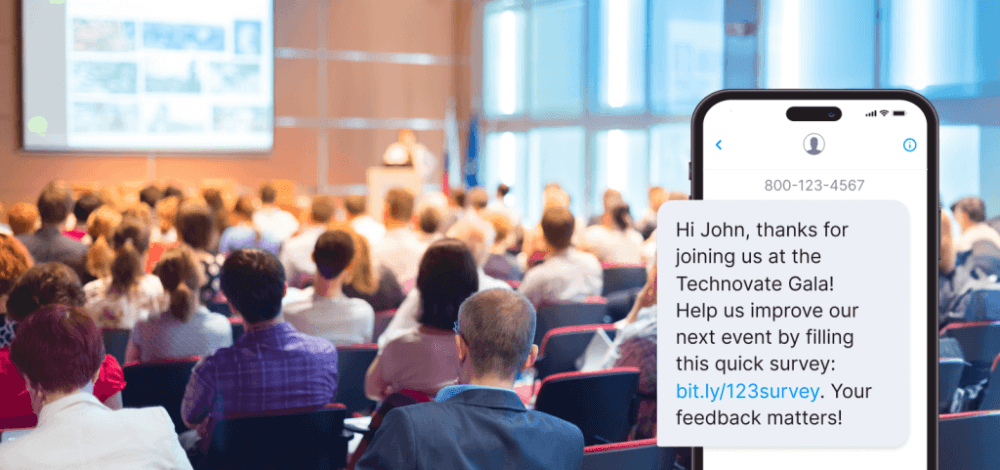
Short survey links or rating requests sent during or immediately after sessions capture fresh impressions. Because messages arrive instantly, response rates stay high.
For example, “How was the keynote? Rate 1–5 here” feels quick and respectful.
This feedback allows organizers to adjust in real time or improve future events.
Using SMS for Post-Event Follow-Ups
The event does not end when attendees leave. Follow-up communication determines long-term impact.
SMS thank-you messages arrive while the experience stays fresh. They show appreciation and professionalism.
Follow-ups can also share resources, recordings, or next steps. These messages extend value beyond the event day.
Because SMS feels personal, post-event engagement often improves when texts supplement email follow-ups.
Driving Future Engagement and Conversions
Events often serve as entry points into longer relationships. SMS helps nurture those connections.
For example, a post-event message can invite attendees to upcoming events, content, or communities. Because trust already exists, engagement stays strong.
However, follow-up messages should remain relevant. Over-promotion weakens goodwill built during the event.
When SMS focuses on value, long-term engagement grows naturally.
Segmenting SMS Audiences for Events
Not all attendees share the same needs. Speakers, VIPs, first-time attendees, and sponsors require different communication.
Segmenting SMS lists improves relevance. VIPs may receive exclusive updates. Speakers may receive logistical reminders. General attendees may receive agenda alerts.
This segmentation reduces noise and increases satisfaction.
Because SMS feels personal, relevance matters even more.
Timing and Frequency Best Practices for Event SMS
Timing defines success. Messages sent too early feel forgettable. Messages sent too late feel stressful.
Pre-event reminders should cluster closer to the event date. On-site messages should align with real-time needs. Post-event messages should arrive within a day or two.
Frequency should remain limited. Each message should serve a clear purpose.
By respecting attention, organizers protect engagement.
Compliance and Consent Considerations
Consent remains essential. Attendees must opt in to receive texts.
Opt-in language should explain what messages will include. Operational messages feel expected. Promotional messages should stay optional.
Opt-out options must remain easy. Respecting preferences protects trust and compliance.
Measuring SMS Success for Events
Metrics reveal effectiveness. Attendance rates, no-show reductions, engagement responses, and feedback completion all matter.
Tracking link clicks and reply rates helps refine timing and copy.
However, qualitative feedback also matters. Attendee replies often reveal insights that numbers miss.
Avoiding Common SMS Mistakes in Events
Some organizers send too many messages. Others send vague updates. Some fail to respond to attendee replies.
These mistakes erode trust quickly. Because SMS feels personal, attendees react strongly.
Avoiding these pitfalls requires planning, coordination, and restraint.

Final Thoughts
SMS has become a critical tool for modern events. It drives attendance, supports engagement, and strengthens follow-ups when used thoughtfully.
By focusing on timing, relevance, and clarity, event organizers can use SMS to enhance experiences rather than interrupt them.
When SMS supports attendees before, during, and after the event, it becomes more than a reminder tool. It becomes a communication backbone that helps events run smoothly and leaves a lasting impression.