
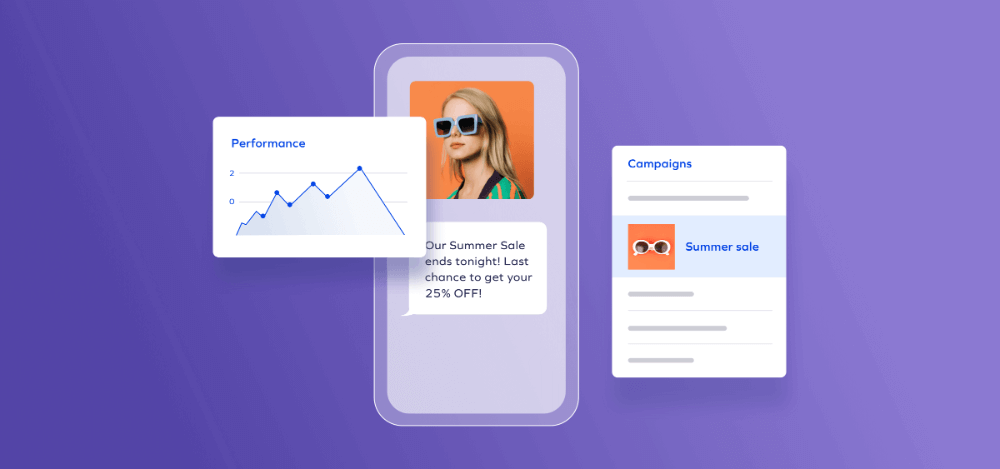
E-commerce moves fast. Shoppers browse quickly, compare prices instantly, and abandon carts without hesitation. Because of this behavior, brands need channels that respond just as quickly. SMS marketing better meets that need than almost any other tool.
Text messages reach customers instantly. They show up where attention already lives. And they prompt action without friction. When used strategically, SMS becomes a revenue driver rather than just a notification channel.
This guide explores how e-commerce brands use SMS for cart recovery, flash sales, product launches, and long-term retention. More importantly, it explains how to do it without overwhelming customers or damaging trust.
Why SMS Works So Well For E-Commerce
E-commerce depends on timing. Customers often make purchases during short decision windows. If a message arrives too late, the sale disappears.
SMS solves this problem because it delivers messages immediately. Customers usually read texts within minutes. Therefore, SMS aligns perfectly with impulse buying and time-sensitive offers.
Additionally, SMS feels personal. Shoppers expect order updates, alerts, and reminders via text. Because of this expectation, marketing messages can also feel natural when they provide clear value.
As a result, SMS integrates smoothly into the e-commerce journey.
Using SMS For Cart Recovery
Cart abandonment remains one of the biggest challenges in e-commerce. Customers browse, add items, then leave for countless reasons. Distractions, price comparisons, or second thoughts often interrupt the purchase.
SMS cart recovery works because it reconnects with shoppers at the right moment. A short reminder brings the cart back to mind. A clear link removes friction. And a gentle nudge often pushes the decision forward.
Timing matters here. Messages sent too quickly feel aggressive. Messages sent too late lose relevance. Many brands see strong results by sending the first reminder within one to two hours after abandonment.
Additionally, the copy should stay helpful rather than pushy. Phrases like “You left something behind” feel supportive. Adding small incentives, such as free shipping, can increase recovery without eroding margins.
Improving Cart Recovery With Sequenced Messages
One message does not fit every shopper. Therefore, sequencing improves results.
A first message can act as a reminder. A second message can add urgency or reassurance. A third message, used sparingly, can offer a limited incentive.
However, restraint matters. Too many reminders frustrate customers and drive them to opt out. Because SMS tolerance remains low, brands should carefully limit the use of cart recovery sequences.
When sequencing feels thoughtful, recovery rates rise without harming list health.
Driving Flash Sales With SMS
Flash sales thrive on urgency. They depend on speed, visibility, and clear calls to action. SMS delivers all three.
When brands announce flash sales via text, customers see the offer immediately. There is no algorithm delay. There is no inbox clutter. As a result, engagement spikes quickly.
SMS works especially well for short sales windows. A message sent at launch creates momentum. A reminder near the end reinforces urgency.
However, flash sales require honesty. False urgency damages trust fast. Therefore, brands should only use SMS for real-time, time-bound offers.
When urgency feels real, customers respond enthusiastically.
Using SMS For Early Access And VIP Offers
Exclusivity drives loyalty. SMS lists often include a brand’s most engaged customers. Therefore, early access offers work particularly well through text.
Brands can reward subscribers with first access to sales, limited products, or special bundles. These perks reinforce the value of staying subscribed.
Moreover, early access SMS messages often convert at higher rates because recipients feel recognized and prioritized.
However, brands must protect this exclusivity. Overusing “VIP” language weakens impact. When used sparingly, it strengthens loyalty.
Launching Products With SMS
Product launches benefit from clarity and excitement. SMS supports both when used alongside email and social channels.
An email can explain features and benefits. Social can build anticipation. SMS can deliver the moment of action.
For example, an SMS can announce that a product is live. It can share a direct link. It can highlight limited inventory. This timing helps capture early demand.
Additionally, SMS can support launch reminders for customers who have shown prior interest. These messages feel timely and relevant rather than promotional.
Sending Back-In-Stock Alerts
Back-in-stock alerts are among the highest-intent SMS use cases. Customers explicitly ask for these messages. Therefore, engagement stays strong.
When inventory returns, speed matters. Products often sell out again quickly. SMS ensures that customers know immediately.
Because these messages meet a clear customer request, they rarely cause opt-outs. Instead, they build trust and drive fast conversions.
As a result, back-in-stock alerts often deliver some of the highest ROI in e-commerce SMS programs.
Supporting Orders And Shipping Updates
Transactional messages form the backbone of SMS in e-commerce. Order confirmations, shipping updates, and delivery alerts reduce anxiety and support trust.
While these messages are not promotional, they shape the overall SMS experience. Clear, timely updates make customers more receptive to future marketing texts.
Additionally, transactional SMS messages reinforce brand reliability. Customers feel informed and supported throughout the fulfillment process.
As a result, strong transactional messaging improves long-term engagement across all SMS campaigns.
Increasing Repeat Purchases With SMS
Retention matters as much as acquisition. SMS supports retention by staying present without being overwhelming.
Post-purchase follow-ups, replenishment reminders, and loyalty updates all work well through SMS. These messages arrive at moments when customers already think about the brand.
For example, a refill reminder timed to product usage feels helpful. A loyalty reward alert encourages repeat visits. These touches strengthen the relationship.
However, relevance remains critical. Messages must align with customer behavior and timing. When they do, repeat purchase rates rise.
Segmenting SMS Campaigns For Better Results
Segmentation transforms SMS from a broadcast channel into a precision tool. Not all shoppers want the same messages.
E-commerce brands can segment customers based on purchase history, browsing behavior, cart activity, or engagement level. This segmentation improves relevance and reduces fatigue.
For example, frequent buyers may welcome early access messages. New subscribers may need onboarding content. Lapsed customers may respond to reactivation offers.
By aligning messages with intent, brands increase conversions while protecting trust.
Integrating SMS With Email And Paid Media
SMS works best when integrated with other channels. It should not replace email or paid media. Instead, it should amplify them.
Email provides depth. Paid media drives discovery. SMS activates intent.
For instance, an email can announce a sale. Paid ads can attract traffic. SMS can remind interested customers when the sale ends.
This orchestration improves results across channels without increasing noise.
Measuring SMS Performance In E-Commerce
Measurement ensures sustainability. Key metrics include click-through rates, conversion rates, opt-outs, and revenue per message.
Cart recovery performance reveals timing effectiveness. Flash sale performance reveals urgency alignment. Opt-out trends reveal trust levels.
By regularly reviewing these metrics, brands can refine their strategy and avoid burnout.
Data-driven iteration keeps SMS profitable over time.
Avoiding Common E-Commerce SMS Mistakes
Many e-commerce brands overuse SMS during promotions. They send too frequently. They reuse generic copy. Or they ignore segmentation.
These mistakes reduce engagement quickly. Because SMS feels personal, customers respond faster to misuse.
To avoid these issues, brands should prioritize value, timing, and restraint. Fewer, better messages outperform frequent blasts.

Final Thoughts
SMS marketing gives e-commerce brands a powerful advantage. It delivers speed, relevance, and action in a crowded digital landscape.
When used for cart recovery, flash sales, launches, and retention, SMS drives measurable revenue. However, success depends on respect for the channel and the customer.
Brands that focus on timing, clarity, and value build SMS programs that scale sustainably. Over time, these programs turn casual browsers into loyal customers and occasional shoppers into repeat buyers.