
SMS marketing delivers fast results. However, even the best message fails when it arrives at the wrong time or too often. Because SMS lives in a personal space, timing and frequency directly affect trust, engagement, and conversions.
Many brands focus heavily on copy and offers. Yet timing often decides success or failure. Please send a message too early, and it feels intrusive. Send it too late, and the moment passes. Send too many, and subscribers leave.
This guide explains when to send marketing texts, how often to send them, and how to adjust timing based on audience behavior. More importantly, it shows how to respect subscribers while still driving strong results.
Why Timing Matters More In SMS Than Other Channels
SMS feels different from email or social media. Texts interrupt. They demand attention. And they often get read immediately. Because of this, customers react emotionally to timing before they react to content.
When timing feels considerate, messages feel helpful. However, when timing feels careless, messages feel invasive. As a result, timing shapes perception just as much as copy does.
Additionally, SMS campaigns often target high-intent moments. These moments lose value quickly. Therefore, precise timing increases relevance and conversion rates.
Understanding How People Read Text Messages
People read texts in short bursts throughout the day. They check messages during breaks, commutes, and small pauses between tasks. Because of this behavior, certain time windows consistently outperform others.
However, people also protect their personal time. Early mornings, late nights, and busy hours often trigger negative reactions. So, successful SMS timing balances attention with respect.
Understanding this rhythm helps marketers align messages with real human behavior rather than assumptions.
General Best Times To Send Marketing Texts
While every audience differs, patterns emerge across industries. Late morning and early afternoon often perform well because people feel settled into their day.
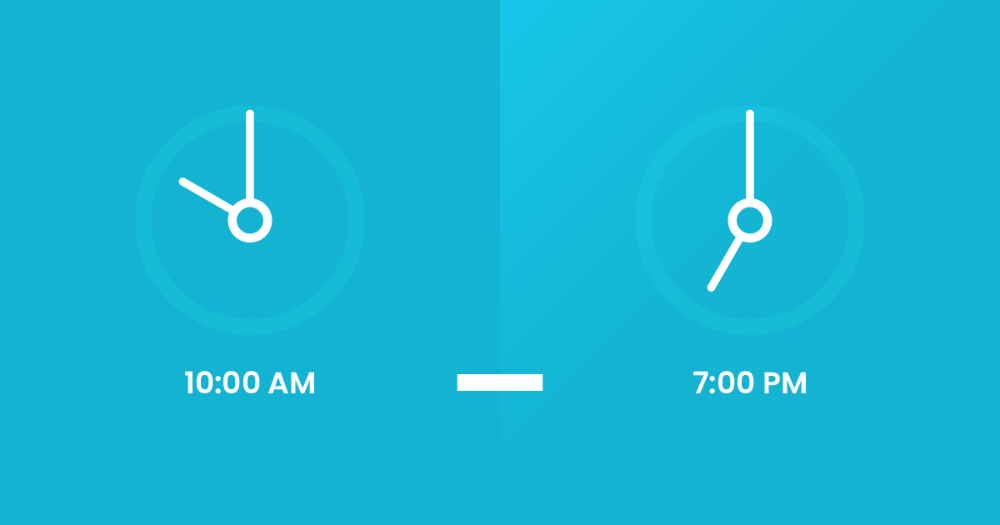
Mid-morning texts, typically between 10 AM and 12 PM, reach people after morning routines but before lunch distractions. Engagement often stays high during this window.
Early afternoon, usually between 1 PM and 3 PM, also performs well. People check their phones after lunch and during slower moments at work. As a result, clicks and responses often increase.
Early evening can work too, especially for retail and local offers. However, timing here requires caution. Messages should arrive before dinner hours to avoid intrusion.
Times To Avoid Sending Marketing Texts
Certain time windows consistently underperform. Early mornings often feel disruptive. Late nights feel intrusive. And busy commuting hours can feel overwhelming.
Sending messages before 9 AM risks annoying subscribers. Sending messages after 8 PM often crosses personal boundaries. While exceptions exist, these windows generally produce higher opt-out rates.
Weekends also require care. While some audiences engage more on weekends, others prefer silence. Therefore, weekend messaging should align closely with audience behavior and expectations.
Weekday Vs Weekend Timing Considerations
Weekdays offer predictable routines. People expect communication related to work, shopping, or planning. As a result, weekday SMS campaigns often perform more consistently.
Weekends feel different. People shift focus to personal time, family, and leisure. Promotional texts may feel less welcome unless they clearly add value.
However, certain use cases thrive on weekends. Event reminders, local promotions, and limited-time offers can perform well. The key lies in relevance and restraint.
Testing weekday versus weekend performance helps identify what your audience prefers.
How Industry Affects SMS Timing
Different industries require different timing strategies. Retail brands often see strong engagement during mid-day and early evening. Service businesses perform better during business hours. Restaurants and events usually succeed closer to decision moments.
For example, a lunch promotion works best late morning. A dinner reminder works best mid-afternoon. Appointment reminders work best one day or a few hours before the event.
Therefore, timing should align with how customers use the product or service.
Why Frequency Matters As Much As Timing

Timing gets messages opened. Frequency determines whether subscribers stay.
SMS tolerance stays low compared to email. People expect fewer texts. As a result, frequency directly affects opt-out rates.
Sending too many messages erodes trust quickly. Sending too few messages reduces relevance. So, finding balance matters.
Successful SMS programs treat frequency as a long-term relationship decision, not a short-term revenue tactic.
Recommended SMS Frequency Guidelines
Most brands perform best with one to four marketing texts per month. This range keeps the brand top of mind without overwhelming subscribers.
During peak seasons or promotions, frequency can increase slightly. However, this increase should feel temporary and justified.
Transactional and operational messages do not count toward marketing frequency. Customers expect those messages and rarely resent them.
By separating promotional and transactional sends, brands protect engagement.
Setting Expectations At Opt-In
Frequency should never surprise subscribers. Expectations start at signup.
Clear opt-in language should explain how often messages may arrive. This transparency reduces frustration and opt-outs later.
When brands align their behavior with expectations, trust grows. When brands break promises, trust erodes quickly.
Therefore, frequency discipline starts long before the first campaign.
Adjusting Frequency Based On Engagement
Not all subscribers behave the same. Some click often. Others engage occasionally. Some stay silent.
Segmenting by engagement helps optimize frequency. Highly engaged users may tolerate more messages. Less engaged users may require fewer.
By dynamically adjusting frequency, brands protect list health and improve performance.
Using Timing And Frequency Together
Timing and frequency work together, not separately. A perfectly timed message can still fail if frequency feels excessive.
For example, sending three messages in one day, even at good times, often triggers opt-outs. Meanwhile, sending one well-timed message per week usually feels helpful.
Therefore, planning should consider both dimensions together rather than optimizing them in isolation.
Using Automation To Improve Timing
Automation helps deliver messages at the right moment. Trigger-based messages often outperform scheduled blasts.
For example, cart reminders work best shortly after abandonment. Back-in-stock alerts work best immediately. Appointment reminders work best at predictable intervals.
Because these messages align with behavior, timing feels natural rather than forced.
Automation also prevents over-messaging by limiting unnecessary sends.
Testing And Refining Send Times
Best practices provide a starting point, not a final answer. Testing reveals what truly works.
Brands should test different send times within safe windows. They should compare engagement, clicks, and opt-outs. Over time, patterns emerge.
Even small shifts, such as sending at 11 AM instead of 10 AM, can change results.
Continuous testing keeps SMS programs aligned with evolving behavior.
Respecting Time Zones And Local Context
National and global audiences require careful timing. Sending at the same time everywhere often results in poor experiences.
Time zone awareness matters. Local context matters. Holidays, events, and cultural norms all affect receptivity.
Respecting these factors signals professionalism and care.
Compliance And Quiet Hours
Regulations often define acceptable sending hours. Brands must follow these rules strictly.
Even when regulations allow certain windows, customer comfort should guide decisions. Legal compliance sets the minimum standard. Customer respect sets the performance standard.
By consistently honoring quiet hours, brands protect their reputation and trust.
Common Timing Mistakes To Avoid
Many brands send texts when it’s convenient for the business, not for the customer. Others increase frequency during promotions without warning.
Another common mistake involves copying email schedules into SMS programs. SMS requires a different rhythm.
Avoiding these mistakes often improves performance immediately.
Final Thoughts
The best times to send marketing texts depend on audience behavior, context, and intent. However, respect always matters more than optimization.
When brands send messages at thoughtful times and reasonable frequencies, customers respond positively. Engagement rises. Opt-outs fall. And trust grows.
SMS succeeds not because it interrupts, but because it helps at the right moment. When timing and frequency align with real human behavior, SMS becomes one of the most effective marketing channels available.