
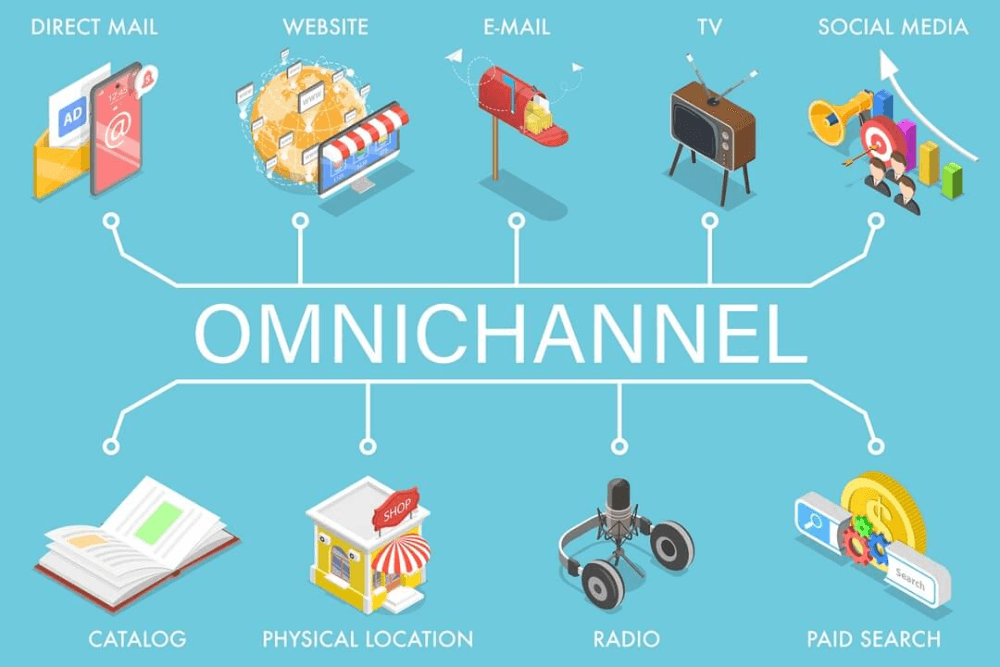
Modern marketing rarely relies on a single channel. Customers move between inboxes, social feeds, websites, and physical locations throughout the day. Because of this behavior, brands that operate in silos struggle to stay relevant. Messages feel disconnected. Timing feels off. Engagement drops.
A multi-channel marketing strategy solves this problem by creating consistent experiences across touchpoints. However, success depends on how well those channels work together. SMS plays a critical role in that integration because it delivers speed, clarity, and immediacy.
This guide explains how to integrate SMS into a multi-channel strategy in a way that feels natural, compliant, and effective. It also shows how SMS supports other channels rather than competing with them.
Why SMS Strengthens Multi-Channel Marketing
Every channel has strengths and weaknesses. Email supports long-form content. Social media builds awareness and community. Paid media drives discovery. Yet all of these channels suffer from noise and delayed attention.
SMS fills those gaps. Text messages reach customers instantly. They arrive in a personal space. And they prompt fast action. Therefore, SMS works best as an accelerator rather than a standalone channel.
When brands integrate SMS thoughtfully, they improve timing, reinforce messaging, and guide customers through key moments. As a result, the entire strategy becomes more cohesive.
Understanding The Role Of Each Channel
Before integrating SMS, brands must clearly define the role of each channel. Without this clarity, messages overlap and fatigue grows.
Email works well for education, storytelling, and detailed offers. Social channels excel at discovery, engagement, and brand personality. Paid media captures new audiences and drives traffic. SMS, however, activates intent.
Therefore, SMS should rarely introduce complex ideas. Instead, it should reinforce, remind, or prompt action when customers are ready.
This role clarity prevents overuse and preserves trust.
Mapping SMS To The Customer Journey
Integration works best when aligned with the customer journey. Different stages require different communication styles.
At the awareness stage, email and social channels build understanding. SMS usually stays quiet here. However, once customers show interest, SMS becomes valuable.
During consideration, SMS can support reminders, restock alerts, or limited-time nudges. At the decision stage, SMS can drive urgency and confirmation. After purchase, SMS supports updates, reassurance, and retention.
By mapping SMS to high-intent moments, brands avoid noise and increase relevance.
Using SMS And Email Together

SMS and email complement each other naturally. Email provides depth. SMS provides speed.
For example, an email can announce a seasonal sale and explain terms. Later, an SMS can remind customers when the sale starts or ends. This sequence delivers context first, then urgency.
Similarly, onboarding emails can explain features while SMS prompts key actions. When combined thoughtfully, both channels perform better together than alone.
The key lies in sequencing. The email should be prepared. SMS should activate.
Integrating SMS With Social Media Campaigns
Social media builds buzz, but algorithms limit reach. SMS ensures visibility when timing matters.
For instance, social posts can tease upcoming launches or events. SMS can then deliver early access links to engaged subscribers. This approach rewards loyalty while maximizing reach.
Additionally, SMS can drive traffic to social experiences, such as live streams or exclusive content. By linking channels, brands extend the life of their campaigns and increase engagement.
However, SMS should never duplicate social content directly. Instead, it should add direction and urgency.
Supporting Paid Media With SMS
Paid media attracts attention but often struggles with follow-through. SMS improves conversion by reconnecting with interested users.
For example, customers who sign up through ads can receive SMS confirmations or reminders. This follow-up reinforces intent and reduces drop-off.
Retargeting efforts also benefit from SMS when users opt in. A reminder text can nudge hesitant buyers back to their carts after initial exposure.
Because paid traffic costs money, SMS helps maximize return by improving post-click engagement.
Using SMS To Connect Online And Offline Channels
Multi-channel strategies often include physical locations. SMS bridges digital and offline experiences seamlessly.
For instance, SMS can notify customers when orders are ready for pickup. It can send store directions, event reminders, or local promotions. These messages reduce friction and improve experience.
In-store signups also strengthen integration. Customers who opt in during checkout often show high intent. SMS then keeps the relationship active beyond the store visit.
As a result, online and offline touchpoints feel connected rather than separate.
Centralizing Data For Smarter Integration
Integration requires shared data. Without unified insights, channels operate blindly.
By centralizing customer data, brands can trigger SMS based on behavior across email, the web, or the app. For example, abandoning a cart can trigger an email, followed by an SMS reminder if no action occurs.
This orchestration prevents over-messaging while preserving relevance. It also ensures that each channel responds to customer behavior rather than guesswork.
Data alignment turns SMS into a responsive tool rather than a broadcast channel.
Automating SMS Within Multi-Channel Workflows
Automation makes integration scalable. Instead of sending messages manually, brands can trigger SMS at key moments.
Common automation points include signups, purchases, shipping updates, and inactivity periods. These triggers work well because they align with customer expectations.
However, automation should not feel robotic. Copy must stay human. Timing must feel thoughtful. When automation supports intent, engagement remains strong.
Maintaining Compliance Across Channels
Compliance matters across all channels, but SMS carries higher expectations. Consent must remain clear and documented.
When integrating SMS, brands should ensure that opt-in language stays consistent across touchpoints. Whether users subscribe via email forms, checkout pages, or social ads, expectations should match.
Opt-out options must remain visible and honored immediately. This respect protects trust and long-term performance.
By aligning compliance practices across channels, brands reduce risk and confusion.
Measuring Cross-Channel Performance
Integration success depends on measurement. Brands should track how SMS influences other channels, not just direct results.
For example, SMS reminders may increase email opens or accelerate conversions. Attribution models should reflect these interactions.
By analyzing cross-channel impact, teams gain a clearer picture of SMS value. This insight supports smarter budget allocation and strategy refinement.
Avoiding Common Integration Mistakes
Many brands misuse SMS by treating it as a replacement rather than a complement. This leads to overuse and fatigue.
Others duplicate content across channels, which reduces effectiveness. Customers do not want the same message everywhere.
Strong integration respects each channel’s strengths. SMS should add urgency, not repetition. When used thoughtfully, it enhances rather than overwhelms.
Building A Cohesive Message Calendar
Coordination matters. A shared calendar helps teams avoid conflicts and overload.
By planning email, social, and SMS sends together, brands control frequency and timing. This coordination improves experience and engagement.
A unified calendar also supports consistent storytelling across channels.
Final Thoughts
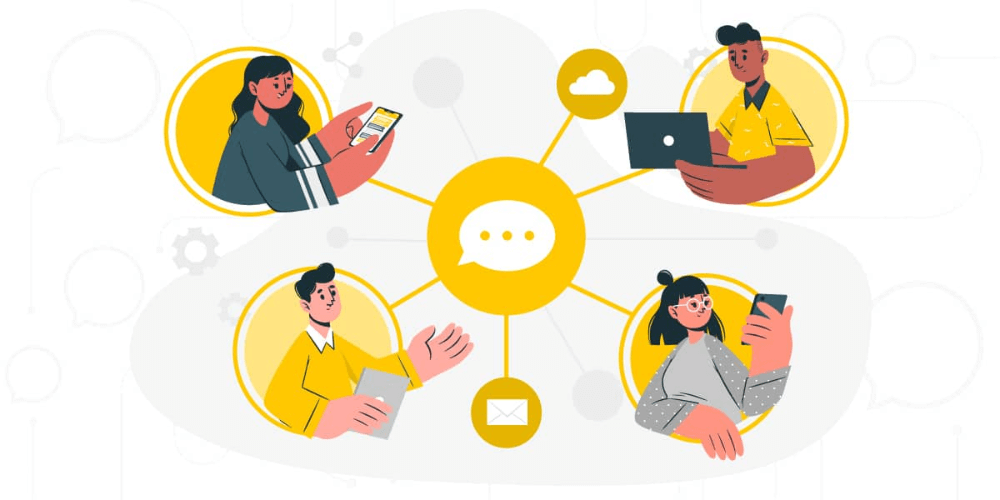
SMS integration strengthens multi-channel marketing by adding speed, clarity, and responsiveness. It supports moments that matter and connects campaigns across platforms.
When brands define roles clearly, map journeys thoughtfully, and respect customer preferences, SMS becomes a powerful connector rather than a distraction.
Multi-channel success does not come from doing more. It comes from doing things together. And when SMS works in harmony with other channels, results improve across the board.