

SMS marketing continues to evolve fast. Consumers expect quick, clear, and relevant communication. Marketers must keep up. And the brands that adapt early gain an edge.
Although SMS seems simple, its role in customer engagement is expanding. AI, compliance changes, and richer forms of messaging are reshaping what’s possible. Even small businesses must rethink their approach. The future belongs to those who mix automation with personalization.
This guide explores the top trends shaping SMS in 2025 and beyond. It also explains how marketers can prepare for this shift and build stronger mobile strategies.
The Rise of AI-Powered SMS
AI is transforming how businesses create and send messages. Tools now generate copy, segment audiences, and predict behaviors.
Marketers save time. They also launch campaigns faster. And they gain more insights with each interaction.
What This Means for Marketers
- You will rely more on AI to craft messages.
- Personalization will be deeper and more dynamic.
- Testing and optimization will become continuous.
- Teams will shift from writing messages to reviewing and refining.
AI won’t replace humans. Instead, it gives marketers sharper tools so they can focus on strategy.
Hyper-Personalization at Scale
Customers no longer accept generic texts. They want relevance. They also want timing to match their behavior.
Because of this, hyper-personalization is becoming the norm. Data from CRMs, loyalty apps, and POS systems feed into SMS workflows. Messages become unique to each customer.
Examples of Hyper-Personalization
- Texts sent after cart abandonment.
- Product recommendations based on past purchases.
- Location-based offers.
- Reorder reminders for consumable goods.
Why It Matters
People respond when messages feel tailored. And since SMS has high open rates, personalization drives even stronger results. This trend will only grow.
Rich Messaging Will Expand
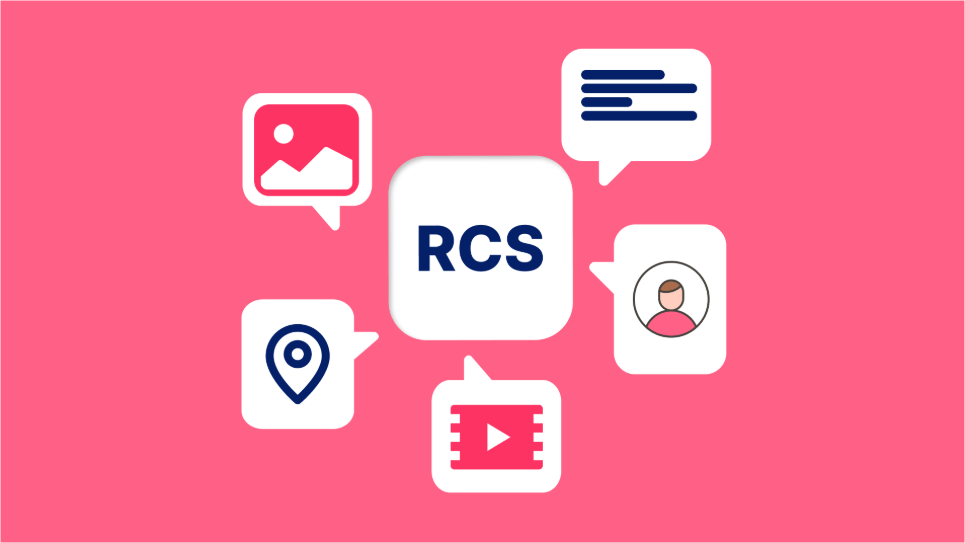
SMS has always been text-based. But rich messaging is rising fast. Marketers can now send images, GIFs, audio, and short videos.
RCS (Rich Communication Services) is also gaining adoption. When available, it gives brands advanced features such as branded senders, suggested replies, and interactive buttons.
Benefits of Rich Messaging
- Stronger engagement.
- More visual storytelling.
- Better product showcases.
- Higher conversion rates.
Although not every device supports RCS yet, adoption increases each year. Marketers who prepare now stay ahead.
Compliance Will Tighten
Regulators continue to push for stricter standards. And carriers want cleaner traffic. The trend will intensify.
Marketers must stay compliant with:
- 10DLC rules
- Opt-in and opt-out requirements
- Consent record storage
- International privacy laws
What to Expect Next
Because of increased scrutiny, marketers will need:
- Clearer consent processes
- More transparent messaging
- Stronger subscriber management
Compliance won’t be optional. It will be a competitive advantage.
Two-Way Conversations Will Replace One-Way Alerts
Marketers once used SMS mainly for blasting promotions. But that’s changing. And customers want conversations, not announcements.
Two-way messaging builds relationships. It gives users a way to ask questions and get help. It also helps brands collect more real-time insights.
Use Cases for Two-Way SMS
- Customer support
- Appointment changes
- Feedback collection
- Product Q&A
- Order updates
Many AI tools now support automated replies. This makes two-way texting easier for brands of all sizes.
Integration Will Be Essential
SMS can no longer stand alone. It must integrate with:
- CRMs
- Email platforms
- Loyalty systems
- Ecommerce stores
- Support tools
Because of deeper integration, workflows improve. Teams see a unified customer picture. And automation becomes smarter.
Why This Matters
When systems talk to each other, messages become more relevant. Data moves faster. And marketers gain more control.
The future of SMS will depend on seamless data sharing.
Analytics Will Become More Advanced

Marketers want clarity. They also want to see what drives results. And analytics tools are getting stronger.
Dashboards now reveal:
- Engagement trends
- Subscriber growth
- Conversion performance
- ROI breakdowns
- Behavior triggers
The New Expectations
Because analytics evolve, marketers must:
- Track more metrics
- Test messages frequently
- Optimize based on real-time results
Better analytics mean better decisions.
Global SMS Will Grow
Businesses are reaching customers across borders. And international SMS continues to expand.
However, global carriers have unique rules. International compliance demands even more attention.
What Marketers Should Prepare For
- Regional regulations
- Per-country delivery rules
- Language differences
- Time-zone targeting
The brands that send globally must become more strategic. Good platforms make this transition easier.
Automation Will Power Most Campaigns
Automation is no longer optional. It makes campaigns consistent and powerful.
Marketers use automation to:
- Send onboarding flows
- Deliver reminders
- Trigger loyalty rewards
- Re-engage silent subscribers
- Follow up after purchases
Why Automation Wins
Because customers want timely messages, automation handles what humans can’t. And it does it at scale.
The future will bring even more advanced workflows.
Preparing for the Future: What Marketers Should Do Now
The landscape keeps evolving. But brands can stay ahead by preparing early.
Steps to Take
1. Audit your current SMS setup. Identify gaps in messaging, compliance, and workflows.
2. Adopt AI tools early. Start generating content and testing variations.
3. Strengthen your data integrations. Ensure your CRM and SMS platform share data smoothly.
4. Use two-way messaging. Engage customers with real conversations.
5. Monitor compliance changes. Build strong opt-in systems now.
6. Experiment with rich messaging. Add MMS and prepare for RCS.
7. Track performance with dashboards. Use insights to adjust strategy.
Final Thoughts
The future of SMS is bright. Trends like AI, automation, and rich messaging are pushing the industry forward. Marketers who adapt early will enjoy stronger engagement and better customer loyalty.
SMS may be one of the oldest digital channels, but it continues to evolve. And now, it’s more powerful than ever.
If you prepare today, you’ll be ready for the next wave of innovation. The future of SMS is here—and it’s full of opportunity.