
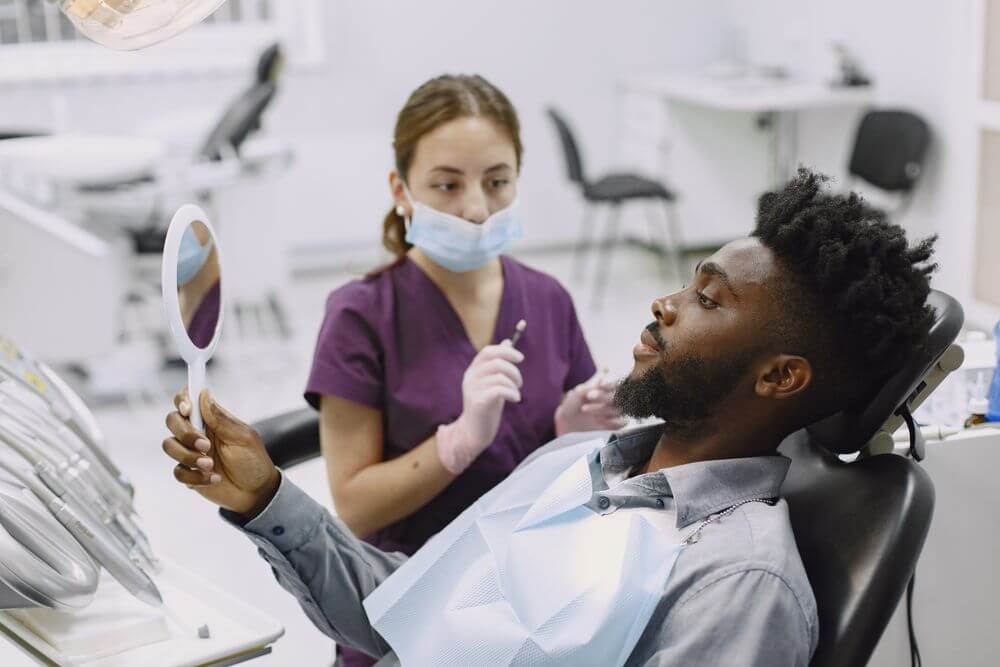
Dental clinics do not grow only by attracting new patients. They grow by keeping schedules full, reducing no-shows, reactivating overdue patients, and making communication easier for people who already trust the practice. Therefore, SMS marketing has become one of the most useful tools in modern dental practice communication. When clinics use text messaging well, they can confirm appointments faster, strengthen recall systems, and stay connected with patients in a way that feels direct and convenient.
However, dental SMS should never feel random or overly promotional. Patients usually welcome texts that help them stay on track with care. On the other hand, they lose patience quickly when messages feel excessive, unclear, or irrelevant. That is why the best dental SMS strategy focuses on practical value first. It should reduce friction, support treatment continuity, and help the clinic stay top of mind without overwhelming the patient.
Why SMS Works So Well For Dental Clinics
Dental care includes many moments where timing matters. A patient needs a reminder about a cleaning, a family needs to confirm an appointment, or someone overdue for preventive care needs a simple reason to return. Therefore, texting works well because it reaches people quickly and usually feels easier to respond to than phone calls or email.
This matters especially in busy practices. A missed appointment results in lost production, disrupts scheduling, and can delay care. Meanwhile, when patients drift out of the recare system, retention weakens quietly. SMS helps by supporting both short-term schedule protection and long-term patient retention.
Moreover, text messaging feels natural in healthcare communication when it stays focused on logistics, reminders, and practical next steps. Patients do not need a long explanation to remember a hygiene visit. They need a clear message with the right time, date, and action.
Appointment Reminders Help Reduce No-Shows
One of the strongest uses of SMS in dental clinics is appointment reminders. This is the most obvious place to start because the benefit is immediate. A reminder text can help a patient confirm, prepare, or reschedule before the time slot is lost.
A strong reminder sequence often includes:
- An initial confirmation after booking
- a reminder a few days before the visit
- a final reminder the day before or the day of the appointment
This approach works because it reduces forgetfulness without creating too much noise. Additionally, it gives patients a simple way to reply if they need to make a change. That matters because a canceled appointment with notice is usually much easier to manage than a no-show.
What A Good Reminder Text Should Include
| Element | Why It Matters |
|---|---|
| Practice name | Builds clarity and trust |
| Appointment date and time | Prevents confusion |
| Location or provider if needed | Helps patients prepare |
| Simple reply option | Makes confirmation easier |
| Short, clear wording | Keeps the message useful |
For example, a reminder text might say:
“Hi Sarah, this is a reminder from Greenview Dental about your appointment on Tuesday at 2:30 PM. Reply C to confirm or call us if you need to reschedule.”
That kind of message works because it is short, recognizable, and easy to act on.
Recall Campaigns Keep Preventive Care From Slipping
Appointment reminders protect the existing schedule. Recall campaigns protect the future schedule. That distinction matters because many dental practices lose patient momentum when people fail to book their next preventive visit before leaving the office.
A recall campaign helps the clinic reconnect with patients who are due or overdue for hygiene visits, exams, or follow-up treatment. Therefore, it plays a major role in patient retention. Instead of waiting for the patient to remember on their own, the practice sends a timely nudge that makes returning easier.
This is especially important because preventive care is often postponed for everyday reasons rather than due to genuine resistance. People get busy, forget timing, or assume they will book later. Consequently, a good recall text can reopen the relationship before the patient drifts away completely.
Effective Recall Campaign Moments
- Six-month hygiene reminders
- overdue preventive visit follow-ups
- unscheduled treatment reminders
- post-exam follow-ups when no appointment was booked
- seasonal reactivation campaigns for inactive patients
These messages work best when they feel helpful rather than pushy. A patient should feel that the clinic is supporting their care, not simply filling the schedule.
Patient Retention Depends On More Than Reminders
Although reminders and recall campaigns are central, patient retention also depends on the quality of broader communication. Patients stay loyal when the practice feels organized, responsive, and easy to work with. Therefore, SMS should support the entire patient experience, not just the appointment calendar.
That can include:
- welcome texts for new patients
- post-visit thank-you messages
- treatment follow-up reminders
- payment or form completion reminders
- review requests after positive visits
These messages help because they make the relationship feel active. A patient who hears from the clinic only when there is a problem may feel less connected than a patient who receives timely, helpful communication throughout the care journey.
Two-Way Texting Makes Dental Communication Easier
The best dental SMS systems do not only send messages. They also make it easier for patients to respond. That matters because patients often have simple questions that do not require a long phone call. They may want to confirm, ask whether they should arrive early, or check whether forms can be completed in advance.
Therefore, two-way texting can improve both convenience and retention. When a patient receives a quick answer, the practice feels more responsive. That sense of responsiveness often shapes loyalty more than clinics realize.
However, the workflow still needs structure. The practice should decide who monitors replies, how quickly the team responds, and which kinds of messages should be escalated to a phone call instead. That way, texting stays helpful rather than chaotic.
Keep Messages Clear, Professional, And Privacy-Aware
Dental clinics should keep SMS communication simple and careful. Texting works best for reminders, confirmations, and basic follow-up, not for detailed clinical explanations or sensitive disclosures. Therefore, the safest and most effective texts usually focus on scheduling, general treatment continuity, and practical patient actions.
A good rule is to include only what the patient needs to know right now. That keeps the message easier to read and easier to manage.
Best Practices For Dental SMS Marketing
What To Do
- Get clear patient consent for texting
- Use reminders to reduce no-shows
- build recall campaigns for overdue patients
- segment patients by visit type or status
- make messages short and action-oriented
- offer simple reply or scheduling options
- Monitor replies consistently
What To Avoid
- texting too often
- using vague or generic reminders
- including unnecessary sensitive detail
- Treating all patients the same way
- sending promotional messages without clear consent
- Waiting too long to follow up with overdue patients
These habits matter because the channel is highly visible. If the message is useful, that visibility helps the clinic. If the message is sloppy, patients notice immediately.
How To Measure Success
A dental SMS program should improve more than message delivery. Therefore, clinics should track:
- appointment confirmation rate
- no-show rate
- recall reactivation rate
- unscheduled treatment conversion
- patient retention over time
- response rate to texts
These metrics give the clinic a clearer view of whether texting is helping protect revenue and patient relationships rather than simply adding another communication channel.
Final Thoughts
SMS marketing works especially well for dental clinics because it supports the moments that matter most: confirmed visits, timely preventive care, and stronger patient retention. A well-run text program can reduce no-shows, strengthen recall systems, and make the practice feel easier to work with. Consequently, it becomes more than a reminder tool. It becomes part of a better patient experience.
In 2026, the best dental clinics will not use SMS to send more messages. Instead, they will use it to make care easier to remember, schedule, and continue. That is what turns texting into a real retention strategy.