
Automated SMS flows can do far more than send a welcome discount or a cart reminder. When brands build them well, these flows shape the full customer lifecycle, from first signup to repeat purchase to win-back. That matters because SMS works best when it is timely, specific, and behavior-driven. In other words, the channel shines when it responds to what a customer just did and guides them on what to do next. Recent lifecycle guidance from leading SMS platforms keeps pointing to the same conclusion: the highest-impact SMS programs do not rely on blasts alone. Instead, they rely on a small set of strong automations tied to customer intent and stage.
However, many brands still underbuild their SMS automation. They send a welcome text, maybe add an abandoned-cart reminder, and then stop. As a result, they leave revenue, retention, and customer experience gains on the table. Moreover, they often send the same experience to very different people, such as first-time subscribers, recent buyers, and loyal repeat customers. Yet those audiences do not need the same message. In fact, a good lifecycle strategy starts by recognizing that each stage deserves its own flow logic, offer strategy, and conversion goal.
So, if you want higher-converting automated SMS flows, do not think in terms of isolated campaigns. Instead, think in terms of lifecycle architecture. The best flows reduce doubt, build momentum, recover intent, reinforce trust, and bring people back at the right moment.
Why Lifecycle SMS Flows Convert Better Than One-Off Campaigns
One-off campaigns still have a role. They help with launches, deadlines, seasonal pushes, and broad announcements. Even so, automated flows usually convert better because they respond to specific customer actions. A person who just signed up, abandoned a cart, browsed a product, or completed a purchase has already created context. Therefore, the message can be more relevant, the timing tighter, and the next step clearer. That combination usually beats a generic batch send.
Additionally, flows compound over time. Once you build them, they keep working in the background. As a result, they create a more durable revenue engine than one-off sends alone. Klaviyo’s 2026 audit-based guidance, for example, highlights missing high-intent flows as a common source of leaked revenue, while Shopify’s abandoned-cart guidance notes that recovery automations can win back meaningful revenue from otherwise lost checkouts.
What Good Lifecycle SMS Automation Usually Delivers
- Better conversion from high-intent moments
- Faster response to customer behavior
- More relevant messaging by lifecycle stage
- Lower reliance on broad discounting
- Stronger retention after the first purchase
- More efficient revenue from fewer, smarter sends
Start With The Lifecycle Map, Not The Tool
Before you build anything, map the customer journey. This step matters because automation gets messy fast when brands build flow by flow without a larger plan.
At a minimum, most brands should map these stages:
| Added products, but did not check out | Customer State | Main SMS Goal | Best Flow Type |
|---|---|---|---|
| Subscriber | Just opted in | Build trust and drive first action | Welcome flow |
| Browser | Viewed products but did not add to cart | Re-engage interest | Browse abandonment |
| Cart Abandoner | Added products but did not check out | Recover purchase intent | Abandoned cart |
| New Customer | Completed first order | Reinforce trust and prompt next step | Post-purchase |
| Repeat Customer | Bought more than once | Increase loyalty and AOV | Cross-sell or loyalty flow |
| Lapsing Customer | Has not engaged or purchased recently | Reignite interest | Win-back flow |
This table helps by forcing clarity. Instead of asking, “What texts should we send?” you ask, “What problem are we solving at this stage?” That shift usually improves performance right away.
Build The Welcome Flow First
Your welcome flow should almost always come first because it sets expectations for everything that follows. It also captures one of the highest-attention moments in the customer relationship: the moment right after signup.
Yet many brands waste that opportunity. They send one generic discount, then move on. A better welcome flow does more. It explains the value of staying subscribed, provides the subscriber with a clear next step, and begins segmenting the audience by purchase status or intent. Klaviyo’s 2026 audit insights specifically call for splitting welcome flows by purchase status, as new subscribers and recent buyers require different messaging paths.
A Strong Welcome Flow Should Do Three Things
- Deliver the promised value. If you offered a discount or perk, send it clearly and fast.
- Build confidence. Add social proof, guarantees, bestsellers, or a simple reason to trust the brand.
- Create momentum. Point people to one easy next step, such as shopping a curated collection or taking a short quiz.
Moreover, keep the flow short and intentional. A welcome flow should feel helpful, not noisy. In many cases, two to four touches across SMS and email work better than a long series of touches.
Recover Intent With Browse And Cart Flows
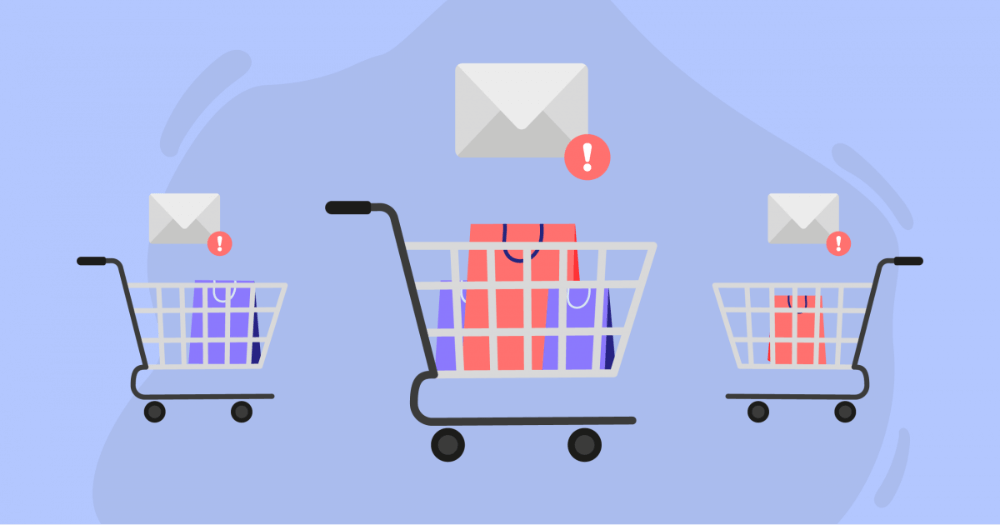
After welcome, high-intent recovery flows usually generate the clearest revenue lift. These flows matter because the customer already showed interest. Therefore, your job is not to create demand from scratch. Your job is to remove friction.
Browse abandonment works well for customers who viewed products but did not add them to their cart. Klaviyo recommends using conditional logic based on SMS consent and even testing an email-first, text-second sequence for some browse flows. That insight is useful because not every high-intent shopper needs an immediate text first. Sometimes a softer email touch followed by SMS converts more efficiently.
Abandoned cart, by contrast, sits even closer to conversion. Shopify cites industry data showing that cart abandonment remains a major e-commerce problem, and it references Klaviyo data showing strong revenue recovery from cart emails. Meanwhile, Klaviyo’s SMS flow guidance emphasizes that cart reminders are among the clearest opportunities to use SMS, as shopper intent is already strong.
Best Practices For Browse And Cart SMS Flows
- Personalize the message with product context
- Keep the CTA singular and obvious
- Test incentive versus no incentive
- Use email and SMS together instead of forcing one channel to do all the work
- Limit message count so urgency does not turn into annoyance
Just as importantly, follow current consent and opt-out requirements. The FCC’s updated revocation rules make it easier for consumers to stop unwanted robotexts, and brands must honor opt-out requests within the required timeframe. So, high-converting flows still need clean compliance foundations.
Use Back-In-Stock Flows To Capture Ready Buyers
Back-in-stock SMS flows often convert well because the customer has already told you what they want. That makes the message feel expected rather than interruptive.
Klaviyo’s guidance recommends combining SMS and email for back-in-stock alerts, dynamically inserting the product name, and reinforcing urgency once the item is back in stock. That makes sense because restock messages succeed when they are both recognizable and timely.
This flow also shows why lifecycle automation works so well. You are not guessing. You are responding to declared interest.
Reinforce Trust In The Post-Purchase Stage
Many brands underinvest in post-purchase SMS because they assume the conversion work is already done. However, this stage shapes repeat purchase, review generation, loyalty enrollment, and overall brand trust.
Klaviyo’s SMS flow guidance notes that post-purchase retention flows may not achieve the same conversion rates as earlier high-intent flows. However, they still matter because they help maintain the relationship and prepare for future purchases. It also recommends keeping the SMS touch light, often with one message and no delay, while tailoring content based on order value, collection, and whether the customer is new or returning.
Smart Post-Purchase SMS Use Cases
- Order confirmation or thank-you text
- Review the request after enough product-use time
- Loyalty invitation
- Product education or setup tip
- Replenishment reminder
- Cross-sell based on the original purchase
Because this stage affects retention, even a simple message can produce long-term value.
Do Not Forget The Win-Back Layer
Eventually, even good customers go quiet. That is why every lifecycle system needs a reactivation layer.
A win-back flow should not feel like a last-ditch discount cannon. Instead, it should diagnose likely friction. Did the customer lose interest? Did they buy something durable and not need a repeat purchase yet? Did the brand over-message them? Start with relevance before jumping to discounts.
For many brands, a strong win-back sequence includes a reminder of value, a product or category refresh, and, if needed, a selective incentive. Additionally, suppression rules matter here. If a subscriber has completely disengaged, continuing to send texts can harm list health and increase opt-outs.
Make The Flows Work Together
Strong lifecycle automation is not just a collection of separate flows. It is a coordinated system.
That means each flow needs clear entry and exit rules, as well as priority logic. For example, a customer should not receive a cart reminder after completing a purchase. Likewise, a recent buyer should not fall into a generic subscriber-nurture path that treats them as if they have never converted. This is exactly why lifecycle orchestration matters. It protects relevance.
Before You Launch, Check These System Rules
- Which flow has priority if multiple triggers fire?
- What removes someone from a flow?
- Which flows should suppress recent purchasers?
- When should email lead and SMS follow?
- How many total SMS touches can a person receive in a week?
These questions seem operational, but they directly affect conversion.
Optimize For Conversion, Not Just Delivery
Finally, treat lifecycle SMS like an optimization system, not a set-and-forget program.
What To Test Regularly
- Send order: email first versus SMS first
- Offer type: discount, free shipping, or no incentive
- Message length and CTA wording
- Product personalization depth
- Delay timing between touches
- Branching by customer type or purchase history
Klaviyo’s own flow advice repeatedly emphasizes testing timing, channel order, and personalization. Meanwhile, its 2026 audit findings suggest that even simple structural fixes, such as splitting by purchase status, can unlock performance without adding more volume.
Frequently Asked Questions
What Is The Most Important Automated SMS Flow To Build First?
Usually, the welcome flow. It captures the moment of closest attention after signup and sets the tone for the relationship.
Which SMS Flows Usually Drive The Most Revenue?
Browse abandonment, abandoned cart, and back-in-stock flows often deliver strong returns because they target high-intent moments.
Should SMS Flows Work With Email?
Yes. For many lifecycle stages, email adds depth while SMS adds visibility and urgency. Klaviyo’s flow guidance explicitly recommends combining the two in several scenarios.
How Many SMS Messages Should A Flow Include?
It depends on the flow, but shorter usually works better. Welcome flows often need only a few touches, while some high-intent flows perform best with a single strong reminder.

Final Thoughts
High-converting automated SMS flows do not come from adding more texts. They come from matching the right message to the right moment across the full customer lifecycle. Therefore, the best brands build automation that effectively welcomes new subscribers, quickly recovers intent, supports buyers post-purchase, and re-engages lapsed customers with precision.
If you build that lifecycle system carefully, SMS stops being just a campaign channel. Instead, it becomes a conversion engine that works from signup to repeat purchase and beyond. And that is where the real value of SMS automation shows up.