
SMS can be your fastest marketing channel, and that’s exactly why compliance matters. A text reaches people immediately, so mistakes show up immediately too. Therefore, “SMS compliance” isn’t just a legal checklist—it’s a trust system that protects your brand, your deliverability, and your revenue.
The good news is that compliance doesn’t need to feel complicated. In practice, most teams win by getting four things right: clean opt-ins, instant opt-outs, respectful quiet hours, and consistent best practices. Moreover, when you follow these rules, your messages feel less spammy, which often improves performance.
This guide breaks everything into simple, actionable steps you can use across ecommerce, services, SaaS, and local businesses.
The Compliance Mindset: Protect Consumers, Protect Your Program
If you remember one thing, remember this: SMS compliance is built to protect consumers from unwanted messages. That principle appears in industry guidance, including CTIA’s Messaging Principles and Best Practices, which explicitly emphasize protecting consumers from unwanted messaging traffic.
Consequently, the best compliance approach is “permission-first.” You earn attention through clarity and control, not through clever loopholes.
Opt-Ins Made Simple: What “Good Consent” Looks Like
Opt-in is not just about collecting a phone number. Instead, it’s documenting a clear agreement about what you will send and how often you’ll send it. When your opt-in is clear, your opt-out rate usually drops, and your deliverability usually improves.
What Your Opt-In Disclosure Should Say
A strong disclosure usually answers five questions:
- Who is texting? (brand name)
- What will you send? (promos, alerts, updates, or a mix)
- How often will you text? (a range works well)
- How can they stop? (Reply STOP)
- Where can they learn more? (terms/privacy, when applicable)
Additionally, make the disclosure readable. Tiny gray text might “exist,” yet it won’t create real informed consent.
Double Opt-In vs Single Opt-In
Single opt-in grows faster, while double opt-in grows cleaner. Therefore, many teams use double opt-in when list sources are riskier (giveaways, offline entry, affiliates). Meanwhile, they use single opt-in for high-intent sources (checkout, account settings).
If you use double opt-in, keep it simple:
- “Reply YES to confirm.”
Then, store both the initial opt-in and the confirmation for recordkeeping.
Keep Evidence: Recordkeeping That Saves You Later
Even if you never face a dispute, proof helps you troubleshoot. So, store:
- timestamp
- source (form URL, keyword, QR code, checkout step)
- disclosure text shown at opt-in (version it if you change wording)
- phone number and identifiers (customer ID/email when possible)
Now that your opt-in is clean, your opt-out must be even cleaner.
Opt-Outs Done Right: STOP Should End The Conversation
Opt-out handling is one of the easiest places to mess up, and it’s also one of the easiest to do well.
CTIA best practices focus on consumer control and reducing unwanted messages, so your STOP flow must work predictably.
Treat Common Keywords As Opt-Outs
Most programs treat these as opt-out keywords: STOP, STOPALL, UNSUBSCRIBE, CANCEL, END, QUIT
Many providers implement this behavior automatically. For example, Twilio describes how STOP creates a block list entry that prevents future messages to that recipient, and it explains that recipients can opt back in using START/YES/UNSTOP.
Confirm Once, Then Stop
A clean approach is:
- Customer texts STOP
- You send one confirmation message
- You stop all marketing messages immediately
Don’t argue, don’t guilt, and don’t try to “win them back” in the same thread. If they want out, let them out.
Handle HELP Like A Real Support Request
People text HELP when they’re confused. So, your HELP response should include:
- your business name
- How to contact support
- how to opt out (STOP)
Twilio notes that its default behavior includes help/info handling and recommends including your business name when customizing responses.
Now that opt-outs work, quiet hours keep your program respectful.
Quiet Hours: The Easiest Way To Stop Feeling Spammy
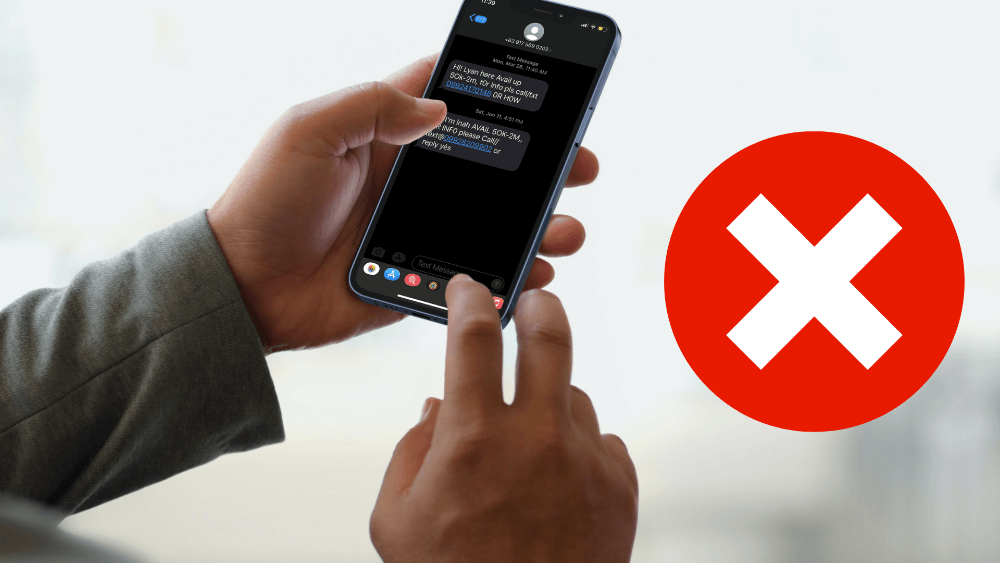
Quiet hours aren’t always spelled out the same way across jurisdictions, yet they still matter because customers experience “late-night texting” as intrusive. Therefore, quiet hours are a best practice that protects trust and reduces complaints.
A simple, quiet-hour rule that works for most brands:
- Don’t send marketing texts late at night or very early in the morning
- respect the recipient’s timezone
- Allow true service messages only when the customer expects them
Additionally, document exceptions. For example, delivery updates might be acceptable in wider windows, while promos should stay in tighter windows.
Best Practices That Keep You Compliant And High-Performing
Once opt-ins, opt-outs, and quiet hours are set, these best practices keep your system stable as you scale.
Set Frequency Caps
Most compliance disasters start with “too many texts.” Therefore, set a global cap:
- per day cap (often 1 marketing text/day max)
- per week cap (based on your audience tolerance)
Then, apply segment-based caps:
- new subscribers: fewer messages until they engage
- active clickers: normal cadence
- non-clickers: reduced cadence + preference prompts
This approach reduces opt-outs because customers feel less chased.
Prevent Flow Collisions
If you run multiple automations, customers can receive multiple messages in the same hour. Consequently, your program starts to feel spammy even if each message is “good.”
Use collision rules like:
- one marketing message per X hours
- Suppress promos for X days after purchase
- Pause marketing during open support cases
Align With A2P 10DLC Registration Requirements
If you send A2P messages in the U.S. using 10DLC, your campaign registration often requires you to define opt-in, opt-out, and help keywords and messages.
Twilio’s A2P 10DLC campaign approval requirements highlight the need for opt-in confirmation (for recurring campaigns), opt-out keywords/messages, and help keywords/messages.
Even if you aren’t thinking about “registration,” these requirements push you toward better compliance hygiene.
Keep Content Consistent With The Consent Context
If someone opts in for “delivery updates,” don’t suddenly send daily promos. Instead, keep message types aligned with what you promised at opt-in. This simple rule reduces complaints because it reduces surprise.
A Quick Note On TCPA Consent Changes
TCPA compliance can get nuanced, especially for lead generation and multi-seller consent scenarios. The FCC previously adopted a “one-to-one” consent rule, but the Eleventh Circuit vacated it, and the FCC later removed the rule from its regulations.
Even though that specific rule is no longer in effect, brand-specific, clear consent remains a strong best practice. Therefore, avoid vague “marketing partners” consent language and collect consent for your brand directly whenever you can.
A Simple Compliance Checklist You Can Use Before Every Launch
Use this checklist before you launch a new pop-up, keyword, flow, or campaign:
Opt-In Checklist
- disclosure clearly states brand + message type + frequency range
- opt-in proof is stored (timestamp, source, disclosure version)
- preferences are captured when possible (topics/frequency)
Opt-Out Checklist
- STOP and common variants end messaging immediately
- HELP response includes brand name + support + STOP instructions
- opt-outs sync across all tools (CRM, ESP, SMS platform)
Quiet-Hour Checklist
- Marketing texts respect the recipient’s timezone
- Service texts stay within reasonable expectations
- Exceptions are documented and used sparingly
Operations Checklist
- Frequency caps exist and are enforced globally
- Collision rules prevent multiple sends in a short window
- Campaign use case aligns with actual content (especially for 10DLC)
Final Thoughts
SMS compliance becomes simple when you treat it as a customer experience. First, earn permission with clear opt-ins. Next, honor control with instant opt-outs. Then, respect attention with quiet hours and frequency caps. Finally, keep your workflows consistent and documented so scaling doesn’t create surprises.
When you run SMS this way, you don’t just “avoid problems.” Instead, you build a program customers trust—which usually means better engagement and steadier growth over time.