
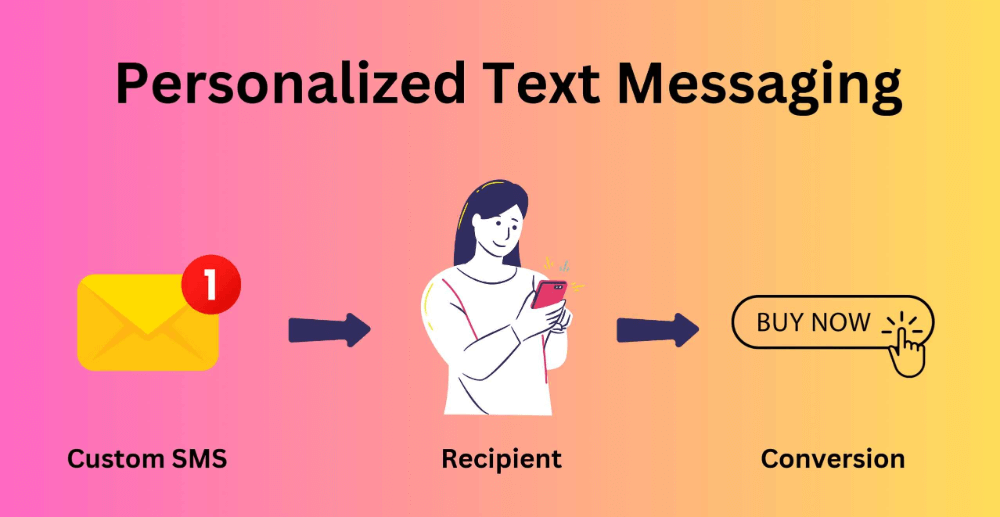
Most “personalized” SMS messages are just the first name. However, customers don’t click because you wrote “Hey Sarah.” They click because the message shows up at the right moment, references something they care about, and makes the next step easy. Therefore, real SMS personalization is not a copy trick—it’s a targeting-and-timing system.
In practice, the best programs personalize in three layers: who gets the message (segments), when they get it (triggers), and what the message says (dynamic fields). When these layers work together, you can send fewer texts while driving more revenue. Moreover, you can protect trust because your messages feel helpful rather than intrusive.
This guide shows you how to build personalization that scales: the segments that move metrics, the triggers that create “perfect timing,” and the dynamic fields that make each text feel 1:1 without writing 100 versions.
What “Personalization” Means In SMS
Personalization means you adapt an SMS to improve relevance for a specific customer. That can be as simple as language and timezone, yet the biggest lifts usually come from behavioral context.
So, think of personalization as a spectrum:
- Basic: name, city, language
- Useful: last purchase category, loyalty status, preferred store
- High-impact: cart contents, browsed product, back-in-stock interest, reorder timing
- Advanced: predicted intent, discount sensitivity, churn risk
However, you don’t need advanced modeling to win. Instead, you need consistent data signals and a clear system for using them.
The Three-Part Framework: Segments, Triggers, Dynamic Fields
If you want personalization that actually works, build in this order.
Segments Decide “Who”
Segmentation keeps you from blasting everyone with the same message. Therefore, it’s the first lever to improve clicks and reduce opt-outs.
Triggers Decide “When”
Triggers match messages to real actions and moments. Consequently, they reduce “spamminess” because the customer can understand why you texted.
Dynamic Fields Decide “What”
Dynamic fields insert customer-specific details and links. As a result, one campaign can still feel 1:1.
Now let’s go step by step, starting with the segments that drive the biggest lift.
Segment Smarter: The High-Impact SMS Segments
Segments should map to intent and relationship, not just demographics. Therefore, build segments around what customers do and how close they are to buying again.
High-Intent Segments
High intent means the customer already raised their hand. These segments usually outperform broad sends because relevance is baked in.
Strong high-intent segments include:
- Added to cart in the last 24 hours
- Started checkout but didn’t complete
- Viewed the same product multiple times recently
- Clicked an SMS link in the last 14–30 days
- Requested back-in-stock alerts (or browsed out-of-stock items)
Because these customers already care, your message can be short and direct.
Example: “Your cart is saved. Finish checkout here: [link]”
Value-Based Segments
Not all customers deserve the same offer strategy. So, segment by value to protect margin.
Useful value segments:
- VIP / top LTV customers
- High AOV customers
- Low-margin category buyers (avoid heavy discounts)
- Frequent repeat buyers (focus on convenience and perks)
Consequently, you can offer discounts to shoppers who need them while treating VIPs with early access and service.
Preference-Based Segments
Preferences reduce opt-outs because subscribers receive what they asked for. Therefore, preference segmentation is one of the cleanest “personalization wins.”
Preference signals can come from:
- Reply-based choices (Deals vs Drops vs Restocks)
- Category browsing patterns
- Quiz results or onboarding choices
- Loyalty profile settings
Example: “New in [PreferredCategory]: your favorites are live. See them: [link]”
Engagement-Based Segments
Engagement segmentation prevents fatigue. If someone never clicks, more texts won’t fix it. Therefore, adjust cadence by engagement.
Use three groups:
- Hot: clicked in last 7–14 days
- Warm: clicked in last 30–60 days
- Cold: no clicks in 60–90 days
Then, change your strategy:
- Hot: send high-intent offers and early access
- Warm: send helpful guides and best sellers
- Cold: reduce frequency and ask for preferences
As a result, your list stays healthier, and your deliverability stays stronger.
Now that you know who to message, timing becomes the next advantage.
Trigger The Right Message At The Right Time
Triggers turn SMS into a “moment channel.” Instead of hoping customers see a campaign, you show up when the customer action creates natural intent.
Additionally, triggers keep your program from feeling spammy because the message has a clear reason to exist.
Cart And Checkout Abandon Triggers
These are the highest-intent triggers for e-commerce. However, don’t lead with a discount.
A clean 2-step trigger flow works well:
- Step 1 (30–90 minutes): reminder + cart link
- Step 2 (4–8 hours): help prompt + cart link
Example 1: “Your cart is saved. Finish checkout: [link]”
Example 2: “Need help before you buy? Reply SIZE or SHIPPING. Checkout: [link]”
Then, use a third message only for offer-sensitive segments.
Back-In-Stock And Price Drop Triggers
These triggers feel like a service, so they often generate strong CTR.
Example: “It’s back ✅ [ProductName] is in stock again. Grab it: [link]”
Because the customer already wanted the item, you can keep the message very short.
Post-Purchase Education Triggers
Retention grows when customers succeed with the product. Therefore, send a usage tip after delivery or within the first-use window.
Example: “Pro tip for your [ProductName]: [One Tip]. Full guide: [link]”
This message feels helpful, which keeps subscribers engaged longer.
Replenishment Triggers
If you sell consumables, replenishment triggers can become your best retention engine. However, timing matters more than copy.
Start with a conservative reorder window, then adjust it based on repeat-purchase patterns.
Example: “Running low on [ProductName]? Reorder in one tap: [link]”
Win-Back Triggers
Win-back triggers should not fire too aggressively. Instead, tie them to your natural repurchase cycle.
Example: “New in [LastCategoryBought]: top picks just dropped. See them: [link]”
Then, follow with a preference reset rather than a bigger discount.
Now, once your segments and triggers are solid, dynamic fields bring the message to life.
Dynamic Fields That Make SMS Feel 1:1
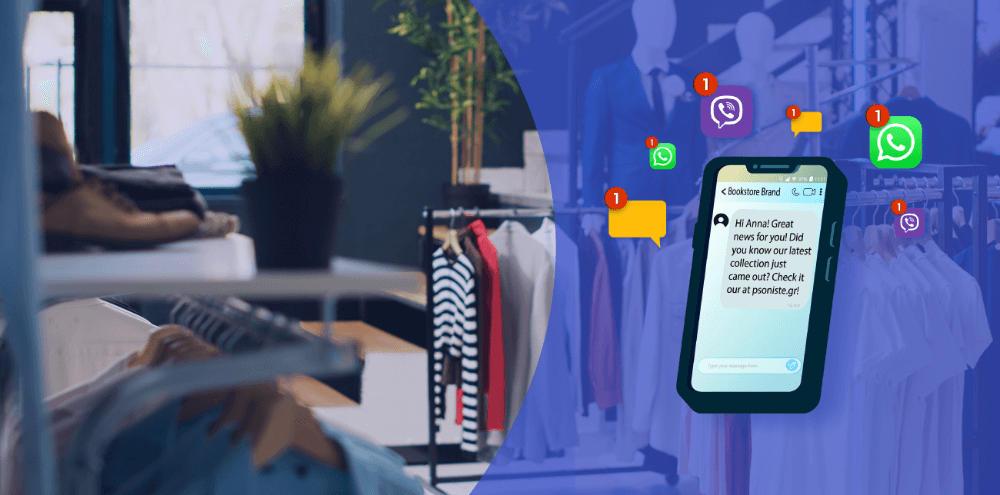
Dynamic fields (also called tokens or merge tags) swap in customer-specific values. Therefore, they let you scale personalization without writing unique copy for every recipient.
The Dynamic Fields That Matter Most
You don’t need 30 tokens. In fact, too many tokens can create messy messages. So, focus on the handful that increase relevance.
High-impact dynamic fields:
- First name (use lightly)
- Product name (browsed, cart item, last purchased)
- Category name (preferred or last purchased)
- Cart or checkout link (deep link when possible)
- Loyalty points or reward balance
- Store name (if local inventory matters)
Additionally, always set fallback values. If a product name is missing, your message should still read cleanly.
Example with fallback logic (conceptual): “Still thinking about [ProductName or ‘this item’]? Pick up where you left off: [link]”
Link Personalization Done Right
Links often drive CTR more than copy. Therefore, personalize links as much as content.
Best practices:
- Link to the exact cart or product, not the homepage
- Keep the link stable and branded when possible
- Avoid multiple links per message
- Use short, clear UTM tags for reporting
When the link matches intent, the click feels effortless.
Personalization Without The Creep Factor
Dynamic fields can also feel invasive if you get too specific. Therefore, use “comfortable personalization” that aligns with customer expectations.
Safe personalization:
- cart saved, back in stock, rewards available, reorder reminder
Avoid:
- hyper-specific browsing behavior (“we saw you looked at this 7 times”)
- sensitive inferences (health, finances, personal life)
As a result, customers trust your messages and keep clicking.
Putting It Together: Three Real Personalization Recipes
To make this actionable, here are three “recipes” that combine segments, triggers, and dynamic fields.
Recipe 1: Cart Recovery Without Over-Discounting
Segment:
- High intent + offer-sensitive
- High intent + not offer-sensitive
Trigger:
- Cart abandon
Dynamic fields:
- [ProductName], [CartLink]
Message sequence:
- “Your cart is saved. Finish checkout: [CartLink]”
- “Need help with size or shipping? Reply SIZE or SHIPPING. Checkout: [CartLink]”
- Offer-sensitive only: “Take 10% off for 2 hours: CART10. Checkout: [CartLink]”
This flow personalizes by intent and sensitivity, so you protect margin while recovering revenue.
Recipe 2: Back-In-Stock That Feels Like Service
Segment:
- Interested in the item or category
Trigger:
- Inventory returns
Dynamic fields:
- [ProductName], [ProductLink]
Message: “It’s back ✅ [ProductName] is in stock again. Grab it now: [ProductLink]”
This wins because it’s short, timely, and specific.
Recipe 3: Loyalty Nudge That Drives Repeat Purchases
Segment:
- Loyalty members with rewards available
Trigger:
- Reward balance crosses a threshold
Dynamic fields:
- [RewardAmount], [RedeemLink]
Message: “You’ve got [RewardAmount] ready to use. Want to apply it today? Redeem: [RedeemLink]”
This approach avoids discounts and still drives action.
A Clean Testing Plan That Improves Personalization Fast
Personalization works best when you test one lever at a time. Therefore, use a simple sequence:
- Test segments first (broad vs intent-based)
- Then test trigger timing (30 vs 60 minutes, 6 vs 8 hours)
- Then test one dynamic field change (product name vs category name)
- Finally test offer strategy (none vs controlled offer for a segment)
Meanwhile, track opt-outs alongside CTR. If opt-outs rise, tighten frequency and reduce campaign overlap before you change copy.
Common Mistakes That Make Personalization Fail
Personalization fails when the system is sloppy. So, avoid these issues:
- Missing fallbacks that create broken messages
- Over-segmentation that creates tiny audiences you can’t learn from
- Too many tokens make the copy unreadable
- Triggers are firing after purchase because suppression rules are missing
- Using discounts as personalization instead of relevance and timing
Fix these, and your program becomes easier to scale.
Final Thoughts
SMS personalization that works comes from a simple system: segment by intent and relationship, trigger messages at real moments, and use dynamic fields that add clarity without being creepy.
Therefore, build the “who” and “when” first, then refine the “what.” When you do that, your texts feel personal, your CTR rises, and your list stays healthy.