
Win-back campaigns sound simple. A customer goes quiet, so you send a discount and hope they return. However, that approach often creates the exact problem you want to solve. It trains customers to wait for deals. It increases opt-outs. And it makes your brand feel like noise instead of value.
SMS raises the stakes even more. Text messages land in a personal space. Therefore, anything that feels pushy, repetitive, or irrelevant triggers an instant “stop.” So, if you want win-back campaigns that work long-term, you need a different mindset. You need to treat win-back as service and relevance, not desperation.
This guide shows how to run SMS win-back campaigns that feel helpful, not spammy. You’ll learn how to choose the right audience, time messages correctly, write human copy, and build workflows that bring customers back without burning your list.
What “Spammy” Really Means in SMS
Spam is not only about volume. It is about a mismatch.
A message feels spammy when it arrives at the wrong time, to the wrong person, with the wrong promise. It also feels spammy when it ignores consent expectations, repeats itself, or sounds automated.
On the other hand, a win-back text can be promotional and still feel fine. The difference is relevance. If the message aligns with what the customer cares about and gives them an easy next step, they often appreciate it.
Therefore, your goal is not “never sell.” Your goal is “sell with context.”
Start by Defining “Lapsed” the Right Way
Many brands label customers as lapsed too early. That leads to win-back messages sent to people who were not gone in the first place. Then those people feel pressured, and opt-outs rise.
Instead, define lapse based on your product cycle.
If you sell consumables, a 45–90-day lapse window might be appropriate, depending on typical usage. If you sell apparel, it might be 90–180 days. If you sell services, it might align with seasonal demand or appointment cadence.
Also, use multiple tiers. A customer who has been inactive for 60 days is different from one who has been inactive for 180 days. Therefore, your message should change as the gap grows.
Segment Before You Send Anything
Segmentation is the fastest way to make win-back feel less spammy. You do not need complex AI to do this. You need basic customer signals.
Start with purchase history. What category did they buy? What price point? What frequency?
Then look at value tiers. High-value customers deserve a different approach than one-time bargain buyers.
Next, consider engagement. Did they ever click on your texts? Did they browse recently? Did they open emails?
Finally, consider the reason they may have lapsed. Stock issues, seasonality, delivery delays, or product dissatisfaction all change what you should say.
Because segmentation improves relevance, it also reduces opt-outs.
Fix the Root Cause Before You Win Them Back
A win-back message cannot cover up a broken experience. If customers left because shipping was slow or support was unhelpful, a discount will not rebuild trust.
So, check your churn signals first. Look at returns and refunds. Review complaints and tickets. Review low ratings. Also, review shipping delays and stockouts.
If there is a clear issue, address it in your messaging. For example, “We upgraded our shipping speed” or “We brought back our most requested sizes” gives a real reason to return.
Because honesty builds trust, this approach feels more human than “Come back for 20% off.”
Timing: The Win-Back Sweet Spot
Timing makes win-back either helpful or annoying.
Send too soon, and you look desperate. Send too late, and you lose relevance. Therefore, build timing around the customer’s natural buying rhythm.
A practical approach uses these windows:
- Soft win-back: around the edge of the typical repurchase cycle
- Strong win-back: after a longer gap with no engagement
- Final win-back: after a very long gap, then a respectful pause
Also, respect local time. Avoid early mornings and late nights. In SMS, timing is tone.
Keep the Win-Back Sequence Short
More messages do not equal more conversions. In fact, too many win-back texts can quickly lead to fatigue.
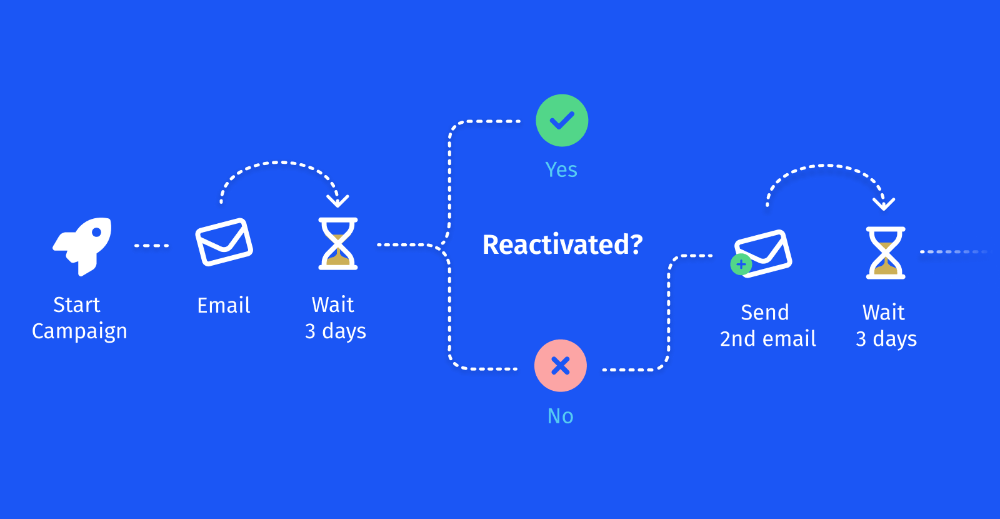
For most brands, one to three messages is enough. If the customer does not respond after three thoughtful touches, pause. You can try again later, but not immediately.
A good sequence often looks like this:
Message 1: Value-first, no discount
Message 2: Newness, proof, or convenience
Message 3: Optional incentive or preference control
This structure feels like a gentle invitation, not a chase.
Lead With Value, Not Discounts
Discount-first win-back feels spammy because it signals one thing: “We only want your money.”
Value-first win-back feels different. It says, “We thought of you, and we have something relevant.”
Value can mean many things. It can be new arrivals in their favorite category. It can be a restock of what they wanted. It can be a curated set of best-sellers. It can be a helpful tip. It can be a small loyalty perk.
When value leads, customers feel respected. Then they become more open to buying.
Use Personalization That Feels Earned
Personalization makes win-back more effective, but it must feel earned.
Reference what they bought, not everything they browsed. Mention their preferred category, not their late-night clicks. Keep details broad enough to feel normal.
For example, “New drops in {Category}” feels helpful. “We saw you look at the blue size M hoodie twice” feels creepy.
Also, personalization can be about timing, not data. A seasonal reminder can feel personal if it matches a past purchase pattern.
Copy Rules That Keep Win-Back Human
Win-back copy should sound like a real person. Short sentences help. Clear transitions help, too.
Use a calm tone. Avoid all-caps. Avoid excessive urgency. Avoid guilt.
Instead, use phrases that reduce pressure: “If you want,” “In case you missed,” “Quick heads-up,” “No rush.”
Then give a simple action. One link. One category. One offer. One next step.
When the message feels easy, it feels less spammy.
Non-Spammy Win-Back Templates You Can Reuse
Below are templates you can adapt. Each one aims to feel helpful first.
Template 1: Newness in their category
“{Brand}: Quick heads-up, new {Category} just dropped. So I saved the top picks here: {Link}”
Template 2: Best-sellers with proof
“{Brand}: If you’re browsing again, these are our current best-sellers. Also, reviews are 🔥: {Link}”
Template 3: Restock and relevance
“{Brand}: Your favorites are back in stock in {Category}. Want a quick look? {Link}”
Template 4: Convenience-based return
“{Brand}: Need a quick reorder? It takes 2 clicks here: {Link}”
Template 5: Upgrade or improvement message
“{Brand}: We improved {ThingThatWasAProblem}. Therefore, shopping is smoother now: {Link}”
Template 6: Soft incentive, not a bribe
“{Brand}: In case it helps, here’s free shipping through tonight: {Link}”
Template 7: Preference control instead of pressure
“{Brand}: Want fewer texts or only {Category} alerts? Update preferences here: {Link}”
Template 8: Close-the-loop message
“{Brand}: I’ll pause messages for now. However, if you want updates later, reply START anytime.”
These templates work because they reduce pressure while still guiding action.
Use Preference Centers to Prevent Opt-Outs
When customers lapse, some of them still like the brand. They dislike the volume or the content mix. Therefore, preferences can save the relationship.
Offer choices. Let them select categories. Let them choose frequency. Let them choose deal alerts only.
This strategy converts “opt-out” into “opt-down.” That outcome protects list health and future revenue.
Also, preference centers make your program feel more respectful, which improves trust.
Add Guardrails to Avoid Over-Messaging
Win-back often overlaps with other flows. A lapsed customer might still receive a browse reminder. They might get a generic promo. Then your win-back adds more volume.
So, build guardrails.
Cap win-back to one active sequence at a time. Pause promos while win-back runs. Suppress win-back if the customer just received support messages.
Also, stop immediately after a purchase. If you keep texting after conversion, you create regret and opt-outs.
Guardrails protect experience and ROI.
What to Measure to Know It’s Working
Win-back success is not only “did they buy.” It is also “Did they stay subscribed?”
Track reactivation rate. Track revenue per recipient. Track time-to-purchase after the first message.
Also track opt-out rate by message. If opt-outs spike on message two, adjust tone or timing. If opt-outs spike in response to incentives, your discount strategy may be training the wrong behavior.
Additionally, measure the downstream value. Some win-back buyers return once. Others return for months. Therefore, track 60- and 90-day LTV after reactivation.
Common Win-Back Mistakes That Create Spam Vibes
Some brands send win-back too soon. Others send too often. Some use generic blasts with no segmentation. And many lead with discounts every time.
Another mistake involves sounding automated. “We miss you” feels fake if you send it to everyone. Instead, say something concrete like “New drops in your favorite category.”
Finally, many brands never offer an opt-down. They force customers to choose between spam and silence. That is avoidable.
Final Thoughts
Non-spammy SMS win-back campaigns feel relevant, calm, and useful. They respect timing. They respect preferences. And they focus on value before incentives.
Start by defining lapse correctly. Segment your audience. Send a short sequence with a clear purpose. Offer preference control. Then measure both revenue and trust.
When you treat win-back as a relationship touchpoint, not a last-ditch discount, you bring customers back while keeping your list healthy.