
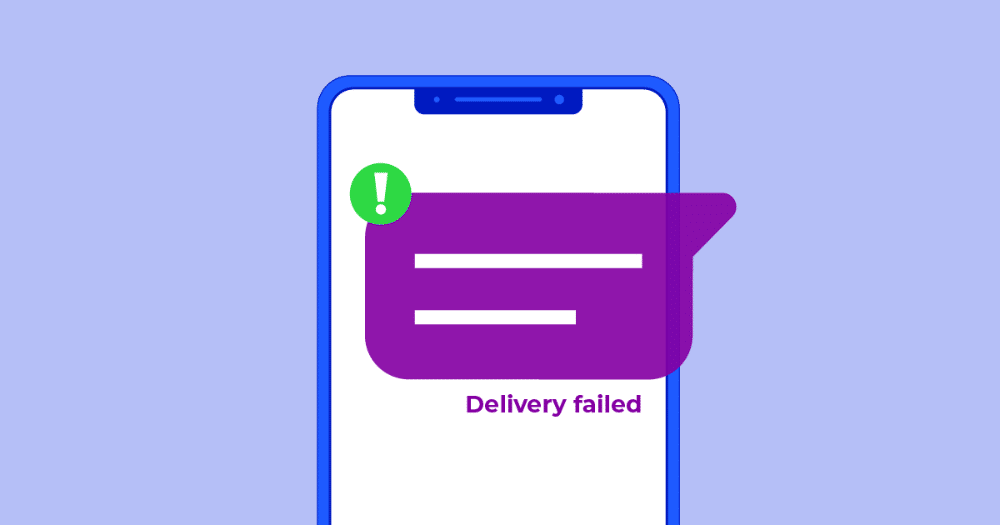
SMS feels deceptively simple. You write a message, press send, and expect it to reach customers instantly. However, in 2026, SMS deliverability rarely works that cleanly. Carriers filter aggressively. Registration rules tighten every year. And customer tolerance for unwanted messages continues to shrink.
As a result, even legitimate businesses can see messages delayed, throttled, or blocked entirely. When that happens, performance drops fast. Promotions underperform. Time-sensitive alerts arrive too late. And customers lose trust because communication feels inconsistent.
Therefore, SMS deliverability is not a technical afterthought. It is a revenue issue. It is a trust issue. And it is something every SMS program must actively manage.
This guide explains why SMS messages fail and how to fix deliverability issues in a practical, repeatable way. It also shows how to prevent problems before they appear.
What SMS Deliverability Really Means
Deliverability does not simply mean “sent.” It means the message reaches the recipient’s phone, on time, with the correct content, and without being filtered or altered.
In practice, SMS delivery passes through multiple layers. First, your messaging platform must accept the message. Next, carriers must allow it through their networks. Finally, the device must display it as expected.
If any layer fails, delivery suffers. Because carriers do not publish all filtering rules, teams must diagnose deliverability through patterns and signals rather than clear error messages. Therefore, strong deliverability starts with visibility and monitoring.
The Most Common Reasons SMS Messages Fail
Most deliverability problems come from a small set of causes. However, they often overlap, which makes them harder to diagnose.
U.S. carriers immediately filter unregistered or poorly registered business traffic. A2P 10DLC exists to identify legitimate senders, so skipping it invites blocking.
Content that resembles spam also triggers filters. Overhyped language, misleading claims, suspicious links, and excessive formatting all raise red flags.
Complaint rates matter too. If subscribers frequently opt out or report messages as spam, carriers downgrade your traffic.
List quality also plays a role. Invalid numbers, recycled numbers, and disengaged contacts increase failure rates and the risk of complaints.
Finally, throughput issues cause delays. When you send faster than your approved limits, carriers throttle delivery, and messages arrive too late to matter.
Why A2P 10DLC Directly Impacts Deliverability
If you send business messages in the U.S. using standard 10-digit numbers, you operate in the A2P ecosystem. In that ecosystem, carriers expect A2P 10DLC registration.
Registration links your brand, use case, and sending behavior to your numbers. As a result, carriers can apply appropriate throughput and reduce aggressive filtering.
When businesses skip registration or register incorrectly, carriers treat the traffic as suspicious. That often leads to throttling, delayed delivery, or outright blocking.
Therefore, if deliverability suddenly drops, registration status should be the first thing you verify.
Campaign Mismatch: The Silent Deliverability Killer
Many brands register correctly once and then forget about it. However, deliverability can still collapse if live messaging no longer matches the registered campaign.
For example, if you registered for customer care but now send promotions, carriers may filter your traffic. Similarly, if your opt-in flow changes but registration details do not, trust signals weaken.
Carriers evaluate consistency. When declared intent and actual behavior drift apart, filtering increases even if consent exists.
Whenever your SMS strategy changes, you should review and update the campaign registration details.
Content Filtering: What Triggers It and How to Avoid It
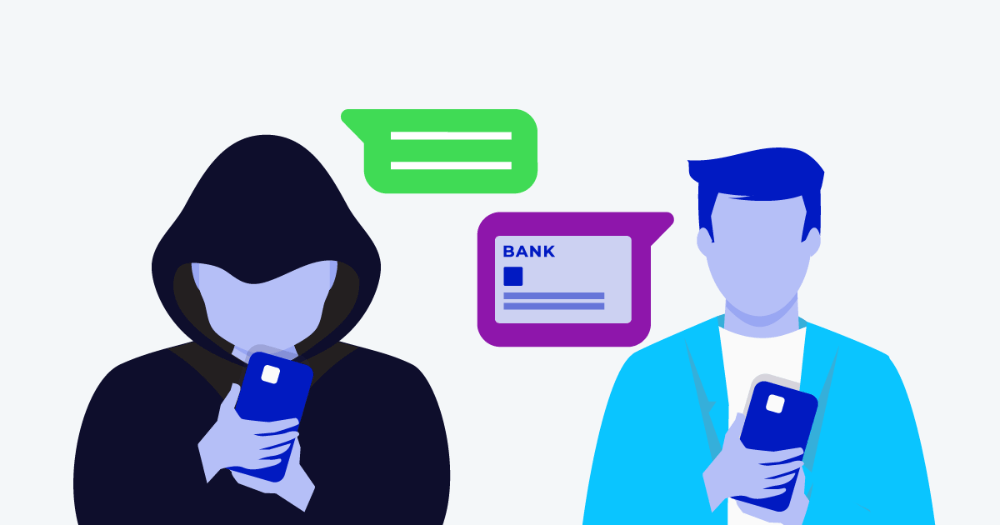
Carriers filter content to protect users from spam and fraud. Therefore, wording matters more than many marketers realize.
Certain patterns raise risk quickly. Excessive urgency, vague promises, misleading alerts, and spam-style formatting all attract scrutiny. Similarly, deceptive phrases like “account issue” or “urgent action required” can trigger phishing filters if they are not accurate.
Links also matter. Unbranded short links often look suspicious. In contrast, consistent branded domains build trust over time.
To fix content-related deliverability issues, simplify your copy. Identify your brand clearly. Use honest language. Limit each message to one purpose and one call to action.
Then test variations gradually rather than changing everything at once.
Consent and Complaints Shape Your Sender Reputation
Deliverability depends heavily on recipients’ reactions. Even if your messages technically comply, complaints still hurt delivery.
If people did not expect your texts, they will opt out or report spam. If they expected order updates but received promotions, trust erodes quickly.
Therefore, consent clarity protects deliverability. Set expectations at opt-in. Reinforce them in your welcome message. And match your message types to what subscribers agreed to receive.
When complaints fall, filtering pressure often follows.
Throughput and Throttling: When Messages Arrive Too Late
Sometimes messages are delivered, but they arrive hours late. That still counts as a deliverability failure.
This usually happens when send rates exceed the allowed throughput for your brand, campaign, or number type. It can also occur when traffic spikes suddenly without proper pacing.
Carrier-specific throttling is common. One carrier may deliver instantly, while another lags behind.
To fix this, reduce burst sends. Stagger delivery windows. And confirm that your registration supports the volume you send.
When timing matters, pacing matters just as much.
Choosing the Right Number Type for Delivery
Number choice affects deliverability and speed.
10DLC long codes work well for many business programs when registered correctly. However, they come with throughput limits.
Toll-free numbers support higher volume in some use cases, but they also require verification and are subject to filtering when abused.
Short codes offer strong throughput and reliability, but they require more setup time and a higher cost.
So, choose based on volume, urgency, and use case. If your program grows, revisit your number strategy before deliverability suffers.
List Hygiene: The Most Overlooked Deliverability Fix
Bad lists quietly and consistently damage deliverability.
Invalid numbers increase failures. Recycled numbers create unwanted messaging risk. Unengaged contacts drive complaints.
Therefore, clean your list regularly. Remove inactive numbers. Suppress repeated failures. Honor opt-outs instantly.
Also, monitor engagement trends. If a segment never clicks or replies, reduce messaging frequency or pause sends.
Healthy lists protect both performance and reputation.
A Practical Deliverability Troubleshooting Workflow
When deliverability drops, avoid guesswork. Follow a structured process.
First, identify the symptom. Are messages blocked, delayed, or failing on specific carriers?
Next, verify registration. Confirm A2P 10DLC status and campaign alignment.
Then compare carrier performance. If one carrier underperforms, suspect throttling or filtering.
After that, review the content. Look for risky language or link issues. Simplify and test.
Then analyze consent and opt-out trends. A spike often points to an expectation mismatch.
Finally, run controlled tests on known numbers across carriers. Measure delivery time and error patterns.
Because deliverability improves through iteration, consistency beats panic changes.
How to Prevent Deliverability Problems Long-Term
Prevention costs less than recovery. Therefore, build deliverability into your SMS operations.
Keep registration current and accurate. Review it whenever the messaging strategy changes.
Standardize content guidelines. Use approved templates. Avoid risky wording.
Apply frequency caps and segmentation. Fewer relevant messages outperform frequent generic ones.
Monitor performance weekly. Look for early warning signs, such as rising delays or opt-outs.
When you treat deliverability as an ongoing process, problems become easier to spot and fix.

Final Thoughts
SMS deliverability fails for predictable reasons—registration gaps, content risks, poor list hygiene, and throughput overload are the main causes. The fixes are rarely mysterious. They require discipline, alignment, and monitoring.
When you respect carrier rules, protect consent, and maintain clean lists, your messages land more reliably. And when messages land reliably, engagement and trust grow together.